News Broadcasting
Chabin re-appointed as Promax/BDA CEO for 5 more years


MUMBAI: Promax/BDA CEO Jim Chabin has got his tenure extended for five more years. This was announced by Promax/BDA chairmen Michael Benson (ABC Television Network) and Steve Kazanjian (DZN Media).
Recognising his invaluable contributions to revitalising the world’s premiere trade organization for promotion, marketing and design professionals in electronic media, Jim Chabin, chief executive officer for the associations since 2002, has agreed to remain with the organization until 2010, said the joint-announcement.
“As a non-profit association, Promax/BDA has been challenged to raise the profile and quality of work produced by our industry at a time when competition is unrelenting, budgets are constantly scrutinized and time is the enemy,” said Benson. “Jim not only stepped into a difficult position, he stepped up to the plate, inspiring our members and reminding the industry as a whole that the exchange of information, experience and ideas makes all of us better and, in turn, benefits the companies we work for and with. We have the utmost faith in Jim’s ability to build this organization for the future of our industry.”

Added Kazanjian: “Our goal as an organization is to identify the competitive challenges facing our members and their companies and to target practical ways of meeting them. In the three years that Jim has been back at the helm, he has met and expanded on those goals while also reaching out to and encouraging the next generation of promotion, marketing, and design professionals. We’re fortunate to have him on our team and look forward to the next five years.”
“We often hear that if we love our work, are passionate about what we do, we will be successful,” said Chabin. “I am deeply passionate about the vital role that marketing, promotion and design play in the global marketplace and take great pride in trumpeting the achievements of individual members and our community as a whole. And while there are still real challenges and hurdles to conquer, I believe we can mine the collective intelligence of these two organizations to develop and share manageable solutions that will propel the art of marketing and promotion to unimaginable accomplishments.”
Chabin originally served as president of the Promax/BDA organization from 1992 to 1999. Later he joined the Academy of Television Arts & Sciences. During his three year absence, the industry faced widespread economic downturn which had a significant impact on the promotion, marketing and design community. Turning to the man who was largely responsible for catapulting the associations into the worldwide spotlight, Promax/BDA Board of Directors wooed Chabin back to spearhead a revitalisation of the organization in November of 2002, states an official release.
Under Chabin’s leadership over the past three years, the associations have expanded the global reach of the organization with the addition of conferences and award programs in Arabia, China and India in addition to invigorating annual events already held for members in North America, Europe, Latin America and the UK. Promax/BDA is also expanding into Africa and the Russian broadcast market. The organization also introduced international one-day promotion and marketing seminars in many key Asian territories last year including Bangkok, Manila, Hong Kong and Jakarta, the release adds.





News Broadcasting
Kamlesh Singh receives Haldi Ghati Award from MMCF
India Today Group editor honoured for three decades of journalism at Udaipur ceremony.
MUMBAI- Kamlesh Singh just turned a lifetime of sharp words into a shiny shield because when journalism wakes up a society, even the Maharana of Mewar wants to pin a medal on it.
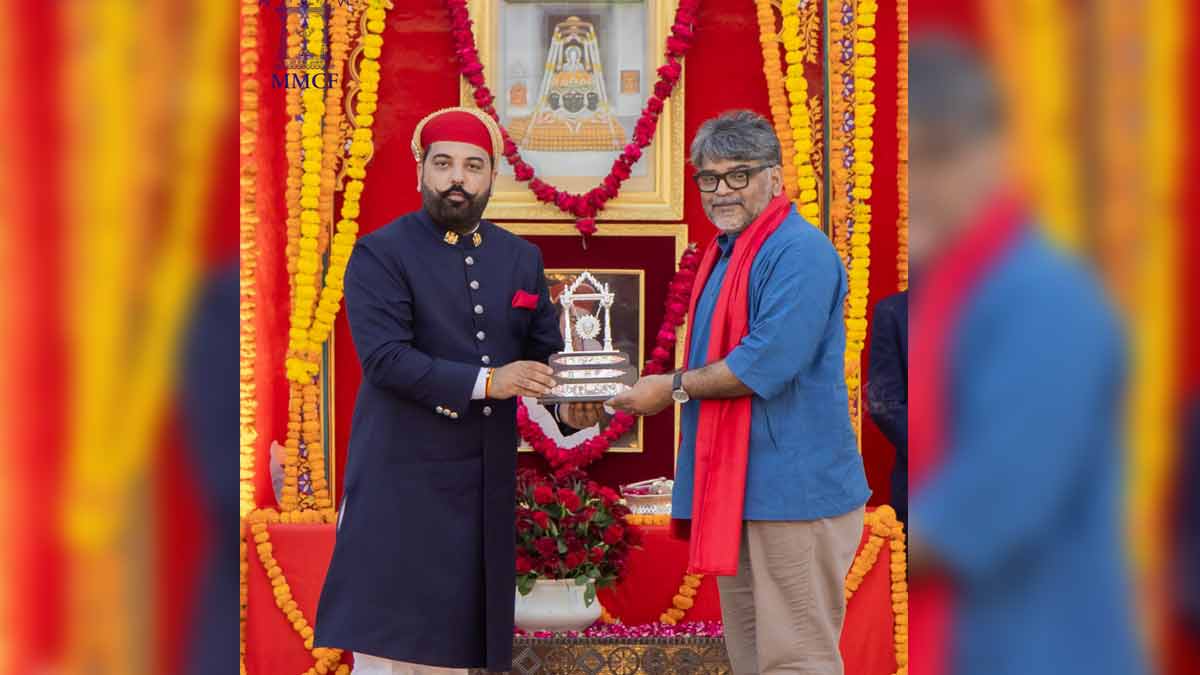
The Maharana of Mewar Charitable Foundation (MMCF) conferred its prestigious Haldi Ghati Award on Kamlesh Singh, a senior editor at the India Today Group, during a ceremony in Udaipur on 15 March 2026. The national award, instituted in 1981-82, recognises “work of permanent value that initiates an awakening in society through the medium of journalism.”
Singh, who leads several editorial initiatives including Aaj Tak Radio, the Teen Taal community and The Lallantop, was presented the honour by Lakshyaraj Singh Mewar, Managing Trustee of MMCF. The citation highlighted his three decades of contributions to Indian media, innovations in digital journalism, mentoring young reporters, and his popular podcast persona “Tau” on Teen Taal, which fosters thoughtful public discourse.
The Haldi Ghati Award, named after the historic Battle of Haldighati symbolising valour and resilience, is one of four national awards given annually by MMCF. Past recipients include Tavleen Singh, Piyush Pandey and Raj Chengappa.
Other honourees this year included Padma Vibhushan Pt Hari Prasad Chaurasia, Vedamurti Devvrat Rekhe, Treeman of India Marimuthu Yoganathan, Vir Chakra Capt Rizwan Malik, and US-based researcher Molly Emma Aitken, who received the Colonel James Tod Award for contributions to understanding Mewar’s spirit and values.
In an era where headlines often shout louder than substance, the MMCF quietly reminded everyone that real journalism isn’t about noise, it’s about the quiet, persistent work that stirs society awake, one thoughtful story at a time.







