I&B Ministry
Centre moves SC seeking transfer of pleas challenging IT rules

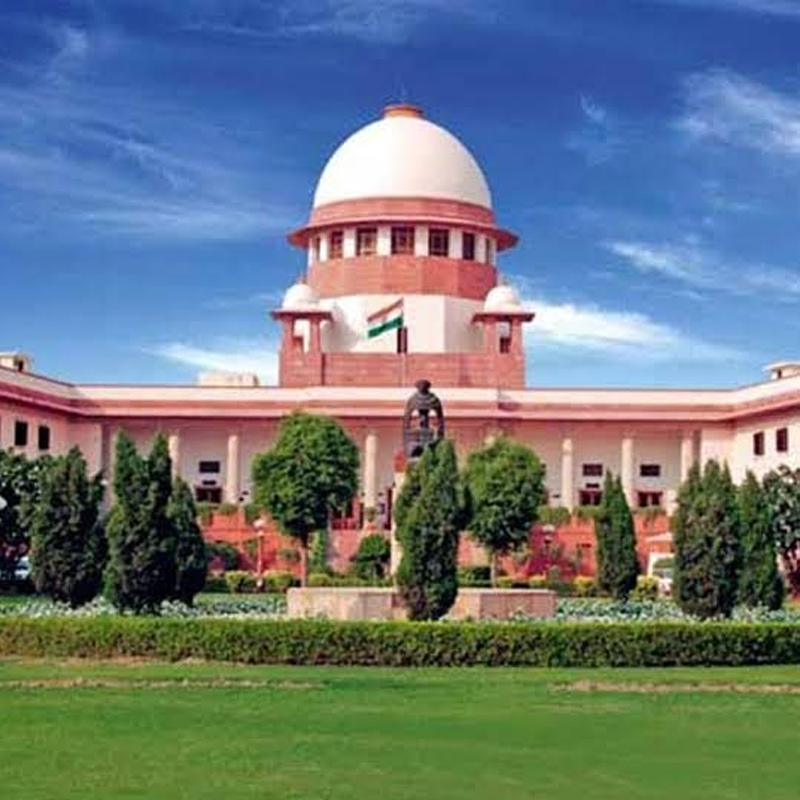
New Delhi: The Centre on Tuesday approached Supreme Court seeking transfer of all pending pleas challenging its new IT rules to the apex court.
Numerous petitions challenging the Information Technology (Intermediary Guidelines and Digital Media Ethics Code) Rules, 2021, are currently pending in various high courts across the country. The new rules notified on 25 February, came into effect on 26 May recommend a three-tier mechanism for the regulation of all online media.
While the government has maintained that the new rules were introduced to make social media platforms like Facebook, WhatsApp, Twitter and Instagram more accountable and responsible for the content hosted on their platform, many have challenged the new rules over issues of privacy. Several petitions are pending in several courts, including the Delhi high court.

In June, Digital News Publishers Association (DNPA) , composed of digital arms of 13 leading media companies of the country had moved high court against the rules, which it said ” violate the fundamental right of equality (Article 14) and freedom of speech and expression (Article 19(1)(a)”.
The Foundation of Independent Journalism (the non-profit company that publishes The Wire) and legal website, LiveLaw has also filed petitions against the new rules
Meanwhile, Delhi high court has directed Twitter to inform it by 8 July as to when it will appoint a resident grievance officer in compliance with the new IT Rules after the microblogging platform informed court that it was in the process of doing so.
The government had earlier announced that if significant social media intermediaries, those with more than 50 lakh registered users failed to comply with the new requirements by 25 May, they will lose their intermediary status. On Monday, the Centre, had filed an affidavit in the high court, stating that any non-compliance amounts to breach of provisions of IT Rules, leading to Twitter losing its immunity conferred under the IT Act.
Under the new rules, the digital publishers are required to take urgent steps for appointing a grievance officer, if not done, and place all relevant details in the public domain. “They also need to constitute self-regulatory bodies through mutual consultation so that the grievances are addressed at the level of publishers or the self-regulating bodies themselves,” according to the ministry.





I&B Ministry
Doordarshan, ICCR sign MoU to boost global reach of Indian culture
Pact taps TV, radio and digital platforms to take cultural content worldwide
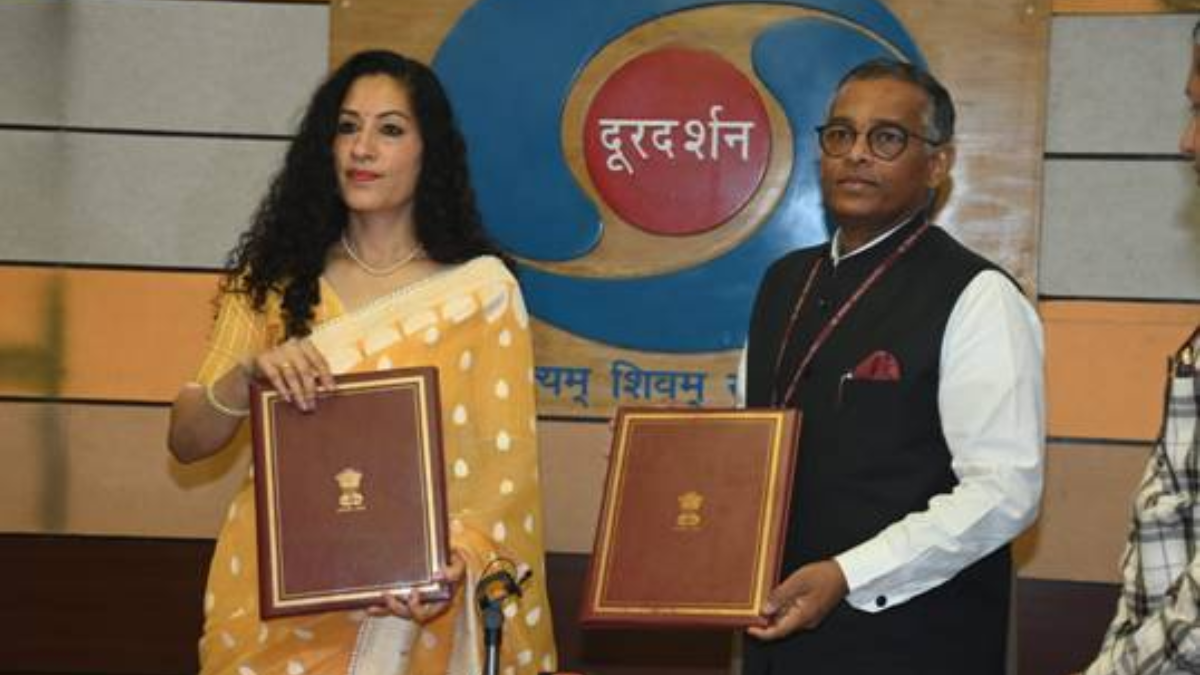
NEW DELHI: In a move aimed at taking India’s cultural story further across borders, Doordarshan under Prasar Bharati has signed a memorandum of understanding with the Indian Council for Cultural Relations to expand the global reach of Indian cultural content.
The agreement, signed on April 7 at Doordarshan Bhawan, brings together the content strength of ICCR and the wide broadcast network of Doordarshan, spanning television, radio and digital platforms.
Under the partnership, ICCR will provide a steady stream of cultural programming, including performances and events organised by Indian missions abroad such as embassies, consulates and cultural centres. Doordarshan will handle production, coverage and distribution, ensuring that these programmes find audiences not just in India but across the world.
The collaboration also opens the door for recorded cultural content from overseas missions to be aired across multiple platforms, including OTT and social media, making Indian art, music and heritage more accessible to global viewers.
A notable feature of the MoU is joint ownership of content rights in perpetuity, including digital rights. This allows both organisations to archive and reuse material over time, building a long-term cultural repository while maximising reach. Doordarshan will also support pre-event promotion and cross-platform visibility to drive engagement.
Speaking at the signing, Doordarshan director general K. Satish Nambudiripad and Indian Council for Cultural Relations director general K. Nandini Singla highlighted the potential of the partnership to strengthen India’s cultural diplomacy through modern media channels.
The agreement, initially valid for three years, also allows Doordarshan to explore monetisation opportunities from the content generated, adding a commercial layer to cultural broadcasting.
As India looks to blend tradition with technology, this partnership signals a clear intent to make its cultural voice not just heard, but seen and streamed across the globe.







