News Broadcasting
Catalysing transformation: Zee Media’s India eMobility Conclave sets the stage for a sustainable electric mobility landscape

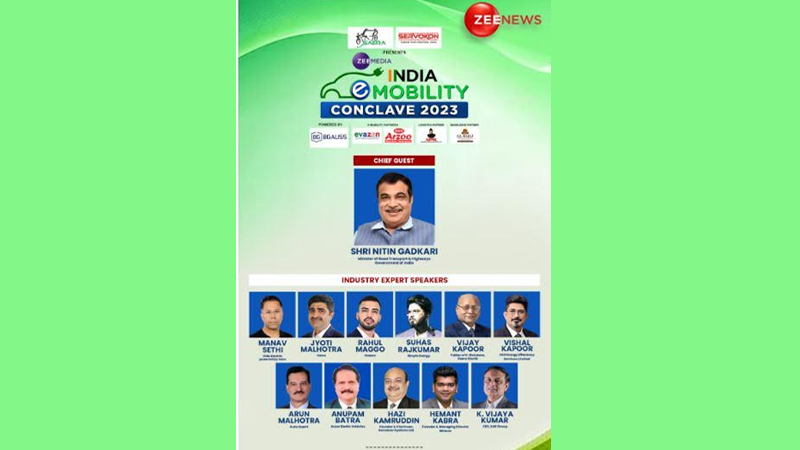
Mumbai: Zee Media successfully hosted the India eMobility Conclave, emerging as a catalyst for transformative change, setting the stage for a landscape defined by sustainable electric mobility. It primarily focused on boosting awareness on EVs, policy advocacy, technology advancement and sustainable mobility setting a remarkable precedent for fostering sustainable mobility solutions and propelling India toward a cleaner, greener, and electrifying future.
The India eMobility conclave began with a keynote address and an engaging fireside chat with Sh. Nitin Gadkari – Minister of Road Transport and Highways, Govt. of India, shed light on the myriad opportunities presented by India’s EV adoption journey. This conclave served as a dynamic platform engaging esteemed stakeholders from diverse sectors towards insightful discussions and collectively envisioning a future where electric mobility took centre stage. It also included a one-on-one discussion with the Guest of Honour – Sh. Kailash Gahlot – cabinet minister (Home, Law, Transport, IT and AR), on ‘Delhi’s tryst with EV adoption’. It also comprised of insightful series of captivating panel discussions that delved into key topics, like:
1. The Rise of E-scooters and E-bikes: This session emphasised on insightful discussion on how electric two-wheelers are transforming urban mobility in India, offering sustainable solutions to congestion and pollution.

2. Electrifying Horizons: Navigating the Road Ahead for Electric Vehicles – Visionaries navigated the road ahead for electric vehicles, delving into market dynamics, consumer adoption, and strategies to overcome challenges.
3. Powering Progress: Battery Innovations in the EV Revolution: It deep-dived into the latest battery technologies and innovations driving the EV revolution, emphasizing the critical role of batteries in shaping the future of transportation.
4. E-Mobility 360: Exploring the Holistic Impacts of Electric Transportation – An exploration of the holistic impacts of electric transportation, considering environmental, social, and economic dimensions.
Attendees gained a comprehensive understanding of the pivotal role EVs play in shaping a cleaner and greener future for transportation, providing a roadmap for policymakers to steer the nation toward an electric-powered future.
Speaking on the success of the grand conclave, Zee Media Corporation Ltd. CRO Mona Jain further said, “The India eMobility Conclave has transcended expectations, not only in terms of its success but also in the resonance it has found among stakeholders. This event has not only opened avenues for industry collaboration but has also showcased the immense revenue opportunities that lie within the realm of electric mobility. As we stride forward, we’re poised to unlock new horizons of growth and sustainability.”
Zee Media Corporation Ltd. CEO Abhay Ojha said, “The India eMobility Conclave stands as a pivotal milestone in our journey towards a sustainable future. The event’s success echoes the collective commitment of Zee Media towards shaping a transportation ecosystem that resonates with the needs of the present while safeguarding the planet for generations to come. By bringing together brilliant minds and fostering crucial conversations, we have ignited a transformation that will reshape the way we move.”
Powered by BGAUSS, the Zee Media India eMobility Conclave was presented by SAERA and SERVOKO, e-mobility partners were Evazon and Arzoo, logistic partner – APML and knowledge partner GL Bajaj. It forged an extraordinary benchmark, pioneering the path for sustainable mobility solutions and propelling India into the realm of a more immaculate, verdant, and electrifying future.




News Broadcasting
CNN-News18 to host Fury in the Gulf conclave on West Asia crisis
Three-hour summit to unpack geopolitical fallout and impact on India
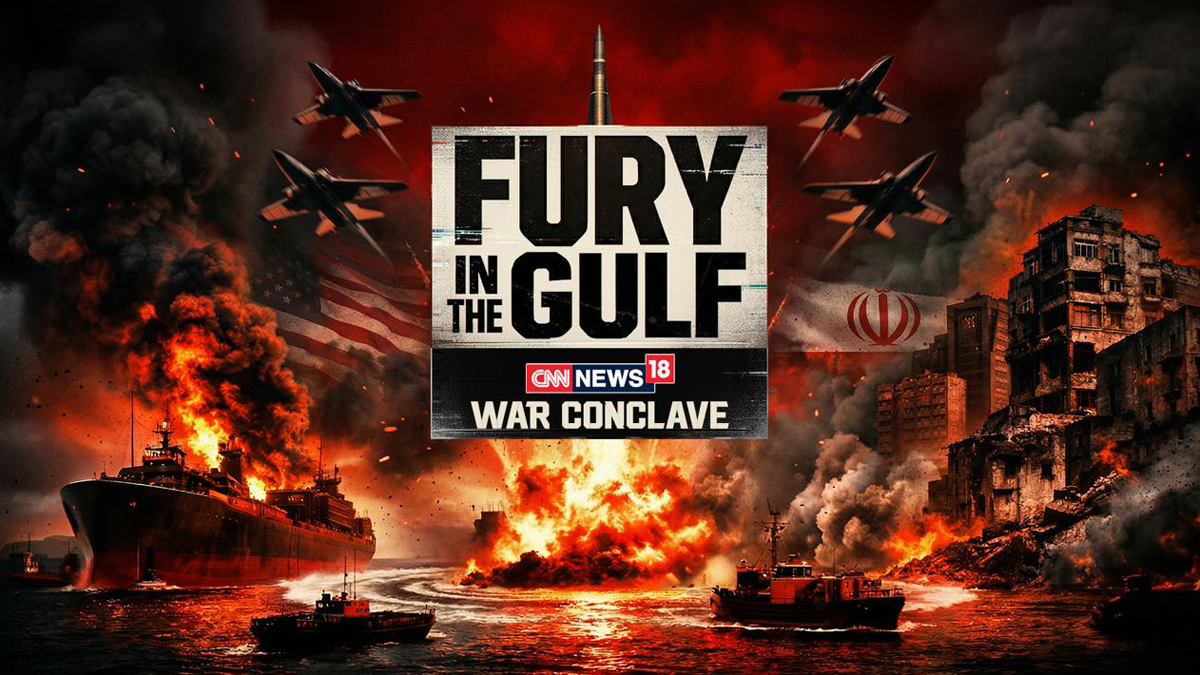
MUMBAI: CNN-News18 is set to host a special three-hour broadcast, Fury in the Gulf – War Conclave, on April 7, aiming to decode the escalating West Asia crisis and its far-reaching implications for India.
Scheduled from 4:00 PM to 7:00 PM, the conclave comes at a time when tensions between Iran and the United States are reshaping global geopolitics and triggering economic uncertainty. With India’s deep energy ties, trade links and large diaspora in the Gulf, the developments carry significant domestic relevance.
Built around the theme ‘Conflict, Consequences, and The Future,’ the programme will feature six curated sessions combining one-on-one interviews and panel discussions. The focus is to cut through the clutter and offer viewers a clearer understanding of the fast-evolving situation.
Key sessions include ‘Diplomacy in Times of War’ featuring Shashi Tharoor, and ‘World After the Iran Conflict’ with voices such as Ram Madhav, Reuven Azar, representatives from the European Union and the Iranian Deputy Envoy. Another session titled ‘Another Dunkirk?’ will bring together K. J. S. Dhillon and Jitin Prasada among others.
CNN-News18 editorial affairs director Rahul Shivshankar said, “In times of war, clarity becomes the most powerful tool. Fury in the Gulf – War Conclave brings together credible voices to address the questions and confusion that arise amid an overwhelming influx of information.”
He added that the initiative is aimed at delivering “facts, perspective, and insight” at a time when misinformation can easily cloud public understanding.
Echoing the sentiment, CNN-News18 CEO– English and business news Smriti Mehra said the conflict marks a defining global moment, with consequences that extend well beyond the region. She noted that the conclave seeks to present the crisis with “depth, nuance and responsibility” so audiences can better grasp its real-world impact.
As geopolitical tensions continue to dominate headlines, the conclave positions itself as an attempt to bring order to the noise, offering viewers a structured, insight-led look at a complex and rapidly shifting global situation.






