GECs
Campaigning on the web? Get a certification, says EC


NEW DELHI: The world has gone digital and so has the Indian political system. With more and more political parties using social media for election campaigns, the election commission (EC) has now directed the chief electoral officers of all states and union territories that details of the social media accounts of the candidates (besides the recognised political parties) who are contesting elections have to be communicated to the commission.
Candidates and political parties will now have to keep the EC posted about their social media accounts and websites used for campaigning, expenditure incurred for maintaining the sites and development of advertisement. Besides, the model code of conduct will also become applicable on the social media.

According to the commission, a candidate having an account on Facebook, Twitter, YouTube or even apps, has to update the commission with their email ids.
The EC has also stated that campaigning on the web will require pre-certification from competent authorities. No political advertisement can be released to any internet-based website, including social media sites without this pre-certification. This certificate is issued by the media certification and monitoring committees at the district and state level.
Not only this, candidates and political parties in the statement submitted to the EC have to include all expenditure incurred on advertisements on social media. This includes: payments made to internet companies and websites for carrying their advertisements, money paid for developing such content for the web, as well as salaries and wages paid to the workers employed to maintain the social media accounts.
The commission has also stated that the model code of conduct will be applicable to the content posted on the internet. However, the commission will consult the Communication and Information Technology Ministry on the content posted by persons other than the candidates and political parties.






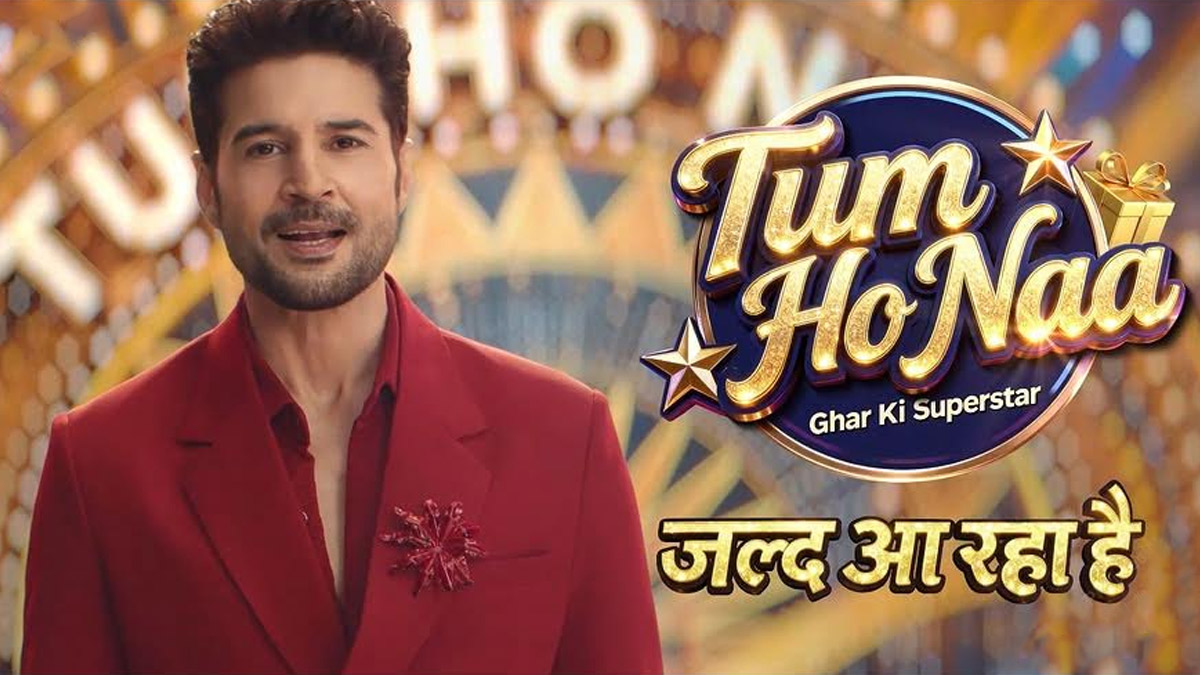
MUMBAI: Lights, camera… connection because this time, the game isn’t just about winning, it’s about who’s with you. Sony Pictures Networks India is gearing up to launch a new reality game show, Tum Ho Naa, expanding its unscripted slate with a format that promises both emotion and engagement.
The show will premiere soon on Sony Entertainment Television and stream on Sony LIV, with Rajeev Khandelwal stepping in as host. Known for his measured screen presence and selective choices, Khandelwal’s return to television adds a layer of familiarity and credibility to the upcoming format.
While specific details of the gameplay remain under wraps, the positioning suggests a reality format that leans as much on emotional resonance as it does on competition, an increasingly popular blend in Indian television, where audiences are gravitating towards content that offers both stakes and storytelling.
Khandelwal, reflecting on his return, noted that his choices have often been guided by instinct rather than convention, describing Tum Ho Naa as a project that feels “close to the heart”. His association also signals Sony’s continued focus on anchoring new formats with recognisable faces who bring both relatability and depth.
The launch comes at a time when broadcasters are doubling down on original non-fiction formats to drive appointment viewing, even as digital platforms expand parallel reach. By placing the show across both linear television and OTT, Sony appears to be aiming for a dual-audience strategy capturing traditional viewers while engaging digital-first consumers.
As the countdown to premiere begins, Tum Ho Naa positions itself not just as another game show, but as a reminder that sometimes, the biggest prize on screen isn’t the jackpot, it’s the journey shared along the way.






