Gaming
Call of Duty: Mobile goes gothic for Halloween with WWE crossover


MUMBAI: Nothing says Halloween quite like watching Undertaker suplex a zombie on a haunted Mexican estate at midnight. Welcome to Call of Duty: Mobile’s latest update.
Season 9—Midnight Rumble—launches today with a hefty serving of Halloween content, including the return of fan-favourite modes like Attack of the Undead and Hordepoint. The update introduces night mode on the Isolated map for the first time since 2020, forcing players to adjust their tactics in near-darkness. Hacienda returns as Haunted Hacienda, complete with ghost ships, jack-o’-lanterns and creatures lurking in the shadows.
The headline addition is a limited-time WWE collaboration that lets players fight as wrestling legends including Undertaker. Players start matches with boxing gloves and can transform into WWE operators on winning streaks, gaining enhanced health and signature finishing moves that work from any direction. It’s an unlikely crossover that signals the game’s confidence in experimenting beyond military realism.

The Halloween update kicks off a three-season arc dubbed Black & Gold that will run until the game’s sixth anniversary in Season 11. The campaign starts with Black, bringing back the most popular maps, modes, operators and weapons from the game’s history. Season 10 will flip to Gold with fresh content before the anniversary finale.
Beyond the WWE mode, players can earn free legendary weapons through seasonal events, including the FFAR—Shredder and RPD—Road Mongrel. The battle pass introduces the Sten submachine gun, widely used by British forces in the Second World War, alongside Halloween-themed operator skins like Ajax—Insanely Jacked and Seraph—Witch’s Holiday.
The store update includes a new Mythic weapon draw featuring the Type 25—Deepstar Piercer, two WWE-themed draws for Alexa Bliss and Undertaker, and returning Halloween weapon blueprints in a series armoury. Two previous battle passes—Graveyard Shift and Winter War—are also returning to the vault.
For a mobile game competing against console-quality shooters and battle royales, the strategy is clear: pile on the content, embrace the absurd, and keep players engaged with constant variety. Whether that approach sustains momentum through to the sixth anniversary remains to be seen, but Activision is betting that zombies and wrestlers make a winning combination.





Gaming
Konami concludes successful eFootball India campaign
Campaign featuring Rinku Singh, Varun Chakravarthy and other stars boosts engagement ahead of FIFA World Cup 2026.
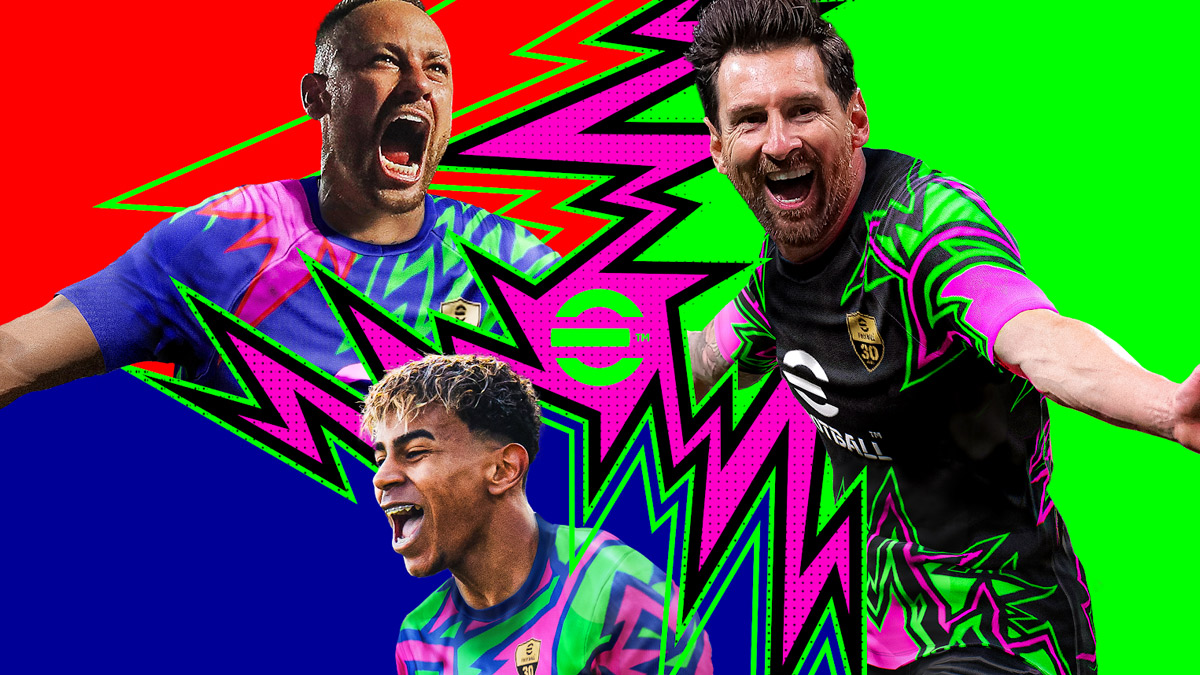
MUMBAI: When cricket meets football in the virtual world, even the biggest fans can’t help but score and Konami’s latest eFootball campaign in India has clearly hit the back of the net. Konami Digital Entertainment has successfully wrapped up its India campaign for eFootball, which brought together cricketers Rinku Singh and Varun Chakravarthy, actors Naslen Gafoor and Chandu Salim Kumar, and footballers Sahal Abdul Samad and Shubhasish Bose. The multi-star campaign generated strong excitement across gaming, football, and creator communities through social content, fan participation, and in-game engagement.
Building on the initial launch that featured a limited-time Lionel Messi card, the campaign united fan communities, lifestyle creators, football creators, and competitive eFootball influencers. It significantly expanded the game’s visibility and deepened engagement with fans across the country.
The campaign also saw thousands of entries submitted as part of its social media engagement challenge, reflecting high levels of community enthusiasm and active creator involvement.
Looking ahead, Konami plans to build on this momentum with more eFootball experiences for Indian fans as the FIFA World Cup 2026 approaches. With global attention on the tournament set to rise, India will remain a key market for deepening community engagement and bringing fans closer to the action.
In a country that lives and breathes sport, Konami has shown that mixing real-world stars with virtual thrills is a winning formula leaving fans eagerly waiting for the next goal.






