iWorld
BSE seeks & gets clarification on Eros Now-RelianceJio deal

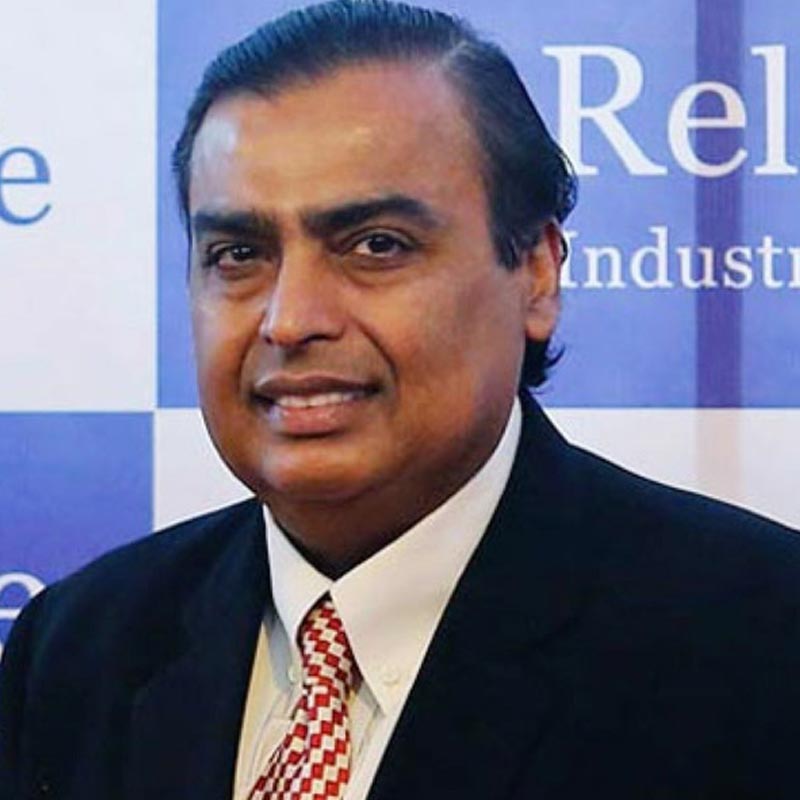
MUMBAI: The Bombay Stock Exchange (BSE), which had sought clarification from Eros International Media Ltd on a partnership with Reliance Jio, has been told that the deal pertains to US-based parent Eros International Plc and not the India-listed entity.
On 25 August, Eros International had announced a deal between its over-the -top (OTT) platform Eros Now and Mukesh Ambani-led Reliance Jio, which is slated to launch its telecom services soon offering subscribers high- speed broadband and other related services.
The Eros Now service with its huge library of Bollywood movies, including recent blockbusters such asBajrangi Bhaijaan, Bajirao Mastaani, Tanu Weds Manu Returns, Prem Ratan Dhan Payo, will power Jio’s on-demand entertainment offering.

The company in its announcement yesterday claimed the “game changing partnership” with Reliance Jio will allow consumers to access high quality Eros Now service within the Jio ecosystem. Jio will provide Eros Now with an opportunity to acquire new subscribers throughout urban and rural India, the company had stated.
Eros International group CEO and MD Jyoti Deshpande was quoted in an official statement as saying , “As a market leader in the film business, Eros has always strived to bring our users the best of Indian entertainment, offering them the same unified experience across screens and networks. Eros Now’s philosophy is to be platform agnostic and embrace the very best in technology as we continuously enhance our content offering. With the broadband and 4G stage set to explode, our alliance with Jio is part of our philosophy to provide consumers entertainment whenever and wherever they want it.”
Eros Now has over 44 million registered users across Web, WAP and APP globally and is available across 135 countries with a vast majority of users from India. Currently it’s focused on monetization and achieving a target of one million paying subscribers by the end of fiscal year 2017.
With a pricing of Rs. 49 ($0.73) per month for a streaming service and Rs. 99 ($1.47) per month, which has additional features such as offline viewing, high definition, subtitles and progressive viewing, the Eros Now service is competitively priced in India compared to other OTT services offering Indian language and international content, the company had claimed.







iWorld
OpenAI hits back at Elon Musk’s lawsuit ahead of trial
Company calls claims “baseless” and accuses Musk of trying to disrupt a rival.
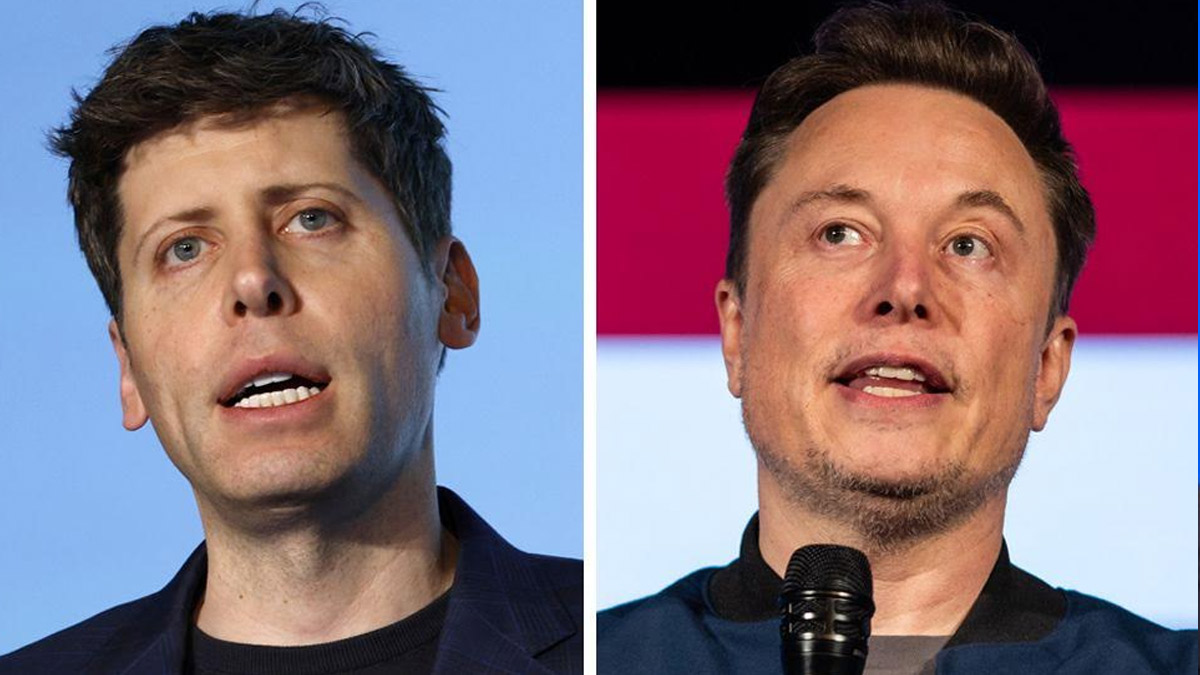
MUMBAI: When the stakes are measured in billions and egos are involved, even Silicon Valley titans can turn a courtroom into a battlefield. OpenAI has issued a sharp public response to Elon Musk’s ongoing lawsuit, accusing the billionaire of filing the case to harass a competitor rather than address genuine concerns. In a strongly worded statement shared on its official X account, OpenAI described Musk’s allegations as “baseless” and suggested the lawsuit is an attempt to disrupt the company as the case heads toward trial later this month in Oakland, California.
The response comes after Musk’s legal team recently amended the complaint, proposing that any damages potentially exceeding $150 billion should go to OpenAI’s nonprofit entity rather than to Musk personally. OpenAI questioned the timing and motive behind this change, calling it a late-stage attempt to “pretend to change his tune” on the nonprofit structure.
The company further labelled the lawsuit a “harassment campaign”, arguing that Musk’s actions are driven by personal rivalry, ego, and a desire for greater control and financial upside.
At the heart of the dispute is Musk’s claim that OpenAI has abandoned its original nonprofit mission of developing artificial intelligence for the benefit of humanity. A co-founder who left in 2018, Musk is seeking governance changes, including the removal of CEO Sam Altman from the nonprofit board, and the return of certain financial gains linked to Altman and President Greg Brockman.
OpenAI has firmly rejected these allegations, maintaining that its current hybrid structure, a public-benefit corporation overseen by a nonprofit parent remains true to its long-term goals. The company has also previously accused Musk of anti-competitive behaviour aimed at weakening its leadership.
As the case prepares for a jury trial, this public exchange highlights the deepening rift between two of the most influential figures in the AI revolution and raises broader questions about governance, mission, and power in the fast-moving world of artificial intelligence.
In the high-stakes game of AI, it seems the real drama isn’t just inside the models, it’s playing out in courtrooms too.






