Broadband
Broadband on cable fibre declining?

BENGALURU: Is broadband on cable fibre on the decline in India? Results over the past few quarters of some of the multisystem operators or MSOs seem to indicate just that. Mukesh Dhirubhai Ambani’s largest start up in the world Reliance Jio Infocom Ltd (JIO) is the one of the biggest upheavals that has happened in the Indian telecommunications ecosystem ever. With its operations of scale and low cost services, there just does not seem to be a better bet for the prudent Indian internet user. What is missing is quality of services, but, then that is the case also with all the major mobile and internet service providers in India, be it an Airtel or a Jio or a Vodafone or the public sector BSNL and MTNL.
Wired broadband internet subscriber numbers have been declining, while wireless broadband internet subscribers have been growing according to Telecom Regulatory Authority of India (Trai) data. Among the top five wired internet services providers in India, BSNL and MTNL have been slowly and steadily losing subscribers. However, the overall loss of wired broadband subscribers is higher than the numbers bled by these two public sector behemoths. Subscription numbers of the other three players in Trai’s top five wired broadband internet service providers list such as Bharti Airtel, ACT and Hathway have been either increasing slowly or have been steady month-on-month in calendar year 2018 according to Trai data. MSOs and LCOs are among the other wired internet service providers in the country. Financial numbers released by major and other MSO and wired internet service providers such as Siti Networks, Den or Ortel indicate lower revenues from their respective broadband segments, implying either loss of subscribers or lower ARPU due to competitive pricing or both.
Is the laying of fibre cable or FTTH (fibre to the home) that Jio has planned to provide broadband internet services to the doorstep out the right way forward? Anything that Reliance does will be on a huge scale. However, why not pause and limit the size of Jio’s FTTH plans and then leapfrog and start offering 5G services? 5G is a wireless service to the user’s door and needs no messy holes or wires for access into the user’s home. All that is needed by the user is a modem that works like a wireless modem.

Affordable 5G services could effectively change how a user receives internet and related services. It’s not going to be easy and will require a huge amount of capital for the infrastructure for line of sight transmission in crowded cities, etc. But, already players such as AT&T and Verizon in the US have planned a slow but steady rollout of 5G services in the US. One the US majors will roll 5G services first in four cities by the end of 2018 and then across the US over time. Players in the US are planning to bundle 5G services with offers such as free Youtube.com TV and Apple TV 4K for a limited period of time. Jio has the resources, the wherewithal to do so.
Of course 5G could be even more bad news for the current Indian cable TV ecosystem’s wired broadband offerings, maybe even the current Indian media and entertainment ecosystem, but could be a huge beneficial and cost effective game changer for the user. Using the cliché, change is the only constant, well maybe the entire ecosystem that brings entertainment to the common Indian does need a huge shakeup?






Broadband
ACT Fibernet elevates Aditya Singh to chief customer experience officer
Former senior vp to drive service, retention and delivery revamp
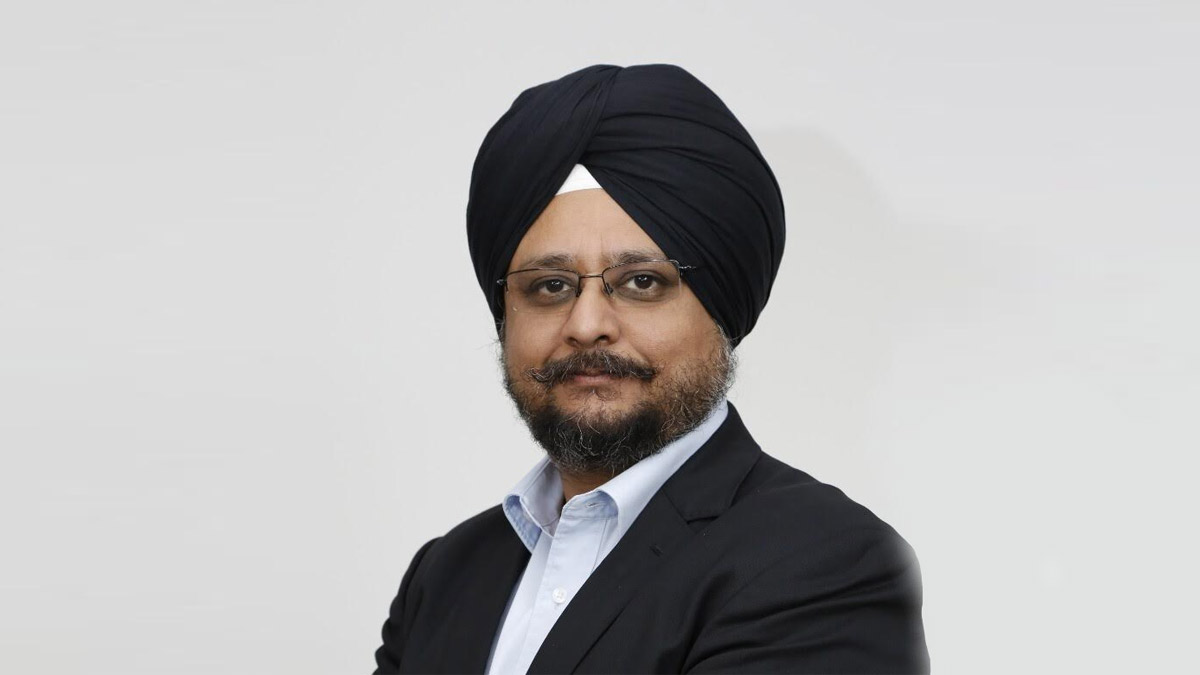
BENGALURU: ACT Fibernet has elevated Aditya Singh to chief customer experience officer, effective 1 January, 2026, as the broadband provider seeks to tighten its grip on service quality in an increasingly competitive market.
Singh, who previously served as senior vice-president – customer experience and loyalty at group level, will now join the executive committee and lead the company’s end-to-end customer transformation agenda.
The move gives him oversight of customer service, customer retention and service delivery, alongside a broader mandate to strengthen network resilience and field operations. The company said the reshuffle underlines its intent to deliver a “consistent, seamless and superior” experience to its 2.3m subscribers across more than 30 cities.
Headquartered in Bengaluru, ACT Fibernet, the consumer-facing brand of Atria Convergence Technologies Limited, is one of India’s largest wired internet service providers. It has built its pitch on high-speed connectivity and responsive customer support, at a time when fibre roll-outs and price wars are redrawing the broadband map.
In a statement, Singh said he was “deeply honoured” to take on the expanded brief and join the executive committee as the company sharpens its focus on simplifying customer touchpoints and turning subscribers into brand advocates.
The elevation signals a clear priority: in a crowded fibre market, customer experience is fast becoming the decisive battleground.






