iWorld
Branded content drives Viu

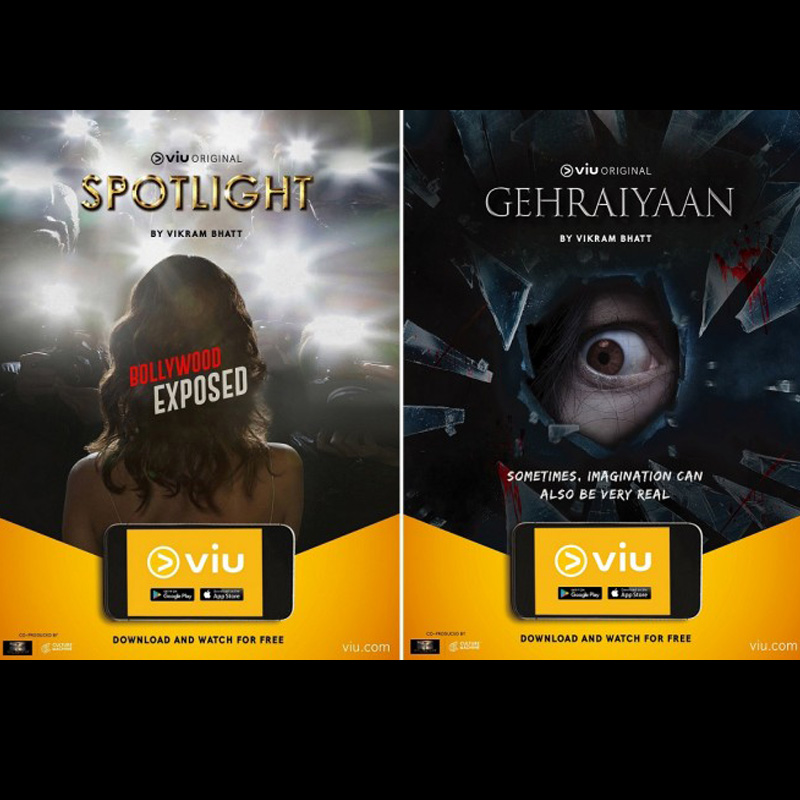
MUMBAI: Within two years of launch, over-the-top (OTT) service Viu has created a unique value proposition of fresh and localised regional and local premium TV shows, movies and originals for its consumers every day.
While digital shows are becoming increasingly popular among the masses, brand marketers are exploring innovative ways in which they can garner interest for their brand by strategically incorporating branded content. In 2017, a number of brands jumped on to the AFP bandwagon, making it a wonderful year for branded content.
Viu India head monetisation & distribution Sameer Gogate said, “Our constant focus is to ensure that there is a strong story, and content becomes the hero along with seamless integration of the brand. We have been able to make content a surrogate for advertising, and we believe this model is here to stay. McDowells No.1 Yaari and Nicotex presents I Can You Can were win-win AFP partnerships which saw the delivery of great original content by integrating the essence of the partner brands in a creative and frictionless way. It reinforced our belief in AFP being a viable revenue stream as part of our overall monetisation model. I think it sets the tone for us to explore more such successful branded content partnerships in the coming year.”

Viu India country manager Vishal Maheshwari said, “Our strategy is deeply anchored in technology and consumer insights. Research affirms that regional content on OTT will command close to 30 per cent of the overall share in the years to come. Indian language internet users will drive the next phase of internet adoption in India. This new generation of users will come on board from tier 2 and tier 3 cities and with this potential increase in consumer base, there will be an immense demand for intriguing regional content. With Viu, we have always been about global expertise and local execution and that’s why we are focused on entertaining this new generation with content in languages with which they are familiar.”
Year 2017 was full of colors for Viu. It launched the first bilingual digital show in Hindi and Telugu – Social. It started with cricket comedy chat shows like What the Duck and Virender Sehwag’s micro-original Viru ke Funde, which has now evolved to a roster of nearly 12 premium shows and more in the pipeline (a combination of long form and short form). It tied up with Vikram Bhatt for multiple long form shows in Hindi such as Gehraiyaan and Spotlight. Spotlight 2 and Memories are also in the pipeline, which have roped in best talents for the show. In association with Annapurna Studios, the platform launched two long form shows titled Pill-A and Pelli Gola. Viu is catering to the growing demand for regional content by creating intriguing and contemporary digital shows such as No 1 Yaari and Munching with Mahathalli.
A key strength of Viu’s global strategy is to form strong partnerships, whether they be Samsung, Micromax, Vikram Bhatt’s Loneranger Productions or Annapurna Studios. Content house Shemaroo Entertainment has inked a licensing deal with Viu. Through this deal, a handpicked catalogue of Shemaroo’s full length Hindi movies can be accessed by its subscribers.
Viu’s primary focus for the year 2018 is ramping up content library by three times. The OTT platform is planning to foray in the Tamil market by associating with content creators. Similar to the expansion plans in India, Viu will also be expanding its content base internationally. It is planning to launch multiple bilingual shows as the next step and additionally looking to explore other regions as well. This year, Viu will be launching Spotlight 2, Memories, Trysexual (yet to be titled), Kaushiki, Unafraid and many more small and big format web series.
Today Viu reaches more than 26 million total monthly active users across markets with 3,000 hours of compelling original content in Asia.
As of October 2017, its India downloads were 9.5 million. Its monthly active users graph goes up to six million and the global average hours per user for the month was 14 hours whereas in India the average hours per user was 34.5 hours. However, the reach of Viu is wide globally, which reached to 150 million video views, whereas total video views in India was 18 million.
Also Read :
Regional OTT content more than just catch-up TV
Viu brings best of korean shows to india
Viu’s unique Asian content attracts six million active users, claims 50% growth in four months







iWorld
Parineeti Chopra hosts new parenting series Mom Talks on Zee5 and Bullet
Celebrity parents share honest stories in 9-episode show launching 4 April 2026.
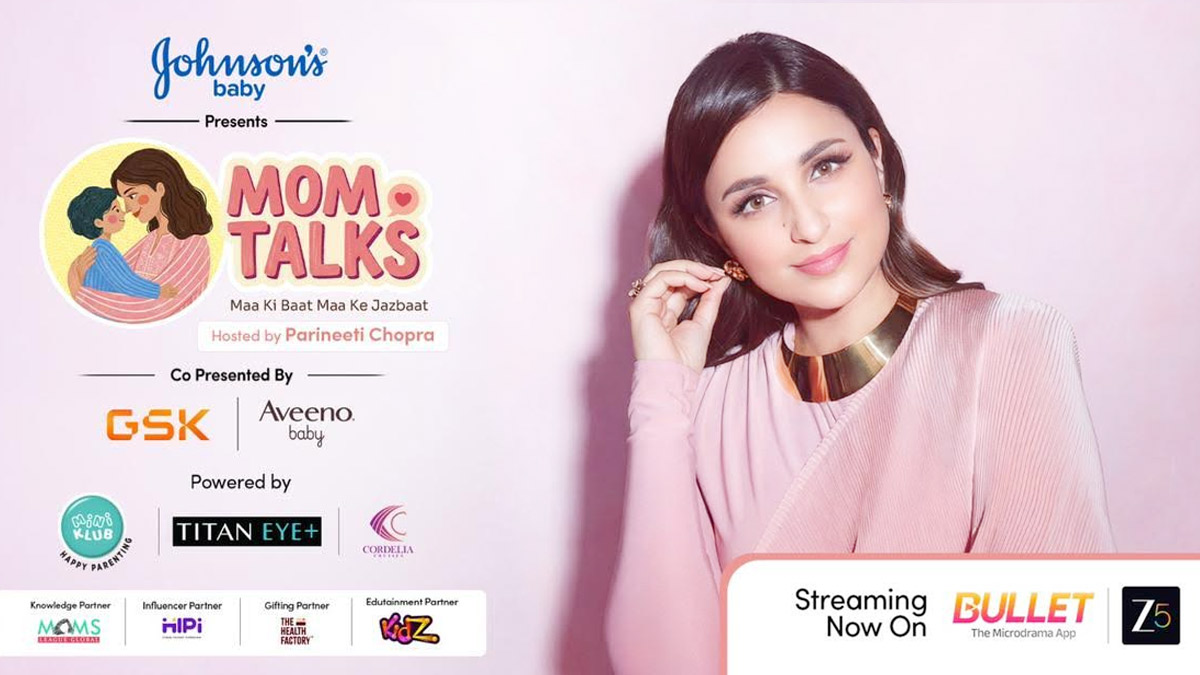
MUMBAI: Parineeti Chopra is stepping into a brand-new role not on the big screen, but as the warm, relatable host helping parents navigate the beautiful chaos of raising children. Bullet microdrama and Zee5 have announced the launch of Mom Talks, a fresh content-led IP hosted by the popular actress. The 9-episode series brings together celebrity parents including Imran Khan, Neha Dhupia, Vikrant Massey & Sheetal, and Gauahar Khan & Zaid Darbar to share candid, real-life perspectives on everyday parenting.
Positioned as a high-engagement format, Mom Talks taps into the growing demand for authentic and credible parenting content. It also offers seamless, contextual integration opportunities for brands. The series is backed by a strong lineup of partners including Johnson’s Baby, GSK, Aveeno Baby, Mini Klub, Titan Eye+ and Cordelia Cruises.
Bullet microdrama app, co-founder & chief business officer Azim Lalani said the show exemplifies how content is evolving towards more rooted, sustained engagement. “It’s about bringing content that people come back to, while creating a natural space for brands to be part of the narrative,” he noted.
Mom Talks creator Bullet head of AVOD & partnerships Munaf Merchant explained the core idea, “We wanted to build a safe, honest, one-stop destination for parents seeking real answers to everyday questions.”
The first episodes will stream for free on ee5 AVOD starting 4 April 2026, with new episodes dropping every Friday and Saturday. The series will also be available on the Bullet microdrama app.
Speaking about their association, Peeyush Unikkat from Johnson’s Baby highlighted the brand’s focus on supporting modern parenting journeys, while Aakash Mehta from GSK emphasised the show’s role in making important health conversations more relatable for new parents.
In a digital space often filled with filtered perfection, Mom Talks promises something refreshingly real honest conversations, celebrity insights, and practical wisdom, all wrapped in Parineeti Chopra’s engaging presence. For Indian parents, this could be the parenting series they’ve been waiting to binge.






