Applications
Boxee co-founder Avner Ronen to keynote Nab


MUMBAI: Boxee CEO, co-founder Avner Ronen, will speak at the upcoming 2013 National Association of Broadcasters (Nab) Show, the annual conference and expo for professionals who create, manage and distribute entertainment across all platforms.
Ronen will deliver the keynote address to the Disruptive Media Conference on 10 April in Las Vegas.
The idea for Boxee was born in 2004 when Ronen and four friends began using Xbox Media Center, open source software for the original Xbox that allowed people to play digital media on their TVs. They became members of XBMC‘s open source community and in 2007 imagined a way to take the platform even further, founding Boxee.

Ronen and a team of 11 others worked to extend the base code for XBMC with online sources like Netflix and YouTube as well as incorporate social networking into Boxee, which became available as a free software for users to download and run on a home theater PC. Since then, Boxee has released two branded consumer electronic devices dedicated to running the Boxee software. Currently, with Boxee‘s newest device, Boxee TV, the company has introduced the world‘s first unlimited cloud DVR, blending live TV integration with over-the-top streaming services.
Named one of Rolling Stone‘s Top Agents of Change, Ronen is “the Internet generation‘s everyman”, striving to make personalised, Internet-delivered TV a reality and bringing video from everywhere, to any device, at any time.
Prior to co-founding Boxee, Ronen was the head of Corporate Development and M&A for Comverse, a provider of software and service to telecom service providers. Ronen was responsible for acquisitions valued at $450 million, which were key to the company‘s evolution from a voicemail company to a billing and VAS provider.
The Disruptive Media Conference, produced in partnership with Digital Media Wire, gathers professionals who oversee the digital and interactive divisions within their companies to explore developments in online video, mobile and branded entertainment. The two half-day programs, April 10-11, cover disruptive media as well as more traditional OTT technologies and how these are impacting business models for distribution and consumer engagement. The conference is sponsored by Adobe Primetime, Cypress and Telx.







Applications
With 57 per cent single new users, Ashley Madison rebrands as discreet dating platform
Platform says majority of new members now identify as single
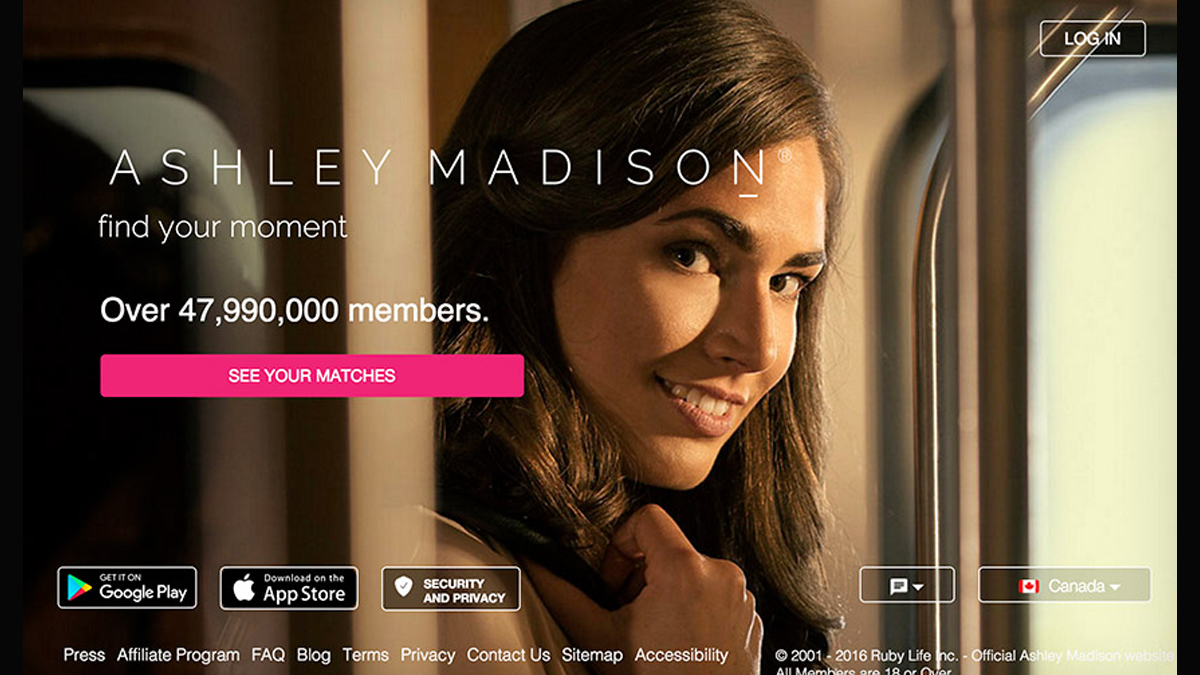
INDIA: Ashley Madison is shedding the “married-dating” label that defined it for two decades, repositioning itself as a platform for discreet dating in what it calls the post-social media age.
The rebrand, unveiled in India on 27 February, 2026, marks a structural shift in business model and identity. Once synonymous with married dating, the company now describes itself as the “premier destination for discreet dating” under a new tagline: Where Desire Meets Discretion.
The pivot is data-driven. Internal figures show that 57 per cent of global sign-ups between 1 January and 31 December, 2025 identified as single: a notable departure from the platform’s married core. The company argues that its community has already evolved beyond its original positioning.
“In an age where our lives have been constantly put on public display, privacy has become the new luxury,” said Ashley Madison chief strategy officer Paul Keable. He framed the platform’s offering as “ethical discretion” for singles, separated, divorced and non-monogamous users seeking private connections.
The shift also taps into wider digital fatigue. A global survey conducted by YouGov for Ashley Madison, covering 13,071 adults across Australia, Brazil, Canada, Germany, India, Italy, Mexico, Spain, Switzerland, the UK and the US, found mounting discomfort with hyper-public online lives.
Among dating app users, 30 per cent cited constant swiping and messaging as a source of fatigue, while 24 per cent pointed to pressure to curate public-facing profiles and early personal disclosure. Some 27 per cent said fears of screenshots or information being shared contributed to exhaustion; an equal share cited unwanted attention.
The retreat from oversharing appears broader. According to the survey, 46 per cent of adults actively try to keep most aspects of their life private online. Only 8 per cent feel comfortable sharing most aspects publicly, while 35 per cent say they are becoming more selective about what they disclose.
Ashley Madison is betting that this cultural recalibration towards controlled visibility can be monetised. By doubling down on privacy infrastructure and reframing itself around discretion rather than infidelity, the company is attempting to convert reputational baggage into a premium proposition.