Hindi
Box office pops the corn as 2025 cracks Rs 13,000 crore club


MUMBAI: Popcorn flew off the shelves and the tills rang louder than ever in 2025, as Indian cinema delivered its biggest box-office performance on record. According to The Ormax Box Office Report: 2025, the industry clocked a staggering gross of Rs 13,395 crore, becoming the first year to cross the Rs 13,000 crore milestone and comfortably overtaking the previous high of Rs 12,226 crore set in 2023
At the heart of the record run was Dhurandhar, which emerged as the year’s top grosser with Rs 950 crore, rewriting history as the highest-grossing Hindi film of all time. Overall, 37 films crossed the Rs 100 crore mark in 2025, a sharp jump from 22 in 2024, underlining the growing skew towards big-ticket successes
Hindi cinema had a year to remember, posting its best-ever collections of Rs 5,504 crore, up 18 per cent year-on-year. Notably, 93 per cent of Hindi box-office revenue came from original Hindi films, with reliance on dubbed South titles dropping steeply from 31 per cent in 2024 to just 7 per cent in 2025. While Telugu and Malayalam held steady, Kannada cinema stood out with strong growth, even as the combined share of the four South languages eased from 48 per cent to 44 per cent.

International films staged a striking comeback, registering 49 per cent growth to deliver their highest-grossing year in India since the pandemic and the second-best ever after 2019. Their share of the total box office touched double digits for the first time since 2022, signalling renewed audience appetite for global tentpoles.
Yet, the boom came with a caveat. Footfalls slipped 6 per cent to 83.2 crore, highlighting the industry’s growing dependence on higher ticket prices. The average ticket price surged 20 per cent, from Rs 134 to Rs 161, its sharpest rise in four years, driven by premium Hindi and international films and higher pricing for South Indian tentpoles.
The Ormax Box Office Report-2025 Taken together, 2025 paints a picture of a box office powered less by crowds and more by scale, pricing and a handful of breakout hits. As Ormax’s data shows, the money is flowing faster than ever even if fewer feet are walking into cinemas, setting up a fascinating new equation for Indian theatrical cinema going forward.




Hindi
MIFF 2026 to return to Mumbai; film entries open till April 12
19th edition to host WAVES Doc Bazaar, spotlighting global documentary talent
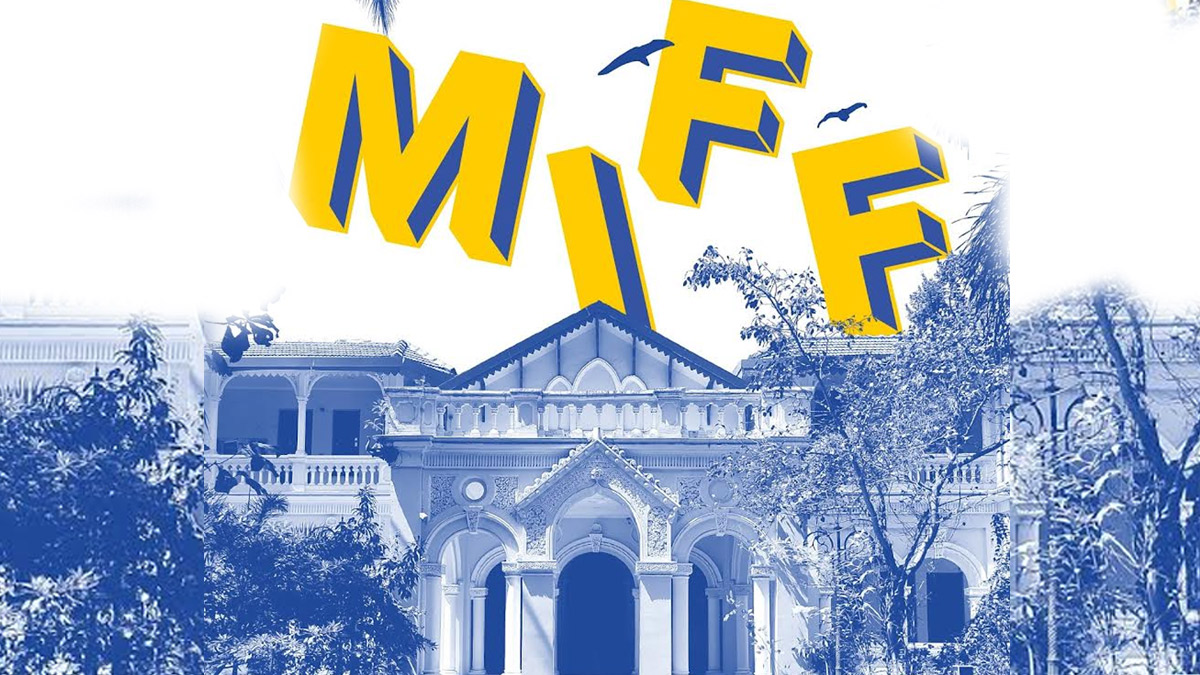
MUMBAI: The 19th edition of the Mumbai International Film Festival 2026 is set to take place from June 15 to 21 at the NFDC Complex, with film submissions currently open and the deadline fast approaching on April 12.
Organised by the National Film Development Corporation under the Ministry of Information and Broadcasting, the biennial festival remains one of South Asia’s most prominent platforms for documentary, short fiction and animation films.
Filmmakers, producers and content creators from across the globe have been invited to submit entries via the Film Freeway platform for the Competition Section. Offline submissions will not be accepted, reinforcing a fully digital entry process.
MIFF 2026 continues to sweeten the deal with a robust awards pool of Rs 55 lakh. The coveted Golden Conch for Best Documentary carries a top prize of Rs 10 lakh, alongside multiple awards across categories, making it one of the most lucrative non-feature film festivals in the region.
A key highlight this year will be the second edition of the WAVES Doc Bazaar, scheduled from June 16 to 18 alongside the festival. Designed as a hub for collaboration, the Doc Bazaar will feature a co-production market, viewing rooms and a work-in-progress lab, bringing together global buyers, sellers and creators under one roof.
Since its inception in 1990, MIFF has built a reputation as a serious showcase for non-feature cinema, drawing participation from filmmakers worldwide. The previous edition saw over 350 films from more than 30 countries, underlining its growing international footprint.
With submissions closing soon and preparations underway, MIFF 2026 is shaping up to be a vibrant meeting point for storytelling, collaboration and cinematic craft, offering filmmakers both a stage and a springboard.







