High Court
Bombay HC stays parts of new IT rules

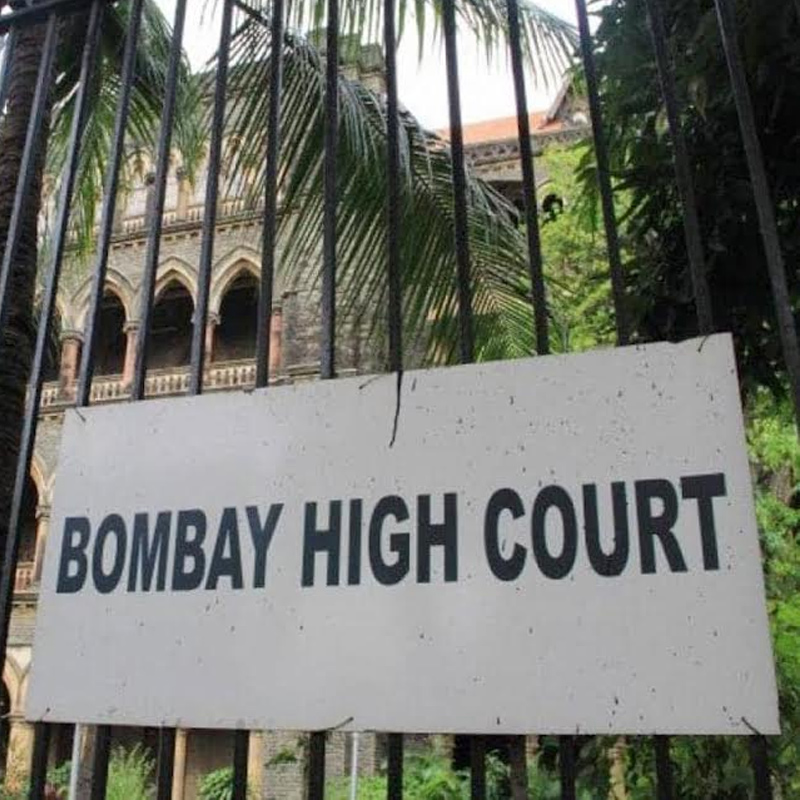
New Delhi: The Bombay high court has granted an interim stay to the implementation of parts of the Information Technology (IT) Rules, 2021 which require that all online publishers follow a “code of ethics” and norms of conduct.
According to the court, “prima facie” (on the face of it), sub-clauses 1 and 3 of clause 9 of the Intermediary Guidelines and Digital Media Ethics Code Rules, 2021 violated the petitioners’ constitutional right to freedom of speech and expression under Article 19. Provisions of clause 9 also went beyond the scope of the substantive law (the Information Technology Act of 2000), it added further, according to PTI.
The court was hearing two petitions filed by digital news portal `The Leaflet’ and journalist Nikhil Wagle which had challenged the new regulations notified by the government in February this year. According to the petitions, the new rules are “vague”, “draconian”, and bound to have a “chilling effect” on the freedom of press and right to free speech guaranteed by the Constitution. The petitioners had also contended that the rules “go beyond the parameters set by the Information Technology Act and limits set under Article 19 of the Constitution”, and sought an interim stay on the implementation of the new IT Rules till the court gives its final decision in the matter.

Meanwhile, the high court has refused to stay clause 14 that pertains to the setting up of an inter-ministerial committee with powers to regulate online content and deal with grievances and breach of rules, and clause 16 which is about blocking of online content in case of an emergency.
The Information Technology (Intermediary Guidelines and Digital Ethics Code) Rules, 2021 seek to regulate dissemination and publication of content in cyber space, including social media platforms. The rules notified in February, also recommend a three-tier mechanism for the regulation of all online media. Under the rules, the digital publishers are required to take urgent steps for appointing a grievance officer, if not done, and place all relevant details in the public domain. They also need to constitute self-regulatory bodies through mutual consultation so that the grievances are addressed at the level of publishers or the self-regulating bodies themselves.
It is significant to note that similar petitions opposing the new rules have been filed in high courts across the country.






High Court
Delhi HC blocks illegal IPL 2026 streams, backs JioStar rights
Court orders swift takedowns, expands crackdown on piracy apps
NEW DELHI: In a timely move ahead of the cricketing season, the Delhi High Court has granted interim relief to JioStar India Private Limited, clamping down on illegal streaming of the TATA Indian Premier League 2026.
The court passed ex parte ad interim injunctions in two separate suits, restraining rogue websites and mobile applications from broadcasting IPL matches without authorisation. The tournament is set to begin on 28 March, making the timing of the order particularly significant.
Recognising JioStar’s exclusive digital and broadcast rights for the IPL cycle from 2023 to 2027, the court observed that unauthorised streaming would infringe its statutory and proprietary rights, potentially causing irreparable losses.
In one case, the court directed several identified websites to immediately stop hosting or streaming IPL content. It also issued a dynamic injunction, allowing JioStar to flag new infringing platforms in real time, which must then be blocked swiftly by domain registrars and internet service providers.
In a parallel order, the court turned its attention to piracy through mobile apps, particularly Android-based platforms distributing content via APK files. A broader dynamic+ injunction was granted, extending to future variants, mirror links and related interfaces, signalling a tougher stance on evolving piracy tactics.
The court also directed domain name registrars to suspend offending domains and share registrant details, including KYC and payment information. Internet service providers and telecom operators have been instructed to block access within strict timelines, in some instances within 36 hours. Both the Department of Telecommunications and the Ministry of Electronics and Information Technology have been asked to facilitate enforcement through necessary notifications.
Noting the fast-changing nature of digital piracy, the court emphasised the need for real-time enforcement tools to keep pace with anonymous and constantly shifting networks. It also underlined the commercial impact of piracy on legitimate rights holders.
The ruling reinforces the judiciary’s firm stance on protecting intellectual property in the digital age. For viewers, it is a reminder to stick to official platforms as the IPL season kicks off under tighter watch.







