iWorld
Bobbles DTH/OTT offers top Indian TV channels in Europe

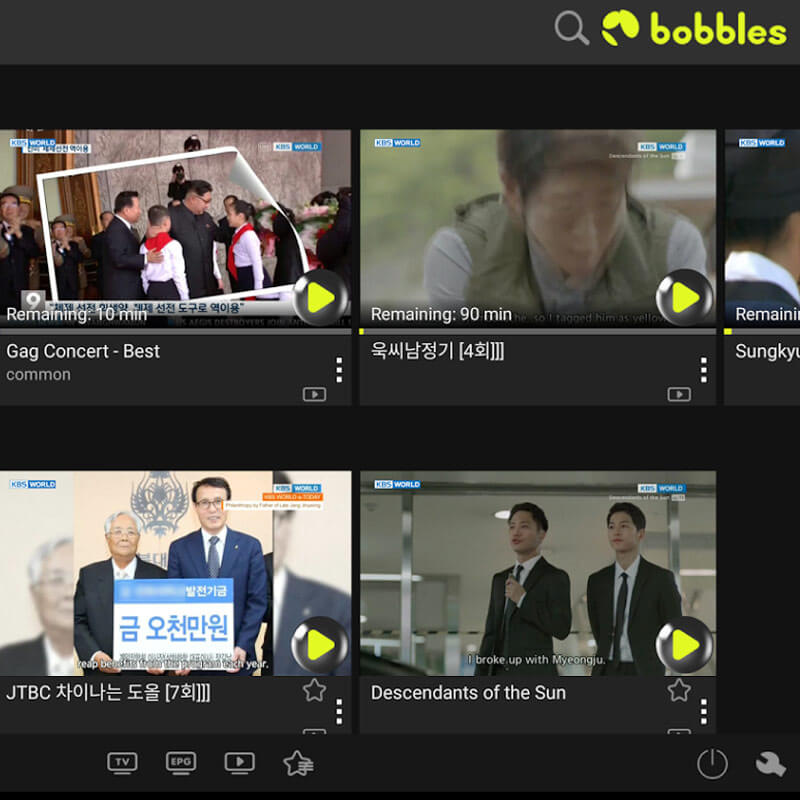
MUMBAI: Bobbles.tv, the German provider of pay-TV packages for expats in Europe, has launched an entertainment platform for Indian viewers. The platform currently offers 16 TV channels from both, Hindi and English languages.
It includes Bollywood blockbuster channels B4U Movies, B4U Music, Star Gold, Sony Max, Zoom as well as news channels NDTV India, NDTV 24×7, Times Now and Aaj Tak. Colors, Star Plus, NDTV Good Times, NDTV Spice, Sony Entertainment Television (SET), Sony Sab, Life Ok and Rishtey Europe will deliver general entertainment, comedy, drama, lifestyle, reality TV and made-for-TV movies.
Bubbles Media CEO Arnold C. Kulbatzki is very optimistic with this offering. He said that as many as 1.5 million Indian people living in mainland Europe now have a convenient way to receive their favourite TV shows from home, via satellite or OTT, live or on catch-up.

Launched in August 2016, bobbles.tv distributes channels from around the globe, aiming to reach a potential audience of around 14 million people originating from Asia, Latin America and Africa, but currently living and working in Europe.
In addition to its new offering for Indian viewers, bobbles.tv also delivers programming to Chinese, Indonesian and Vietnamese expat communities, with further language packages to follow.
The DTH platform is available in Europe via Astra. Supported by MX1, the technical services subsidiary of Astra satellite operator SES, it also offers an OTT service for online viewing through connected TV sets or mobile devices.




Gaming
Nodwin Gaming partners with Runestone for esports data and integrity solutions
South Asian esports leader joins forces with Czech tech firm to enhance tournament operations.
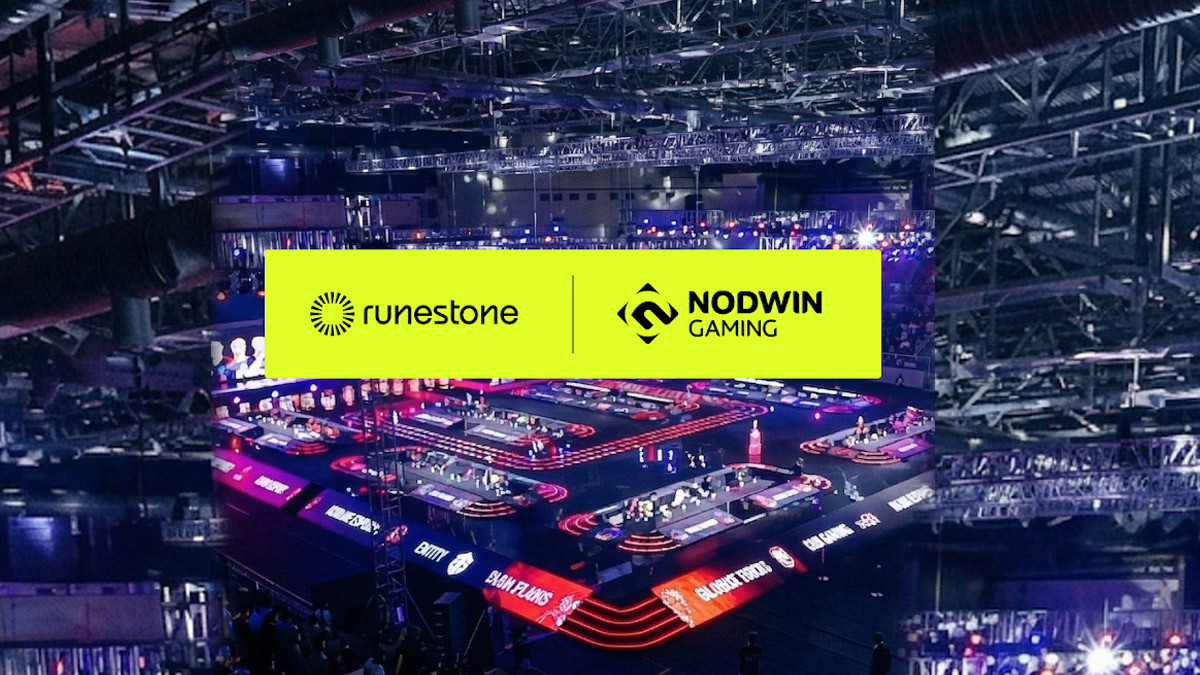
MUMBAI: Nodwin Gaming has just levelled up its game by bringing in a specialist to keep the scoreboard honest and the fans fully engaged. The leading South Asian esports and gaming company has announced a strategic partnership with Runestone, a Prague-headquartered esports technology firm specialising in real-time data and engagement solutions for tournament organisers and publishers.
The collaboration aims to strengthen competitive integrity, improve operational oversight, and deliver more interactive viewing experiences across Nodwin’s properties. It will initially focus on the Nodwin Clutch Series for Counter-Strike 2, a Tier 2 tournament that provides emerging teams with consistent competitive opportunities and helps build the talent pipeline.
The latest edition of the series recently concluded with Big defeating ECSTATIC 2–1 in the grand final of the $50,000 online event.
Nodwin Gaming chief business officer at MENA and global head of data monetization Teemu Koski said, “Integrity and transparency are fundamental to sustainable esports ecosystems, especially in Tier 2 competition where the next generation of talent emerges. Runestone’s expertise complements our experience in building scalable esports IPs.”
Runestone head of partnerships Michael Schwartz added, “Nodwin Gaming has built one of the most dynamic esports ecosystems across emerging markets. We’re thrilled to collaborate on supporting tournaments with greater transparency, deeper fan interaction, and scalable tools.”
Both companies are exploring opportunities to extend the partnership across additional titles, including mobile-first competitive ecosystems, and to develop new products for publishers, tournament operators, and event promoters.
In the rapidly growing world of esports, where fair play and fan excitement are equally crucial, Nodwin Gaming and Runestone are teaming up to ensure every match is not only competitive but also transparent and engaging. This alliance could well become a game-changer for Tier 2 tournaments across South Asia and beyond.







