iWorld
Blush Originals to release Papa Reji’s story


MUMBAI: The inspiring tales of real life heroes, people who stood up against all odds, the stories that will melt everyone’s heart are the stories that Culture Machine’s Blush is set to recite under its Blush Original vertical. Encouraged by the heart-warming response for its first documentary-narration on Bollywood stunt woman Geeta Tondon, Blush has come up with a new story based on Papa Reji to be released on Father’s Day.
Papa Reji Thomas gave up his government job and started the Bless Foundation to shelter HIV+ve kids that have been abandoned by their families. Reji shelters 22 children, he takes care of their medical treatment, their living expenses and their education with the help of public donations. He has so far managed to rehabilitate 90 percent of the kids brought under his care. His wife and kids stay with these children as one big family, giving these kids parental care and a place to call home.

The channel calls Papa Reji’s story a reality check. During times when we are stuck with our worldly problems, people with the least amount of money and huge hearts are making a difference. “It does not take a big bank account to help people, it takes determination and a very big heart” expressed Blush channel director Akanksha.

The film on Geeta Tondan narrated the tale of how she survived an ugly marriage, of her escape from brothels and her bringing up her two young children. It recounted how Geeta made her space to do stunts for Deepika Padukone and Alia Bhatt as Bollywood’s leading stuntwoman.

Blush has content under many verticals like Unblushed, which has stories of outstanding celebrity heroes, and Blush Verdict for its entertainment column. The Original space is entirely dedicated to the real life stories that deserve to be told. “We wish to inspire people through these strong hearted humans, Blush Originals is a celebration of humanity and spirit that people have to live it” explained Seda.
In spite of Blush being a women-centric content creator, Blush Originals is planning to not only concentrate on female stories, but also narrate any inspiring story from a chaiwala to an up market entrepreneur. Any tale that can inspire. Seda asserted that through digital platforms it has become much easier to create awareness among people and have them share what they have gone through. Digitization has brought people together to empathize and understand the other person’s journey, and Blush is planning to make most of it. It is also open to creating something around a concept and connect various individual stories to it.
Each documentary is planned to be shot in its own taste say the makers. All the productions are in-house, shot with Sony F7 and 5D Mark III cameras. Blush Originals is set to release one documentary per month. The production team has informed that its is ready with two more videos to be released in July and August.
Explaining about the people to be showcased, the makers said that they pick up stories amongst themselves. “These are the people we come across day by day, it could be my friend or a neighbor or just someone I run into. There is a story everyone has and every story deserves to be told” added Seda.
There is no specific search team. It is an in-house task to find people. The makers also claim that they have such a good response after the first video that stories are coming to them now.
On the marketing and promotion front, Blush is majorly using cross promotion with its sister YouTube channel Being Indian. Otherwise it is pushing the videos through regular online marketing strategies. “Documentaries have reached the right audiences through digitization” commented Seda while explaining the promotion front.
There are no tie ups with any brands or sponsors as of now. These documentaries are intellectual properties of Blush.







eNews
Piyush Thakur steps down as Inshorts’ chief revenue officer
Former vice president and cro says exit marks a new chapter after close to a decade of building revenue and partnerships at Inshorts Group.
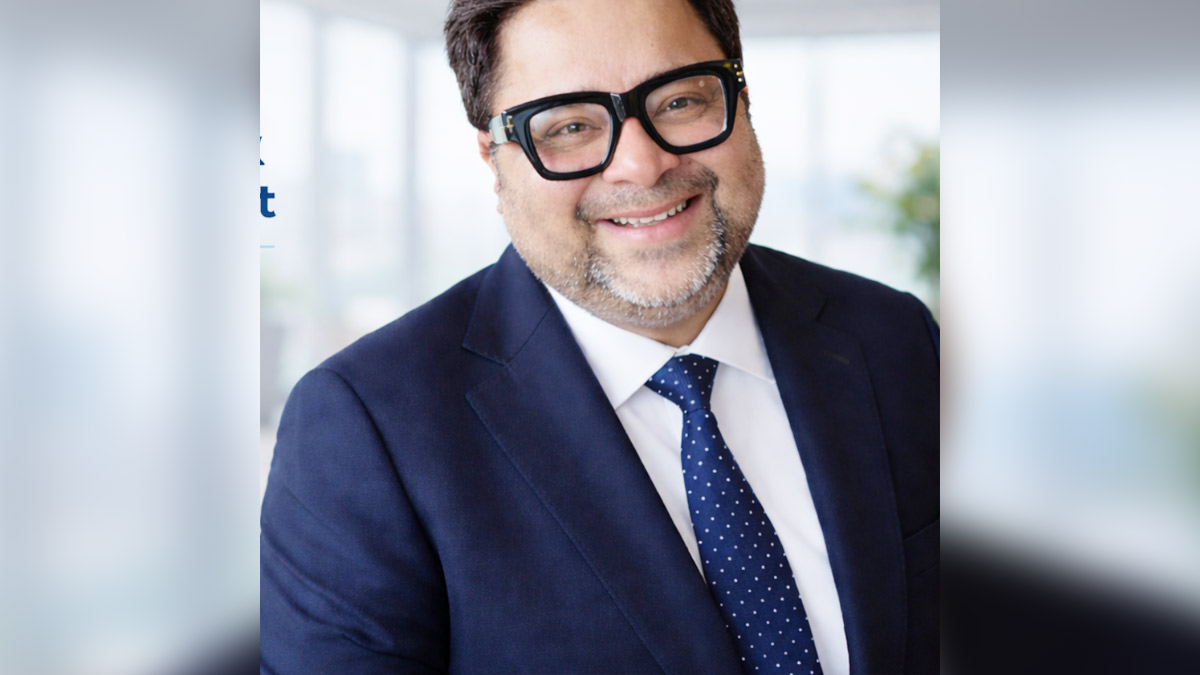
NOIDA: Piyush Thakur has stepped away from Inshorts Group after nearly 10 years with the company, marking the end of a long tenure that culminated in his role as chief revenue officer.
In a farewell note, Thakur said he was “turning a new page” after almost a decade at Inshorts, calling it one of the hardest professional decisions he has made. He added that his exit was not driven by uncertainty about the future, but by reflection on a long association with the company.
Thakur joined Inshorts in October 2016 as vice president and spent around seven years in the role before being elevated to chief revenue officer in April 2024, a position he held until April 2026.
He said his tenure was defined by “thousands of mornings, late nights, product debates and breakthrough moments”, as the company evolved into a large-scale digital news platform used by millions.
In his note, Thakur emphasised that Inshorts’ growth was a collective effort across teams, adding that engineers, designers, sales teams and customer support staff all contributed to building the platform. He said the company’s success was not the result of individuals but of “everyone who stayed, passed through, and left their mark”.
Before Inshorts, Thakur worked across several digital media and business development roles. At ESPN, he served as senior regional manager from October 2015 to October 2016, focusing on growth initiatives, strategic opportunities and video distribution.
At Times Internet, he worked for nearly three years, including as head of business development from April 2015 to September 2015 and chief manager from January 2013 to March 2015. His responsibilities included monetisation of mobile platforms, managing media and developer partnerships, and driving revenue across digital properties such as The Times of India and The Economic Times.
Earlier, he worked at Brandmovers as head of business development from June 2012 to June 2013, handling digital, mobile and social media marketing solutions, client development and strategic consulting. During this period, he also worked on advertising revenue, brand strategy and CRM-based solutions.
At Inshorts, Thakur’s role focused on revenue strategy, mobile and media partnerships, and growth initiatives across platforms. His profile highlights experience in mobile product management, digital business models, partner ecosystems and revenue expansion in high-growth environments.







