News Broadcasting
BIS task-force on STB specifications for DTH

NEW DELHI: The Bureau of Indian Standards (BIS) has decided to form a task force to come up with recommendations on the specifications of set-top boxes (STBs) for KU-band direct-to-home television service, even as Star felt that interoperability, as suggested in the government guidelines, is not a workable model.
The task force would include representatives from the BIS, the two DTH applicant companies (the Subhash Chandra promoted ASC Enterprises and a Star affiliate, Space TV), Doordarshan (DD) , All India Radio (AIR) and a consumer activist.
The task force has to come up with its recommendations for the main committee of the BIS. What can make the work of task force difficult is the fact that BIS’ viewpoint is that it has to operate within the broad framework of the policy guidelines which states that for KU-band DTH service an open architecture has to be followed.

At a meeting held here yesterday, a Star India representative, according to BIS sources, opined that inter-operability or an open architecture would make starting a DTH service in India difficult as it is “not a workable model” to follow.
The reasons given, according to the sources, was that if an open architecture STB is insisted upon by the government, then it would make the STB expensive and difficult for a would-be service provider to subsidise the STB as exclusivity and captive consumers would not be assured.
Thomson India and CETMA, the apex body of consumer electronics goods manufacturers in India, supported the stand of Star, said to be represented by the Mumbai-based head of the company’s DTH operations in India. The information and broadcasting ministry had referred to the BIS the issue of specifications for STBs for DTH last year.
What does the government mean by an open architecture? In layman’s language it means that if a consumer buys a STB for a KU-band DTH service in India, then the STB should be capable of working if the smart card of another DTH service provider is inserted in it. This theory is based on the presumption that there would be several DTH service providers in India, though globally, this sector works best with monopoly or at best a duopoly.
Though BIS today made it clear it has to work within the DTH policy framework, announced by the government late 2000, some time back officials of the BIS had admitted to indiantelevision.com in private that an open architecture, as being insisted by the government, is a very difficult modele to adhere to as its prevalence is rare worldwide and would make the whole operation costlier for the consumer.
Still, there are people in the broadcasting and cable industry who feel that open architecture is a possibility and the interest of the consumer would be protected.
A debate, it seems, that will take some more time before a working consensus emerges.





News Broadcasting
CNN-News18 rolls out Battle for the States ahead of key polls
Multi-format election coverage tracks voter mood across five battleground states
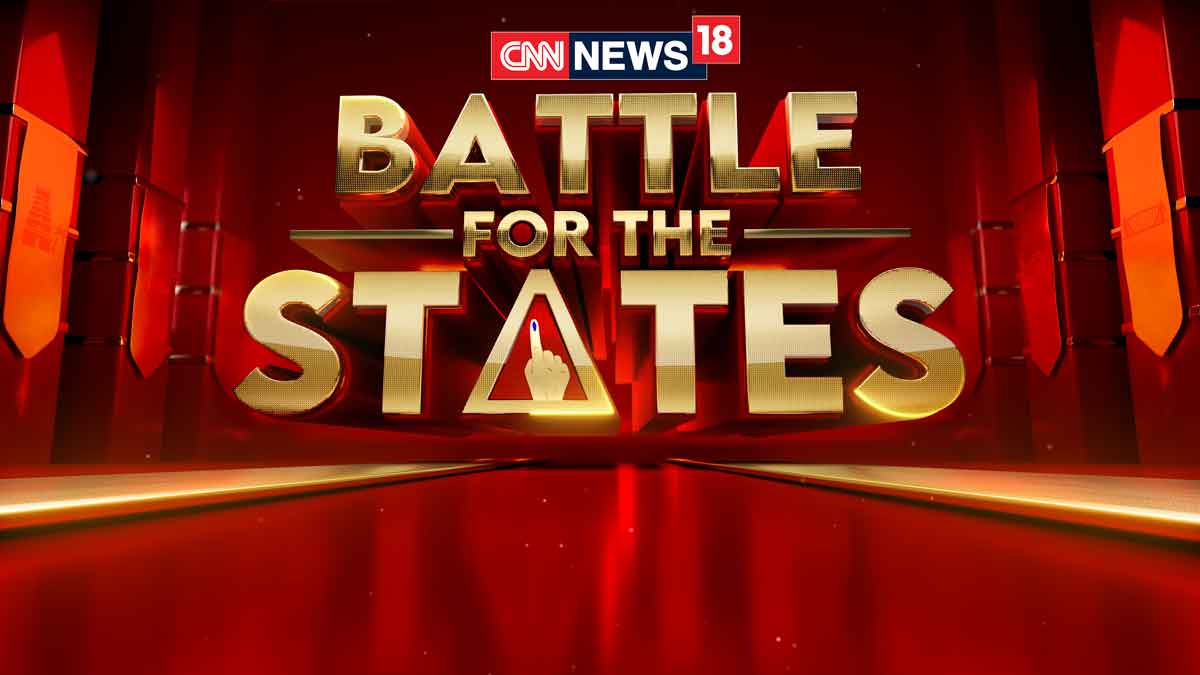
NEW DELHI: CNN-News18 has launched a special election programming initiative titled Battle for the States, as India gears up for high-stakes Assembly elections across West Bengal, Tamil Nadu, Kerala, Assam and Puducherry.
Built around the theme ‘Road to Power’, the multi-format coverage aims to follow the entire electoral journey, from campaigning and polling to results and government formation. The network is leaning into on-ground reportage and data-backed storytelling to decode voter sentiment across regions where local issues often shape the narrative.
The programming line-up includes ‘Vote Tracker’, a three-part series developed in collaboration with survey agency Vote Vibe. The show blends survey insights with expert commentary and field reporting, using augmented reality graphics to present complex electoral data such as vote share, seat projections and leadership preferences in a more accessible format. It will air every Monday evening until April 6.
Adding a cultural lens to political reporting is ‘So Saree!’, a ground-driven segment where women anchors travel across constituencies dressed in traditional handwoven sarees from each state. The format uses attire as a storytelling device, highlighting regional identity while capturing grassroots voices.
Meanwhile, ‘Unfiltered Kaapi’ and ‘Chai-Niti’ bring a more conversational tone, drawing inspiration from everyday political discussions in tea stalls and coffee corners. These segments aim to break down key issues through candid, fast-paced exchanges between anchors and reporters, tailored to regional sensibilities.
For viewers seeking deeper insights, the weekend docuseries ‘Reporters Project’ takes a longer view, with correspondents travelling across constituencies to map voter concerns and political shifts on the ground.
“Elections are about people, their aspirations, identities and the issues that matter to them, and every state tells a different story,” said CNN-News18 editorial affairs director Rahul Shivshankar. He added that the initiative focuses on understanding “the sentiment on the ground and what’s driving voter choices”.
Echoing the emphasis on credibility, Network18 CEO – English and business news Smriti Mehra said the network aims to combine on-ground reporting with data-led insights to deliver clear and timely coverage as the elections unfold.
With a mix of data, culture and grassroots reporting, CNN-News18 is positioning Battle for the States as a comprehensive window into one of India’s most closely watched electoral cycles, where every vote carries a story waiting to be told.






