iWorld
Bigg Boss OTT to significantly impact overall digital revenues on Voot

Mumbai: At a time when film producers are tentatively considering direct-to-OTT releases, broadcaster Viacom18 boldly launched its biggest property – Bigg Boss- on its digital platform Voot with an impressive line of sponsors.
‘Bigg Boss OTT’ debuted on its streaming platform on August 8 with film producer Karan Johar hosting the show. There were 13 contestants brought exclusively for the digital platform. The OTT special edition will stream on Voot for the first six weeks following which it will be aired on Colors TV.
“This strategic move can help with an asset like ‘Bigg Boss’ which already has a loyal following on television, which coupled with targeted marketing, made available by performance marketing, can greatly help increase subscriber revenue and user base on the OTT platform,” said Starcom, managing partner, Gautam Surath.

The broadcaster has roped in ‘presents’ sponsor Vimal Paan Masala, while the food delivery platform Swiggy and cryptocurrency exchange platform CoinDCX were brought onboard as ‘co-powered’ by sponsors. The overall sponsorship is estimated to be upwards of Rs 15 crore.
According to Voot, season 13 has so far garnered 20 billion minutes of watch time, 1.5 billion views and reached 40 million viewers. Industry estimates suggest Season 13 of the show has earned around Rs 180-200 crore in advertising revenues from nine sponsors and about 100 advertisers.
“The OTT space is growing at a pace of nearly 35 per cent CAGR as per recent industry reports. Last year due to lockdown and also limited programme choices available on TV, we saw the total paid subscribers going up by 30 per cent in the initial months of FY 21. In the recent months we have also seen a huge growth in original content being released on OTT first,” said dentsu X India’s partner – client leadership, Saurabh Shrivastava.
The launch of the digital property was no less than any TV launch. A full-page jacket ad was splashed on the Sunday edition of Times of India Mumbai, alongwith TV and OOH campaigns.
The digital viewership for reality TV show has been steadily growing at 30-50 per cent since season 10. While reach data for season 14 has not been made available by Voot, media planners estimate that it has grown by 40 per cent. “Purely from the Voot streaming app perspective, season 14 has seen a 40 per cent increase in viewership over last year, garnering 1.5 billion minutes of watch time in the launch week”, observed Starcom’s Surath.
“As an OTT platform, Voot has been growing YoY. It was estimated that Voot reached over 100-110 million MAU at the end of season 14. ‘Bigg Boss’ on Voot clocked close to ~1.5 Bn views during season 13 and it certainly crossed 2.2-2.5 billion views in season 14”, said Havas Media India’s head – digital services, Rohan Chincholi.
The six week-long digital reality series could also act as a launch pad for ‘Bigg Boss season 15’ that will air on television, and contestants from the digital show may make an appearance on the TV reality series.
“With Big Boss getting released on OTT, it will have a lot of traction from young consumers in terms of the time spent and content engagement. A particular mention for Karan Johar as host, as well as participants Shamita Shetty, Neha Bhasin, and Moose Jattana, who are already social media sensations, would bring in new viewers and give this version of the show a lot more eyeballs” added Shrivastava.
Apart from its sponsors, ‘Bigg Boss OTT’ may also attract a lot of advertisers for its digital inventory, according to industry experts. In the past, telcos, mobile handsets, e-commerce, fitness, food delivery, internet companies, insurance, consumer electronics, apparel, home services, fast food, auto and tyre brands have been active advertisers on the digital stream of the show.
Advertising demand on OTT platforms has also essentially doubled in the post-Covid era as more and more viewers have turned to streaming platforms. “This greatly increases the advertising competition, which paves the way for smarter performance marketing strategies that dive deeper into audience targeting, creative intelligence and data analytics. And, in turn, lead to greater RoI, according to agency experts.
Commenting on the cost per mile (CPM) for the digital inventory of the show, Performics’ director of app marketing, Almog Ramrajkar said, “The average cost comes to about Rs 0.12 per impression so the CPM comes to about Rs 120. ‘Bigg Boss’ offers video ad ranges starting from up to 6-seconds to 45 seconds ads which come at a CPM of Rs 120 to Rs 690 respectively.”
The digital stream of the show had a pan India presence reaching over 1200 towns and cities. Internal data shared by Voot in 2019 showed that viewers from NCT of Delhi and Maharashtra saw the highest levels of engagement for the show, followed by Uttar Pradesh, Punjab and Karnataka and light levels of engagement from Gujarat, Haryana, Chandigarh, Rajasthan, West Bengal.
“Female audience under the age group of 18-24 has the highest engagement rate for the show with more than 95 per cent completion rate of every unseen clip. A major part of the ‘Bigg Boss’ audience on Voot are tech-savvy urban millennials especially women with high purchasing power and propensity to buy online. Advertising to such an affluent audience is the perfect fit for e-commerce and digital-first brands,” said Ramrajkar.
“Usually, it is an equal split between male and female audiences. The 18-34 age bracket is the most engaged on the platform. More than 50 per cent of the engagement comes from Tier 2 and 3. Mostly youth brands from lifestyle, retail, FMCG, entertainment and automobile categories, associate with this property”, added Havas Media’s Chincholi.
Considering that Voot roped in eight sponsors for season 13 and 11 advertisers for season 14 and the significant growth in viewership of the show year-on-year, ‘Bigg Boss OTT’ will likely have a significant impact on overall digital revenues for the AVOD business.







iWorld
OpenAI hits back at Elon Musk’s lawsuit ahead of trial
Company calls claims “baseless” and accuses Musk of trying to disrupt a rival.
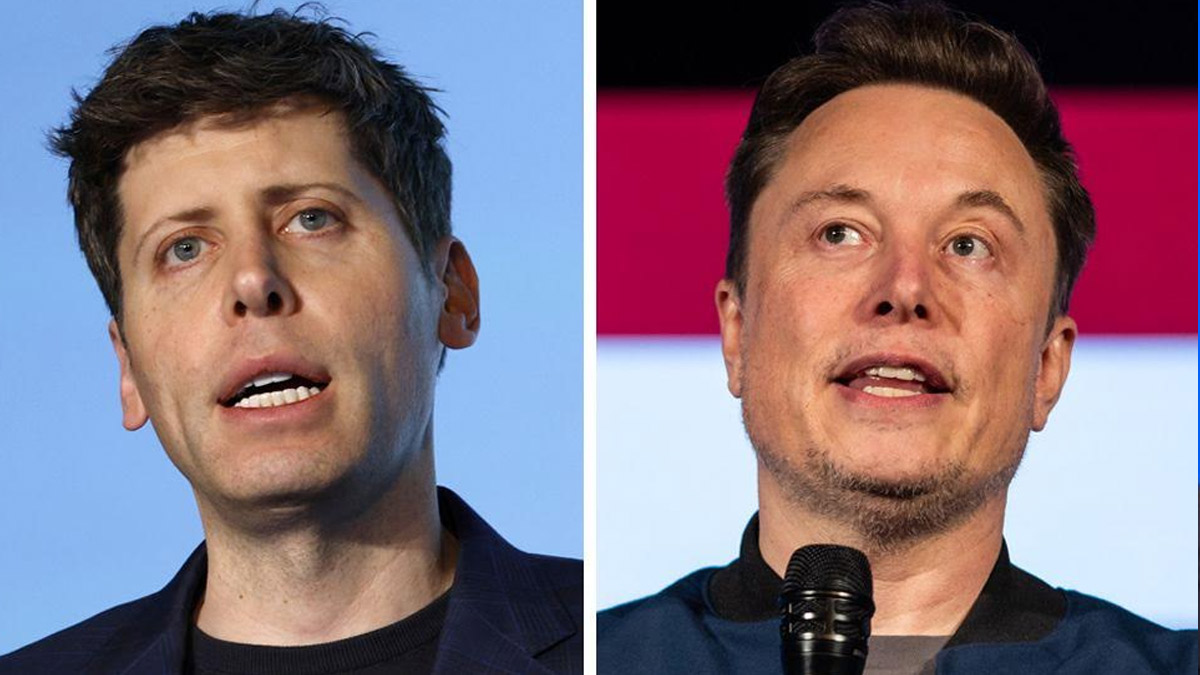
MUMBAI: When the stakes are measured in billions and egos are involved, even Silicon Valley titans can turn a courtroom into a battlefield. OpenAI has issued a sharp public response to Elon Musk’s ongoing lawsuit, accusing the billionaire of filing the case to harass a competitor rather than address genuine concerns. In a strongly worded statement shared on its official X account, OpenAI described Musk’s allegations as “baseless” and suggested the lawsuit is an attempt to disrupt the company as the case heads toward trial later this month in Oakland, California.
The response comes after Musk’s legal team recently amended the complaint, proposing that any damages potentially exceeding $150 billion should go to OpenAI’s nonprofit entity rather than to Musk personally. OpenAI questioned the timing and motive behind this change, calling it a late-stage attempt to “pretend to change his tune” on the nonprofit structure.
The company further labelled the lawsuit a “harassment campaign”, arguing that Musk’s actions are driven by personal rivalry, ego, and a desire for greater control and financial upside.
At the heart of the dispute is Musk’s claim that OpenAI has abandoned its original nonprofit mission of developing artificial intelligence for the benefit of humanity. A co-founder who left in 2018, Musk is seeking governance changes, including the removal of CEO Sam Altman from the nonprofit board, and the return of certain financial gains linked to Altman and President Greg Brockman.
OpenAI has firmly rejected these allegations, maintaining that its current hybrid structure, a public-benefit corporation overseen by a nonprofit parent remains true to its long-term goals. The company has also previously accused Musk of anti-competitive behaviour aimed at weakening its leadership.
As the case prepares for a jury trial, this public exchange highlights the deepening rift between two of the most influential figures in the AI revolution and raises broader questions about governance, mission, and power in the fast-moving world of artificial intelligence.
In the high-stakes game of AI, it seems the real drama isn’t just inside the models, it’s playing out in courtrooms too.






