Applications
Big Magic Intl strengthens reach in Canada with new distribution deals


MUMBAI: Big Magic International (BMI), part of Reliance Broadcast Network Ltd. (RBNL) has announced a strategic distribution tie-up with Canadian cable distribution companies – Telus, Cogeco, to boost coverage. Having launched last year with Ethnic Channels Group (ECG) as its exclusive distribution partner, the channel is now present in five of the six platforms, across GTA, East and the West Coast.
With this move, BMI reaches out to the South Asian diaspora living across Canada, with shows like ‘Rasoi ki Rani‘ and ‘Big Memsaab Season 6‘. Also planned in the pipeline are local shows targeting youth and a business show on the Success Stories of Indians in Canada.
Telus Optic TV covers Vancouver, British Columbia, Alberta, Edmonton and Calgary on the West Coast. It will beam on Channel 556 and free viewing at a $5 add-on.

Cogeco will serve the areas of Hamilton, Burlington, Oakville, Milton, Stoney Creek, Burloak, Brockville, Niagara Falls, St. Catherine, Peterborough, and Windsor among others in the Ontario region on Channel 1084. This in effect will cover the East Coast of Canada. Big MAGIC will be offered to viewers here as a package, with channels included being ATN, Zee Cinema, Big Magic, Aaj Tak and Headlines Today. This will be available to viewers for $25 per month.
BMI is the first variety entertainment channel to connect with the Indian community in Canada, according to the company.
Soumen G. Choudhury said, “We are happy to announce further penetration of the channel, through the launch on Telus and Cogeco. This will ensure that our shows that have seen popularity in India, grow global and entertain the viewers internationally too. Our partners, ECG have done a commendable job, giving us an increased penetration through their existing relationship with platforms across Canada.”
ECG president Hari Srinivas said, “While our audiences grow, we need to meet the demands of every segment of our viewers. With Big Magic International, we cover the most engrossed and interactive audience of South Asians, especially Indians”.







Applications
With 57 per cent single new users, Ashley Madison rebrands as discreet dating platform
Platform says majority of new members now identify as single
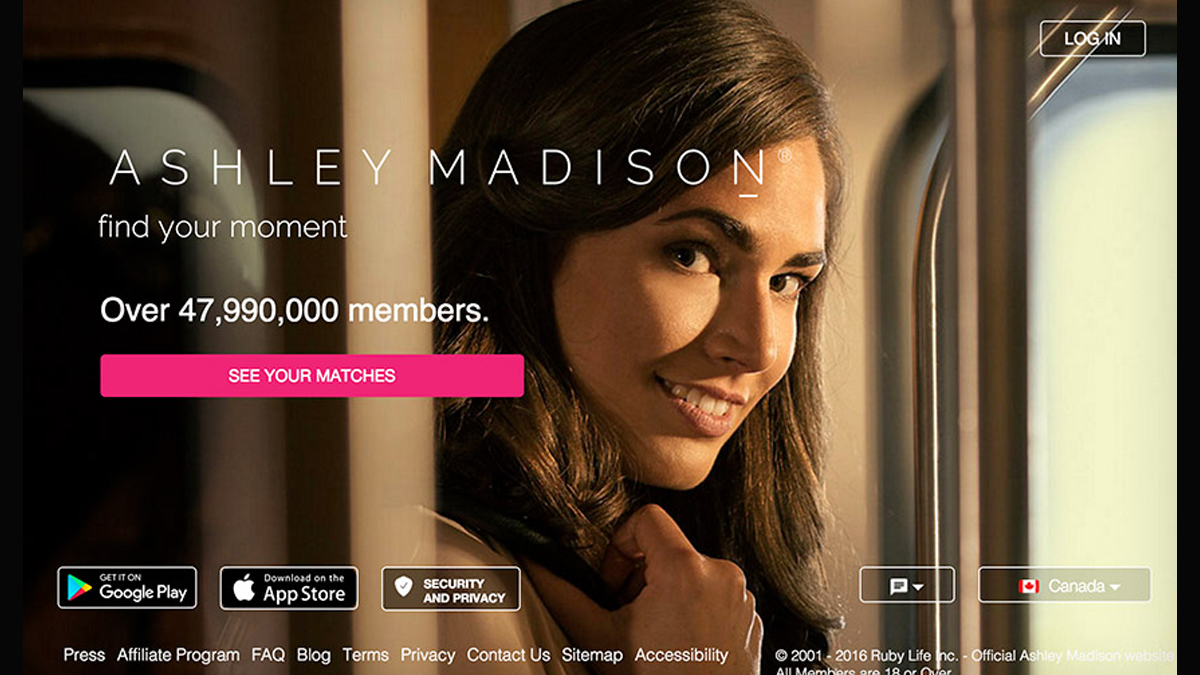
INDIA: Ashley Madison is shedding the “married-dating” label that defined it for two decades, repositioning itself as a platform for discreet dating in what it calls the post-social media age.
The rebrand, unveiled in India on 27 February, 2026, marks a structural shift in business model and identity. Once synonymous with married dating, the company now describes itself as the “premier destination for discreet dating” under a new tagline: Where Desire Meets Discretion.
The pivot is data-driven. Internal figures show that 57 per cent of global sign-ups between 1 January and 31 December, 2025 identified as single: a notable departure from the platform’s married core. The company argues that its community has already evolved beyond its original positioning.
“In an age where our lives have been constantly put on public display, privacy has become the new luxury,” said Ashley Madison chief strategy officer Paul Keable. He framed the platform’s offering as “ethical discretion” for singles, separated, divorced and non-monogamous users seeking private connections.
The shift also taps into wider digital fatigue. A global survey conducted by YouGov for Ashley Madison, covering 13,071 adults across Australia, Brazil, Canada, Germany, India, Italy, Mexico, Spain, Switzerland, the UK and the US, found mounting discomfort with hyper-public online lives.
Among dating app users, 30 per cent cited constant swiping and messaging as a source of fatigue, while 24 per cent pointed to pressure to curate public-facing profiles and early personal disclosure. Some 27 per cent said fears of screenshots or information being shared contributed to exhaustion; an equal share cited unwanted attention.
The retreat from oversharing appears broader. According to the survey, 46 per cent of adults actively try to keep most aspects of their life private online. Only 8 per cent feel comfortable sharing most aspects publicly, while 35 per cent say they are becoming more selective about what they disclose.
Ashley Madison is betting that this cultural recalibration towards controlled visibility can be monetised. By doubling down on privacy infrastructure and reframing itself around discretion rather than infidelity, the company is attempting to convert reputational baggage into a premium proposition.







