Gaming
BGMI drops the mic on Ads with a satirical spin

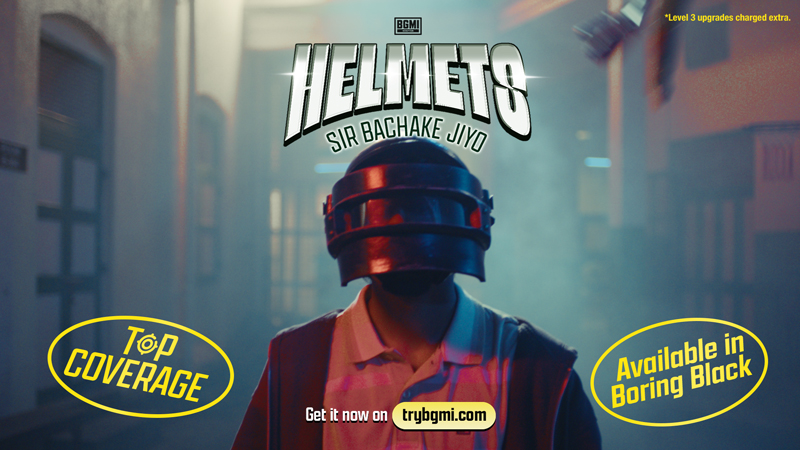
MUMBAI: Battlegrounds Mobile India (BGMI) has taken aim at one of India’s cheekiest advertising tricks, the surrogate ad, and flipped it into a cultural spectacle. Teaming up with creative agency Talented, the brand has launched BGMI Drops, a tongue-in-cheek campaign that turns parody into performance art for the meme generation.
Instead of hiding behind substitutes, BGMI proudly parodies them. The campaign transforms the game’s most iconic elements into fictional FMCG products, BGMI energy drink, BGMI helmet, and BGMI only pans, each with its own delightfully over-the-top commercial.

Directed by Akimbo (Mandakini Menon & Bopanna MG) and produced by Potli Baba Mediahouse, the three short films blend nostalgia, satire, and absurdist humour, paying tribute to India’s golden era of ad jingles and glossy TV spots. The first film alone clocked 4 million organic views in just 24 hours.
The fun doesn’t stop there. Fans can head to trybgmi.com, a parody storefront where they can “shop” for the spoof products, discover hidden easter eggs, and unlock digital experiences, all part of the campaign’s interactive storytelling.
“BGMI has always set the tone for pop culture in India,” said Krafton India associate director – marketing and product Srinjoy Das. “With BGMI Drops, we wanted to speak in the native tongue of our players, referential, meme-driven, and self-aware.”
According to Talented’s Ritika Shriram and Aaliya Sheikh, “Surrogate ads were about hiding intent. We turned that inside out. These films wear their disguise proudly and invite viewers to join the inside joke.”
By remixing nostalgia with internet irony, BGMI Drops turns everyday scrolls into satire. In true 2025 style, it’s not just an ad campaign, it’s a wink, a nudge, and a meme waiting to happen.






Gaming
Konami concludes successful eFootball India campaign
Campaign featuring Rinku Singh, Varun Chakravarthy and other stars boosts engagement ahead of FIFA World Cup 2026.
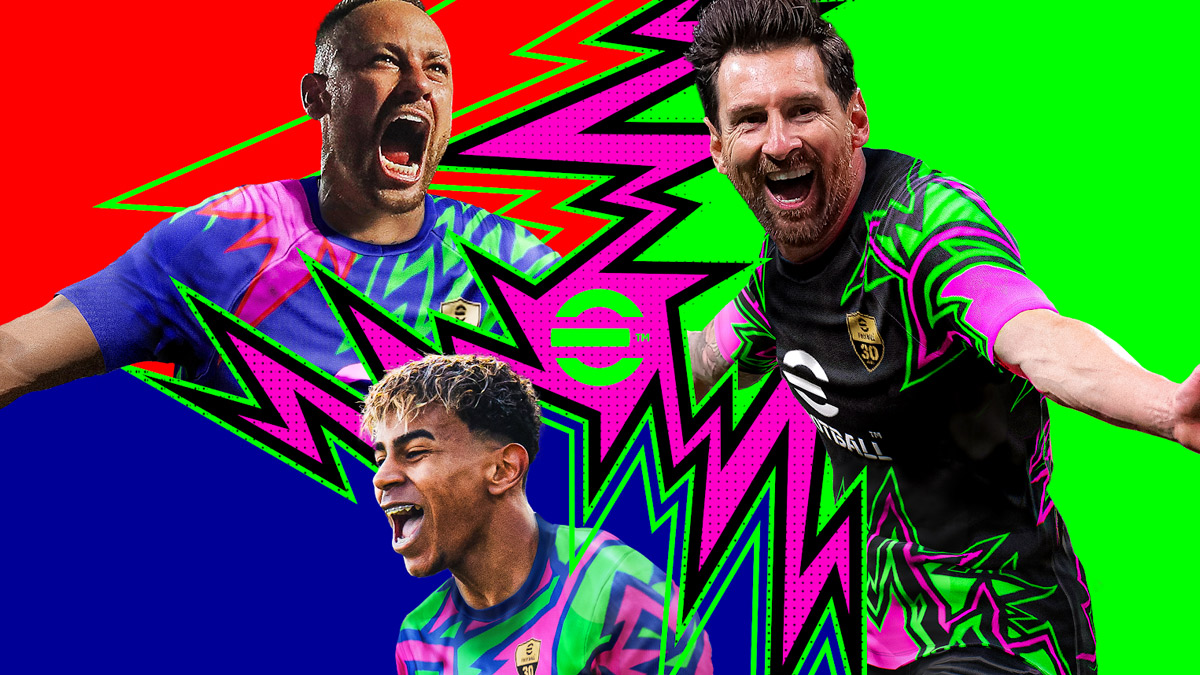
MUMBAI: When cricket meets football in the virtual world, even the biggest fans can’t help but score and Konami’s latest eFootball campaign in India has clearly hit the back of the net. Konami Digital Entertainment has successfully wrapped up its India campaign for eFootball, which brought together cricketers Rinku Singh and Varun Chakravarthy, actors Naslen Gafoor and Chandu Salim Kumar, and footballers Sahal Abdul Samad and Shubhasish Bose. The multi-star campaign generated strong excitement across gaming, football, and creator communities through social content, fan participation, and in-game engagement.
Building on the initial launch that featured a limited-time Lionel Messi card, the campaign united fan communities, lifestyle creators, football creators, and competitive eFootball influencers. It significantly expanded the game’s visibility and deepened engagement with fans across the country.
The campaign also saw thousands of entries submitted as part of its social media engagement challenge, reflecting high levels of community enthusiasm and active creator involvement.
Looking ahead, Konami plans to build on this momentum with more eFootball experiences for Indian fans as the FIFA World Cup 2026 approaches. With global attention on the tournament set to rise, India will remain a key market for deepening community engagement and bringing fans closer to the action.
In a country that lives and breathes sport, Konami has shown that mixing real-world stars with virtual thrills is a winning formula leaving fans eagerly waiting for the next goal.






