News Broadcasting
BBC scouting for partners in India for Hindi and Urdu news channel services


MUMBAI: The British Broadcasting Corporation is scouting for joint venture partners for launching television news channel services in Hindi and Urdu languages in India.
“We are launching a 24-hour news channel in Arabic next year and we are looking at television services in Hindi and Urdu. They will be joint ventures,” BBC World Service business development manager Michel Lobelle told reporters in Colombo, according to news agency PTI report.
The expansion of television saw a slight dip in radio listenership in India but, it is on the rise again with more people tuning into radios, he said.

In India, the Corporation has already entered into partnership on various fronts such as magazine and radio. The BBC Worldwide owns 50 per cent of the Times of India’s magazines subsidiary including its selling titles, FilmFare and Femina. In August 2005, Top Gear magazine launched in India making it the first BBC magazine from the joint venture.
On the radio front, the BBC Worldwide has partnered with Radio Mid-Day West (India) Private Ltd. The company has won bids for six cities including Delhi, Chennai, Kolkata, Bangalore, Ahmedabad and Pune.
The Corporation also announced its rebroadcasting deal with Sri Lanka’s state-run Sri Lanka Broadcasting Corporation (SLBC) radio.
The SLBC radio will rebroadcast nine hours of BBC programmes under the new deal, Lobelle said, adding that the deal provides an opportunity for Lankans to easily access BBC programmes through a network of FM channels.





News Broadcasting
BBC to cut up to 2,000 jobs in biggest overhaul in 15 years
Cost pressures and leadership change drive major workforce reduction plan
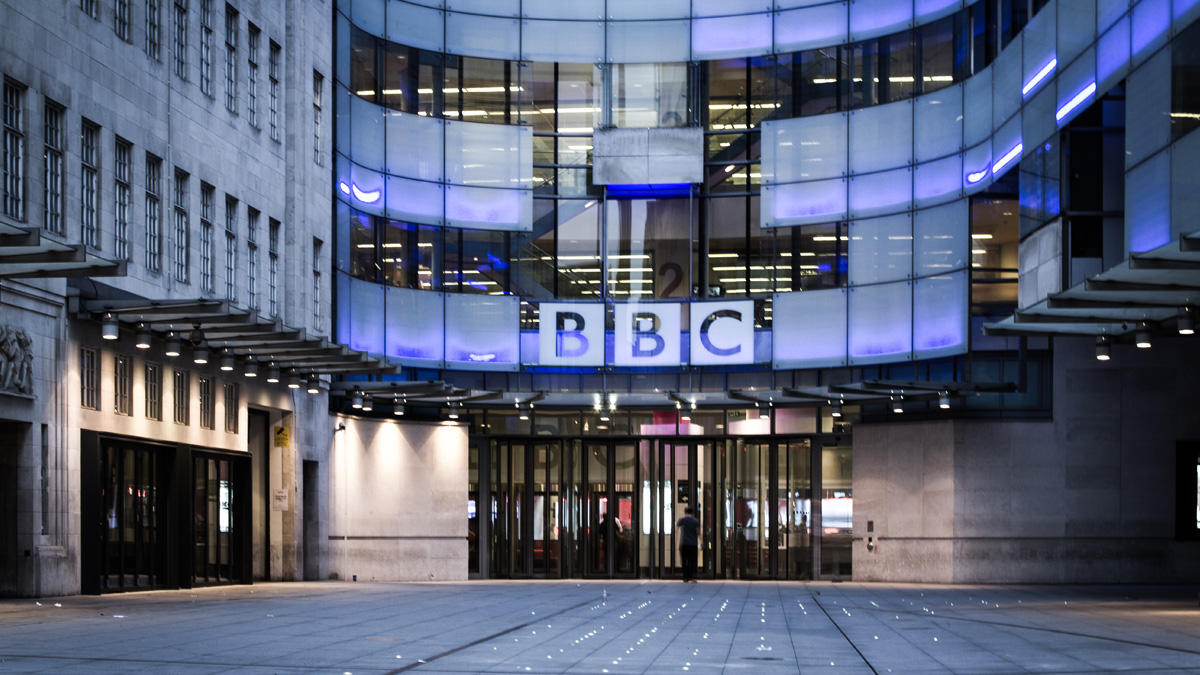
LONDON: BBC has unveiled plans to cut up to 2,000 jobs, roughly 10 per cent of its global workforce, in what marks its biggest downsizing in 15 years.
The announcement was made during an all-staff meeting led by interim director-general Rhodri Talfan Davies, as the broadcaster moves to tackle mounting financial pressures and reshape its operations.
Between 1,800 and 2,000 roles are expected to be eliminated from a workforce of around 21,500. The cuts form part of a broader plan to save £500 million over the next two years, aimed at offsetting rising costs, stagnating licence fee income and weaker commercial revenues.
In a communication to staff, BBC interim director-general Rhodri Talfan Davies said, “I know this creates real uncertainty, but we wanted to be open about the challenge,” acknowledging the impact the move would have across the organisation.
The restructuring comes at a time of leadership transition. Former director-general Tim Davie stepped down earlier this month, with Matt Brittin, a former Google executive, set to take over the role on May 18, 2026.
While some cost-cutting measures are being implemented immediately, the majority of the structural changes are expected to roll out over the next few years, with full savings targeted by the 2027–2028 financial year.
The broadcaster had earlier signalled its intent to reduce its cost base by around 10 per cent over a three-year period, warning of “difficult choices” as it adapts to shifting economic realities and audience expectations.
With operating costs hovering around £6 billion annually, the BBC’s latest move underscores the scale of the financial challenge it faces, as it balances public service commitments with the need for long-term sustainability in an increasingly competitive media landscape.