GECs
Bangladesh high court petition seeks ban on Indian TV channels


MUMBAI: In the sweltering heat of early August, Bangladesh found itself at the crossroads. The once-bustling streets of Dhaka were now battlegrounds, echoing with the cries of a populace yearning for change. The crescendo of protests reached its peak on 5 August 2024, when prime minister Sheikh Hasina, facing mounting unrest, sought refuge in India. Her departure marked a significant turning point, plunging the nation into further turmoil. The ensuing days were marred by intensified violence, with supporters of the Awami League becoming targets of widespread retribution. Amid smoldering buildings and shattered dreams, the mantle of leadership passed to Nobel laureate Muhammad Yunus, tasked with steering a country bruised and battered by its own internal strife.The nation stood on the precipice, its democratic aspirations hanging in the balance, as it grappled with the aftermath of a toppled regime and the quest for a new beginning.
Five months after this chaos, a writ petition has been filed in the Bangladesh High Court, calling for a ban on Indian television channels, citing their alleged negative impact on Bangladeshi society and culture. The petition, submitted by lawyer Ekhlas Uddin Bhuiyan, demanded action under the Cable Television Network Operation Act, 2006, seeking to halt broadcasts of channels such as Republic Bangla, Star Jalsha, Star Plus, and Zee Bangla.
The petition highlights concerns over provocative news coverage and unregulated content that allegedly opposes Bangladeshi culture, claiming these broadcasts are ‘destroying the youth’ and contributing to a cultural disconnect. A hearing is expected to take place in the HC with justices Fatema Najib and Sikder Mahmudur Razi presiding over the matter.

The petition has named the information ministry, home ministry, and Bangladesh Telecommunication Regulatory Commission (BTRC) as respondents. It alleges that these Indian channels fail to adhere to regulatory norms and calls for a rule to ban them altogether.
This development comes amid rising concerns over minority safety in Bangladesh. Violent incidents, including attacks on Hindu communities, temple desecrations, and clashes in Chattogram, have sparked national and international outrage. In recent events, tensions escalated after the arrest of a former priest, Chinmoy Krishna Das and the hoisting of a saffron flag above the national flag in Chittagong, which further fueled unrest.
India has consistently urged Bangladesh’s interim government to ensure the safety of minority groups and take appropriate steps to curb violence.
The petition reflects growing societal concerns about the influence of foreign media on Bangladeshi culture and the nation’s youth, potentially setting the stage for significant regulatory decisions regarding cross-border broadcasting.


GECs
EPIC Company unifies all brands under single EPIC identity
IN10 Media rebrand aligns TV, digital and films into one ecosystem
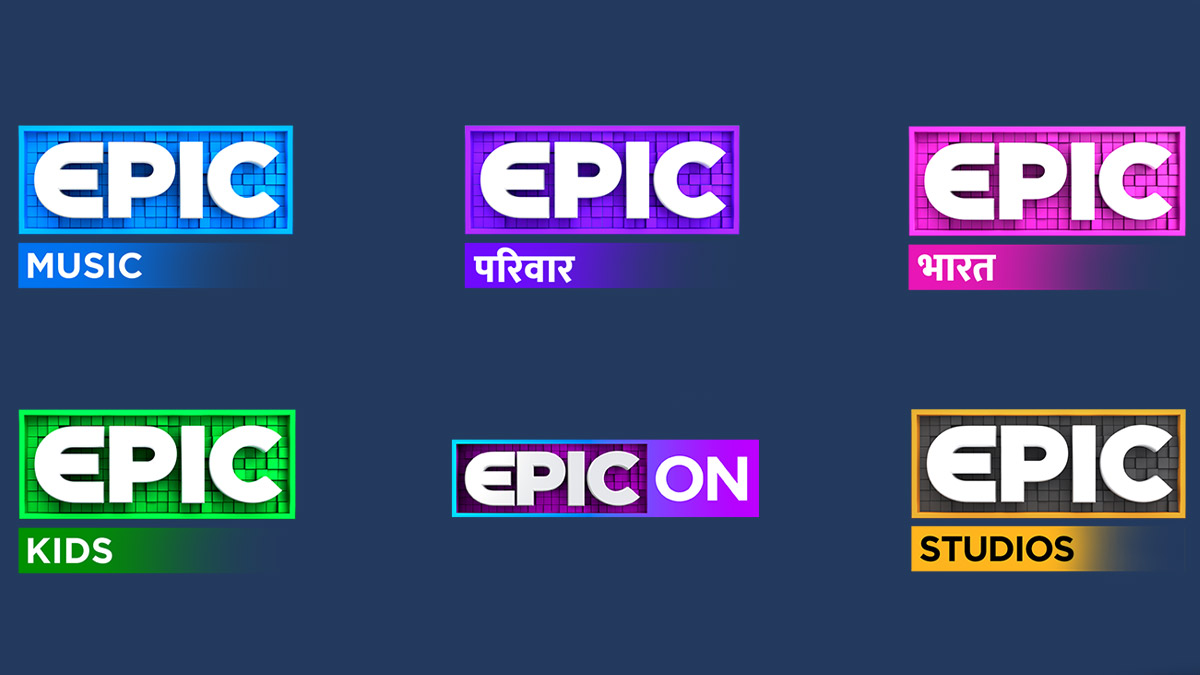
MUMBAI: The EPIC Company, formerly known as IN10 Media Network, has announced a sweeping brand consolidation, bringing its television channels, digital platforms and content IPs under a single identity, EPIC.
The move is aimed at simplifying the company’s structure while creating a more connected content ecosystem spanning television, digital and films. By aligning multiple verticals under one umbrella, the company is looking to present a sharper, more cohesive face to both audiences and partners.
As part of the transition, several channels have been rebranded to align with the EPIC identity. EPIC will now operate as EPIC TV, while Nazara becomes EPIC Bharat, Filamchi is now EPIC Bhojpuri, Gubbare transitions to EPIC Kids, and ShowBox is reintroduced as EPIC Music. Ishara will continue under the identity EPIC Parivaar, maintaining its core positioning.
The company has also refreshed EPICON, its streaming platform, to reflect a more unified and modern brand experience. The overhaul is designed to improve content discovery and create a seamless experience across platforms.
This consolidation follows the recent launch of EPIC Studio, a unified production arm that brings together Juggernaut Productions and MovieVerse Studio, as the company expands its footprint across films, OTT and television.
The EPIC Company managing director Aditya Pittie said, “As our scale has grown, it has become important to simplify how we operate and how we present ourselves to the ecosystem. This consolidation gives us a clearer, more future-ready structure to partner, invest, and build at scale, while ensuring that for viewers, the experience is more seamless and intuitive.”
With the rebrand, The EPIC Company is positioning itself as a platform-agnostic content network, focused on scale, simplicity and integrated storytelling. By bringing everything under one banner, it is aiming to make its content universe easier to navigate and harder to ignore.






