Gaming
ASUS India takes the nostalgia route in its latest campaign ‘Khelon Ka Pitara’

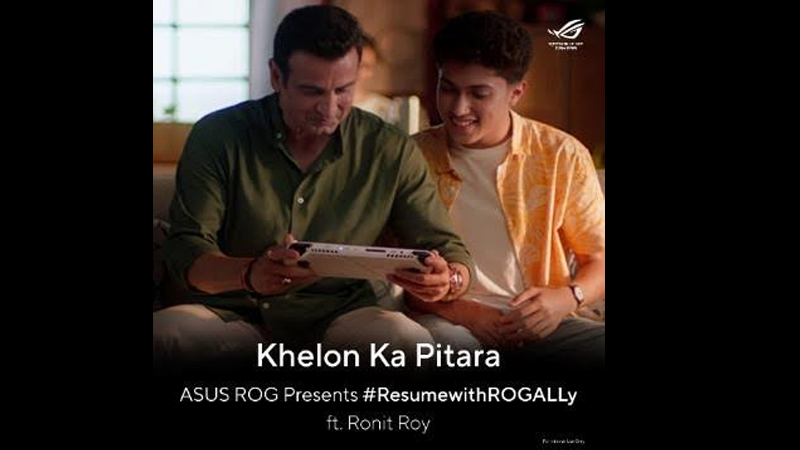
Mumbai: ASUS India, a Taiwanese technology giant and the leading gaming brand in India, today launched the new campaign “Khelon Ka Pitara” featuring Ronit Roy as the protagonist. The campaign takes viewers on an emotional journey, exploring how millennials have witnessed the transformation of gaming devices in the country. Through this evocative video, the brand strives to bring back the excitement and joy that millennials felt when they played games and inspire them to start playing again. It is all about reigniting that passion for gaming with #ResumewithAlly.
The video campaign traces the evolution from the early days of handheld battery-powered devices to exhilarating multiplayer gaming marathons in cyber cafes, weaving a narrative that mirrors the growth of gaming technology over the past few decades. It not only showcases the competitive spirit but also captures the deep sense of satisfaction and joy experienced while immersing in the world of gaming.
Commenting on the launch of “Khelon Ka Pitara,” Asus India marketing head consumer PC & gaming, systems group, Paramjeet Singh said, “In the dynamic landscape of technological evolution proliferating across human generations, we are proud to introduce our latest campaign, “Khelon Ka Pitara. The campaign is designed to establish a meaningful connection with the millennials, who were the first generation to start gaming and facilitate a bridge to their Gen Z and Alpha kids, who are currently immersed in the advanced stage of gaming. ROG Ally along with this campaign signifies a distinctive and shared gaming affinity between the millennial generation and their progeny, aiming to foster mutual interest in gaming, bridging the generational gap and creating a lasting bond amongst them.”

Conceptualised by the Whizzstudios, the video opens with a heartwarming scene featuring a father-son duo engaged in playful banter. The son engrossed in playing on the ROG Ally, while the father, eager to join in, asks his son to share the handheld console. The son hesitates, believing his father might be out of touch with gaming, but the father’s nostalgic recollections transport them both through the years of shared gaming experiences. The video culminates with Ronit Roy, the father figure, inspiring viewers to rekindle their gaming journeys.
The Indian online gaming ecosystem has received growing acceptance as a preferred mode of entertainment. With the advent of technology many gaming-focused devices, including desktops, laptops, monitors, and consoles like ROG Ally have made inroads in the market. ROG Ally is the handheld Windows gaming device aimed at elevating and redefining the gaming experience on the move with its spectacular flagship features and innovation making the AAA gaming experience all the more immersive while the user is on the move.


Gaming
Konami concludes successful eFootball India campaign
Campaign featuring Rinku Singh, Varun Chakravarthy and other stars boosts engagement ahead of FIFA World Cup 2026.
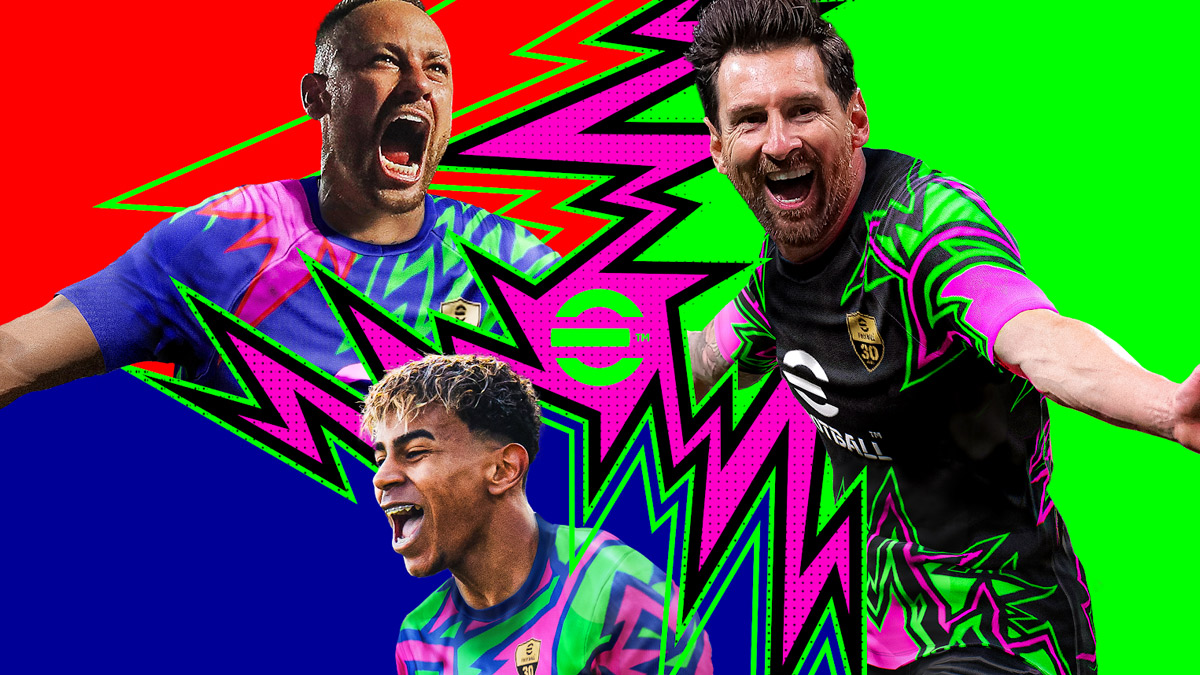
MUMBAI: When cricket meets football in the virtual world, even the biggest fans can’t help but score and Konami’s latest eFootball campaign in India has clearly hit the back of the net. Konami Digital Entertainment has successfully wrapped up its India campaign for eFootball, which brought together cricketers Rinku Singh and Varun Chakravarthy, actors Naslen Gafoor and Chandu Salim Kumar, and footballers Sahal Abdul Samad and Shubhasish Bose. The multi-star campaign generated strong excitement across gaming, football, and creator communities through social content, fan participation, and in-game engagement.
Building on the initial launch that featured a limited-time Lionel Messi card, the campaign united fan communities, lifestyle creators, football creators, and competitive eFootball influencers. It significantly expanded the game’s visibility and deepened engagement with fans across the country.
The campaign also saw thousands of entries submitted as part of its social media engagement challenge, reflecting high levels of community enthusiasm and active creator involvement.
Looking ahead, Konami plans to build on this momentum with more eFootball experiences for Indian fans as the FIFA World Cup 2026 approaches. With global attention on the tournament set to rise, India will remain a key market for deepening community engagement and bringing fans closer to the action.
In a country that lives and breathes sport, Konami has shown that mixing real-world stars with virtual thrills is a winning formula leaving fans eagerly waiting for the next goal.






