News Broadcasting
Aryans to feature in etc’s ‘pop ki aandhi’

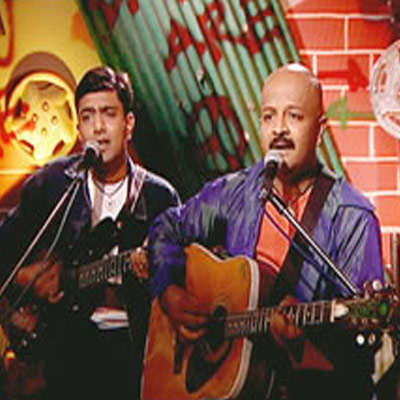
Etc music is will present Aryans in its Chit Chaat show to be aired on Wednesday 21 April at 7:30 pm. The show will be anchored by Suresh Menon, this time in the garb of Ashok Kumar.
Aryans recently had given a fine show in their latest album Hai Dil. In the show, the band members Narayan, Sadu, Yakub, Jogi and Atul will be treating the viewers with extempore singing and musical instruments.
Pop Ki Aandhi is a special slot, which is dedicated to the personalities from the music industry. In this slot, etc features one musician or music group every fortnight.

Aryans will talk in length with Suresh Menon about the long wait they had before Hai Dil and about the offers they are receiving for providing background scores in films.
“We wanted to give our best. That is why we waited until we were satisfied with our songs, music and composition.”
Then we have something on nudity. “We do not believe in nudity. If your music is good then you don’t need all this absurd gimmickry to sell. You need naked girls only if you copy the music of others or your own music is bad”. Says Narayan.
On a question hurled at Narayan, a malayalee, about having not sung a malyalee pop song, we have this gem: ” have you ever seen a pop singer in lungee?”
In between chats, Narayan, Sadu, and Atul will sing songs from their album while Yakub and Jogi will give them company with instrumental music. The album consists of some soulful songs like Kahan Gaye Woh Din, Dil Akelaa Hai and Jaane Kaun Saa Rastaa and also some peppy numbers like Jee Chahtaa Hai.


News Broadcasting
CNN-News18 to host Fury in the Gulf conclave on West Asia crisis
Three-hour summit to unpack geopolitical fallout and impact on India
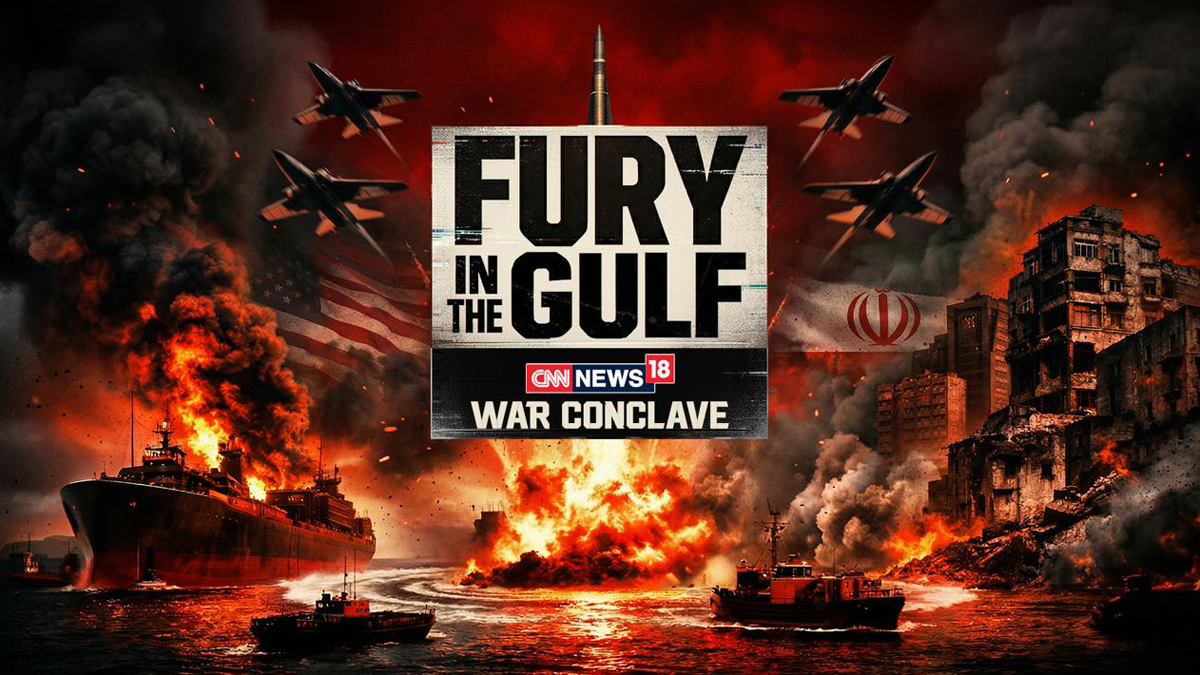
MUMBAI: CNN-News18 is set to host a special three-hour broadcast, Fury in the Gulf – War Conclave, on April 7, aiming to decode the escalating West Asia crisis and its far-reaching implications for India.
Scheduled from 4:00 PM to 7:00 PM, the conclave comes at a time when tensions between Iran and the United States are reshaping global geopolitics and triggering economic uncertainty. With India’s deep energy ties, trade links and large diaspora in the Gulf, the developments carry significant domestic relevance.
Built around the theme ‘Conflict, Consequences, and The Future,’ the programme will feature six curated sessions combining one-on-one interviews and panel discussions. The focus is to cut through the clutter and offer viewers a clearer understanding of the fast-evolving situation.
Key sessions include ‘Diplomacy in Times of War’ featuring Shashi Tharoor, and ‘World After the Iran Conflict’ with voices such as Ram Madhav, Reuven Azar, representatives from the European Union and the Iranian Deputy Envoy. Another session titled ‘Another Dunkirk?’ will bring together K. J. S. Dhillon and Jitin Prasada among others.
CNN-News18 editorial affairs director Rahul Shivshankar said, “In times of war, clarity becomes the most powerful tool. Fury in the Gulf – War Conclave brings together credible voices to address the questions and confusion that arise amid an overwhelming influx of information.”
He added that the initiative is aimed at delivering “facts, perspective, and insight” at a time when misinformation can easily cloud public understanding.
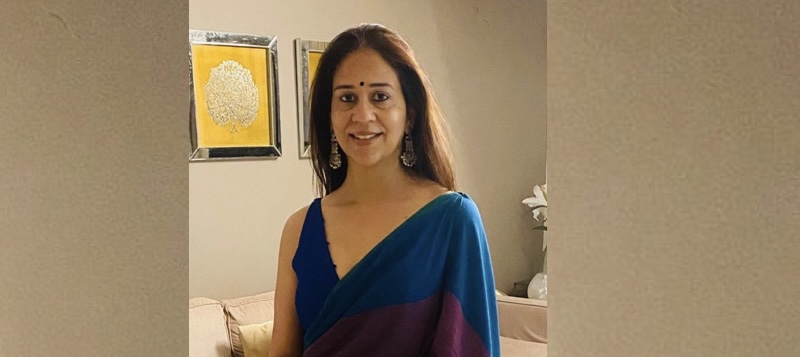
Echoing the sentiment, CNN-News18 CEO– English and business news Smriti Mehra said the conflict marks a defining global moment, with consequences that extend well beyond the region. She noted that the conclave seeks to present the crisis with “depth, nuance and responsibility” so audiences can better grasp its real-world impact.
As geopolitical tensions continue to dominate headlines, the conclave positions itself as an attempt to bring order to the noise, offering viewers a structured, insight-led look at a complex and rapidly shifting global situation.






