News Broadcasting
Arnab Goswami decries efforts to stop BARC ratings, seeks MIB help

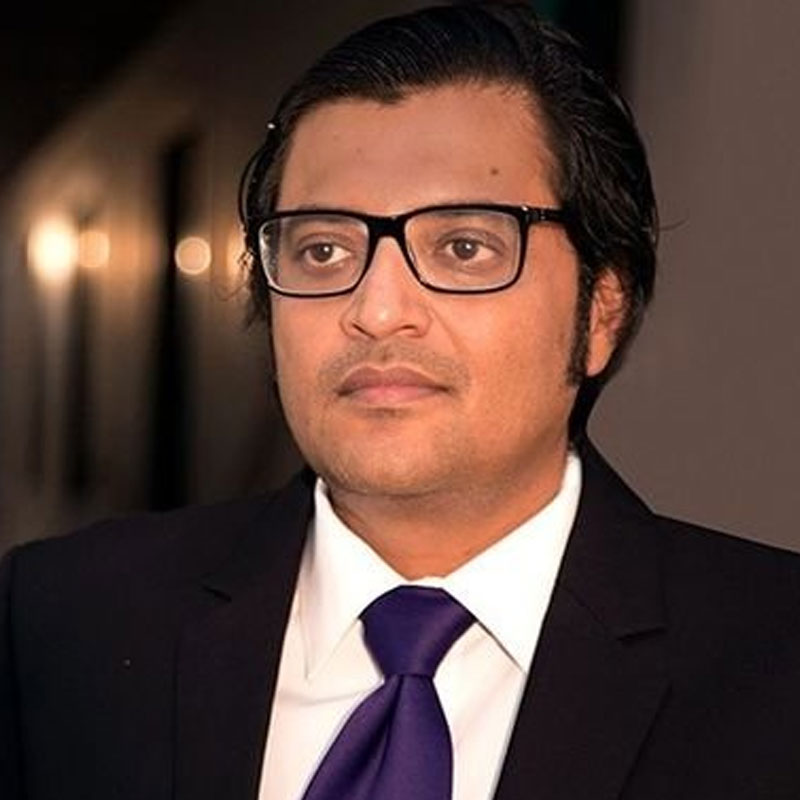
MUMBAI: News Broadcasting Federation (NBF) has sought the urgent intervention of union information and broadcasting minister Prakash Javadekar to prevent vested interests from stopping the publication of TV ratings.
NBF president Arnab Goswami has said in a letter addressed to the minister that there have been attempts made by some vested interests to put pressure via the ministry to stop the publication of ratings measured by BARC at a time when news channels work round the clock in this national effort against COVID-19.
Arnab wrote in the letter: “I am informed that some of these vested interests, who are trying to stop ratings in this period, are doing so to protect their commercial interests, and falsely claiming to represent the news broadcasting industry of India.”

He requested the minister not to allow any such decision or any such communication from MIB or anyone associated with the ministry to BARC. According to him, such a move by vested interests is worrying news broadcasters and taking their attention away from the collective goal of defeating COVID-19, ensuring the lockdown is successful and the country comes through this together.
He warned the minister that if such a move is implemented, it will destroy the news broadcasting industry in India, which is doing an incredible job at this crucial juncture.
“You are aware that the efforts of the news channels have been appreciated by one and all, including the prime minister in his recent video conference with owners and editors of some news channels. In order to continue the effort, which in this period involves creation of informative and relevant news content while covering the entire country at a time when communication and transport is not easy, our hundreds of thousands of professionals are working round the clock, and taking this battle on the frontlines to ensure that COVID 19 is defeated,” Arnab wrote to the minister.
If news channels also face a situation when ratings are stopped, we will be destroyed and our organisations will be at peril, said the NBF president. He reminded the minister that while individual channels or bodies may claim to speak for the news broadcasters, they are only defending their short-term interests.
He also reminded the minister that news broadcasters are completely dependent on publication of TV ratings to run their business. “We are doing committed public service broadcasting in this period of national emergency,” he stated.
The latter has been copied to the relevant authorities at BARC for their information as well.




News Broadcasting
CNN-News18 to host Fury in the Gulf conclave on West Asia crisis
Three-hour summit to unpack geopolitical fallout and impact on India
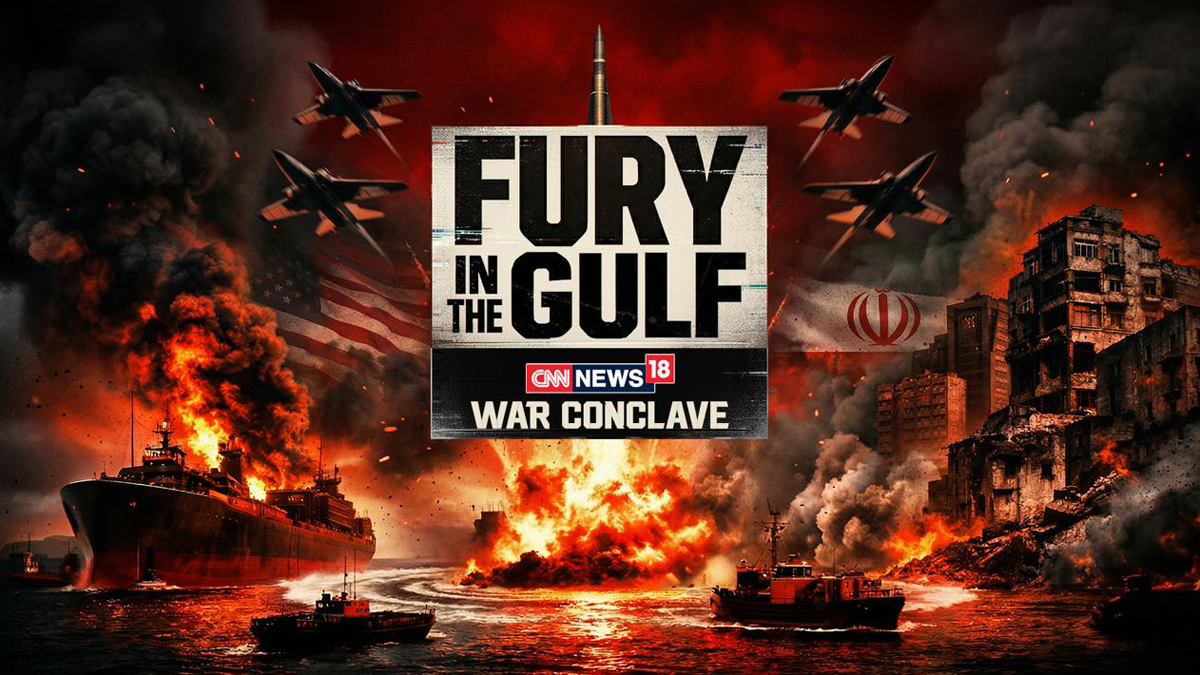
MUMBAI: CNN-News18 is set to host a special three-hour broadcast, Fury in the Gulf – War Conclave, on April 7, aiming to decode the escalating West Asia crisis and its far-reaching implications for India.
Scheduled from 4:00 PM to 7:00 PM, the conclave comes at a time when tensions between Iran and the United States are reshaping global geopolitics and triggering economic uncertainty. With India’s deep energy ties, trade links and large diaspora in the Gulf, the developments carry significant domestic relevance.
Built around the theme ‘Conflict, Consequences, and The Future,’ the programme will feature six curated sessions combining one-on-one interviews and panel discussions. The focus is to cut through the clutter and offer viewers a clearer understanding of the fast-evolving situation.
Key sessions include ‘Diplomacy in Times of War’ featuring Shashi Tharoor, and ‘World After the Iran Conflict’ with voices such as Ram Madhav, Reuven Azar, representatives from the European Union and the Iranian Deputy Envoy. Another session titled ‘Another Dunkirk?’ will bring together K. J. S. Dhillon and Jitin Prasada among others.
CNN-News18 editorial affairs director Rahul Shivshankar said, “In times of war, clarity becomes the most powerful tool. Fury in the Gulf – War Conclave brings together credible voices to address the questions and confusion that arise amid an overwhelming influx of information.”
He added that the initiative is aimed at delivering “facts, perspective, and insight” at a time when misinformation can easily cloud public understanding.
Echoing the sentiment, CNN-News18 CEO– English and business news Smriti Mehra said the conflict marks a defining global moment, with consequences that extend well beyond the region. She noted that the conclave seeks to present the crisis with “depth, nuance and responsibility” so audiences can better grasp its real-world impact.
As geopolitical tensions continue to dominate headlines, the conclave positions itself as an attempt to bring order to the noise, offering viewers a structured, insight-led look at a complex and rapidly shifting global situation.






