iWorld
Appeals Court allows Netflix to proceed with lawsuit challenging Fox’s employment contracts


MUMBAI: A California court has finally paved the way for Netflix to take on 20th Century Fox. Cancelling an appeal from Fox, a three-judge panel has allowed the streaming giant to take forward a lawsuit that seeks to invalidate Fox’s fixed-term employment agreements.
The conflict between the two giants in the global entertainment industry started back in 2016. Two executives of the company including Tara Flynn, a former development executive at Fox 21 TV Studios and Marcos Waltenberg, a former Fox film marketing executive left the company in that year.
Fox, infuriated by the incidents, sued Netflix blaming the latter for illegally poaching two of its executives and encouraging to break employment contracts.

Following the suit, Netflix responded with a counter-suit alleging those deals were unenforceable. It also argued that Fox was compelling employees to stay in the company against their will.
Fox sought to throw out the Netflix countersuit with an anti-SLAAP motion arguing that it concerned protected speech. However, a Los Angeles Superior Court judge rejected the motion. Again, the appeal court judges upheld the ruling. After the decision, the initial suit and the counter-suit will now proceed at the trial court level.
“The acts that supply the elements of Netflix’s claims are Fox’s alleged business practices of utilizing fixed-term agreements with allegedly unlawful and restrictive clauses and selectively determining which employees will be allowed to terminate those contracts early,” the judges found as per media reports.







Gaming
Nodwin Gaming partners with Runestone for esports data and integrity solutions
South Asian esports leader joins forces with Czech tech firm to enhance tournament operations.
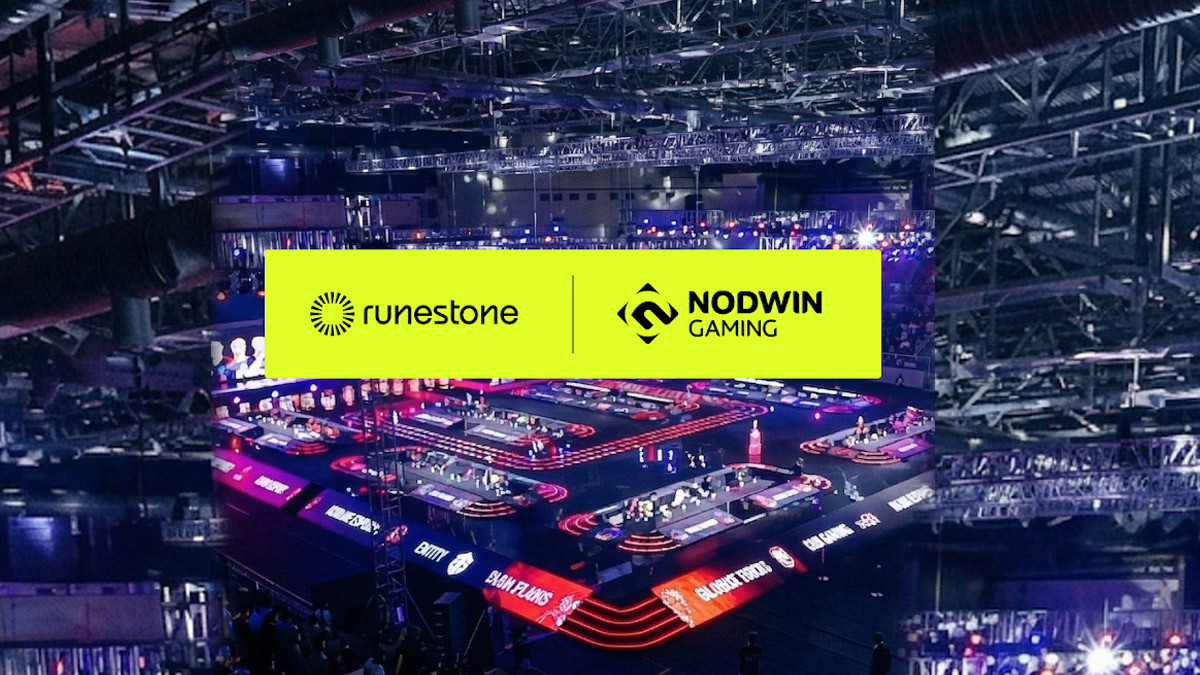
MUMBAI: Nodwin Gaming has just levelled up its game by bringing in a specialist to keep the scoreboard honest and the fans fully engaged. The leading South Asian esports and gaming company has announced a strategic partnership with Runestone, a Prague-headquartered esports technology firm specialising in real-time data and engagement solutions for tournament organisers and publishers.
The collaboration aims to strengthen competitive integrity, improve operational oversight, and deliver more interactive viewing experiences across Nodwin’s properties. It will initially focus on the Nodwin Clutch Series for Counter-Strike 2, a Tier 2 tournament that provides emerging teams with consistent competitive opportunities and helps build the talent pipeline.
The latest edition of the series recently concluded with Big defeating ECSTATIC 2–1 in the grand final of the $50,000 online event.
Nodwin Gaming chief business officer at MENA and global head of data monetization Teemu Koski said, “Integrity and transparency are fundamental to sustainable esports ecosystems, especially in Tier 2 competition where the next generation of talent emerges. Runestone’s expertise complements our experience in building scalable esports IPs.”
Runestone head of partnerships Michael Schwartz added, “Nodwin Gaming has built one of the most dynamic esports ecosystems across emerging markets. We’re thrilled to collaborate on supporting tournaments with greater transparency, deeper fan interaction, and scalable tools.”
Both companies are exploring opportunities to extend the partnership across additional titles, including mobile-first competitive ecosystems, and to develop new products for publishers, tournament operators, and event promoters.
In the rapidly growing world of esports, where fair play and fan excitement are equally crucial, Nodwin Gaming and Runestone are teaming up to ensure every match is not only competitive but also transparent and engaging. This alliance could well become a game-changer for Tier 2 tournaments across South Asia and beyond.







