iWorld
Animation industry anticipating OTT revolution by 2020

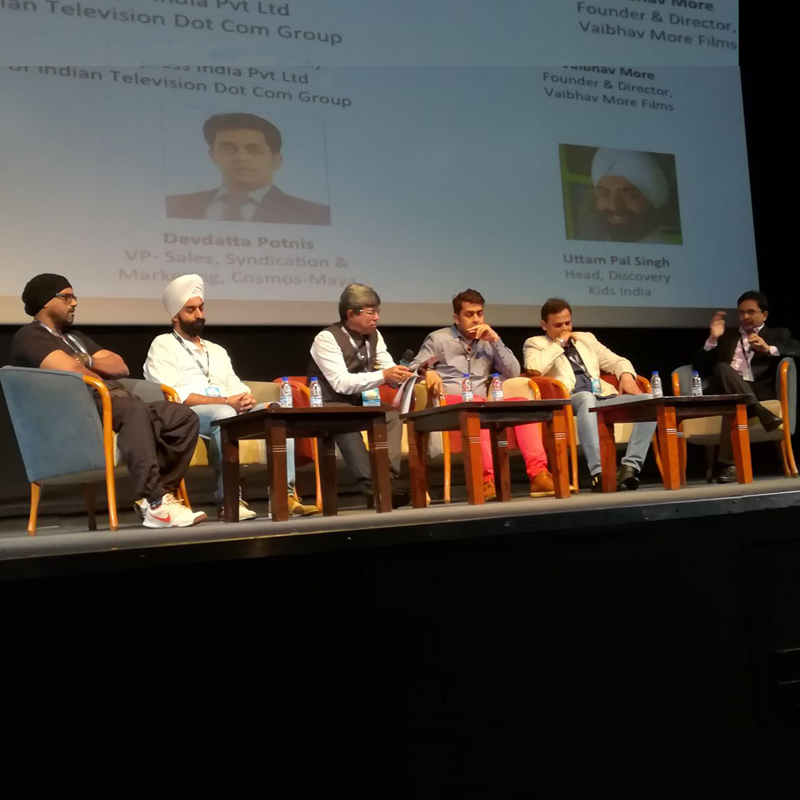
MUMBAI: As 2018 kick-started its journey with a bang, the question contemplated by broadcasters and the animation production segment was whether or not the media and entertainment industry was in the favour of animation. Animationxpress.com’s Spark Connect event saw a session on ‘2018, an animated year for the Indian Industry?’ with panellists—Toonz Media Group national head of marketing Kishor Srivastav, Green Gold Animation chief strategy officer Srinivas Chilakalapudi, Cosmos-Maya syndication, marketing and sales VP Devdatta Potnis, Discovery Kids India head of content Uttam Pal Singh and Vaibhav More Films founder and director Vaibhav More. The panel was moderated by Indiantelevision.com and Animationxpress.com founder, CEO and editor-in-chief Anil Wanvari.
Potnis said that the rise of over-the-top (OTT) platforms had enabled content to reach tier II and III cities via smartphone penetration. Online was a dominant factor in 2017 and was likely to turn the tables in the next two to three years. Srivastav added that in 2011, the average consumption of a common Indian was 450 hours a year, which shot up to 6050 hours in 2017, aided by online videos in which animation had a big role to play.
Potnis also pointed out that kids were demanding regional animation content. He added that this was being driven by OTT and the local market. His company is soon to launch a spinoff of Motu Patlu soon. Discovery’s Singh highlighted that new IP creation is definitely on the cards but one needs to figure out the right stories and characters. He admitted that Discovery Kids wasn’t among the top brands and that the channel is going through a reinvention. Though creating an IP is difficult, he said that there isn’t any fatigue setting in.

Srivastav touched upon the facets that make Korean animation content work in India. “We need to create IPs for young adults and kids. The storytelling needs to be simple,” he said. He predicts that there will be more IP creation happening in India by 2018-2020. Creating one takes at least two to three years and not benefitting it is the lack of finance due to the low trust in the industry. He said that a creator needs at least Rs 4-5 crore to produce a series, as well as government incentives. Working with foreign companies doesn’t entail a tax but local production is stamped with a 15 per cent GST. He spoke of countries that provide up to 40 per cent subsidies with Singapore establishing it at 25 per cent and Malaysia creating a fund for animation producers. Such initiatives are what India lacks.
The advertising industry has also become judicious in its spending. Clients today are cautious in the areas they spend. They are also aware of the impact of the animation industry and are willing to shell out a higher amount if the quality is good.
OTT is surely the focus of even animation producers today. Knowing its power and potential and the reach it has to India and the world’s youth, the players are anticipating the boom in the next few years.
Also Read :
Kids prefer entertainment over edutainment on TV
Japanese kids’ content going strong despite home-grown onslaught






iWorld
OpenAI hits back at Elon Musk’s lawsuit ahead of trial
Company calls claims “baseless” and accuses Musk of trying to disrupt a rival.
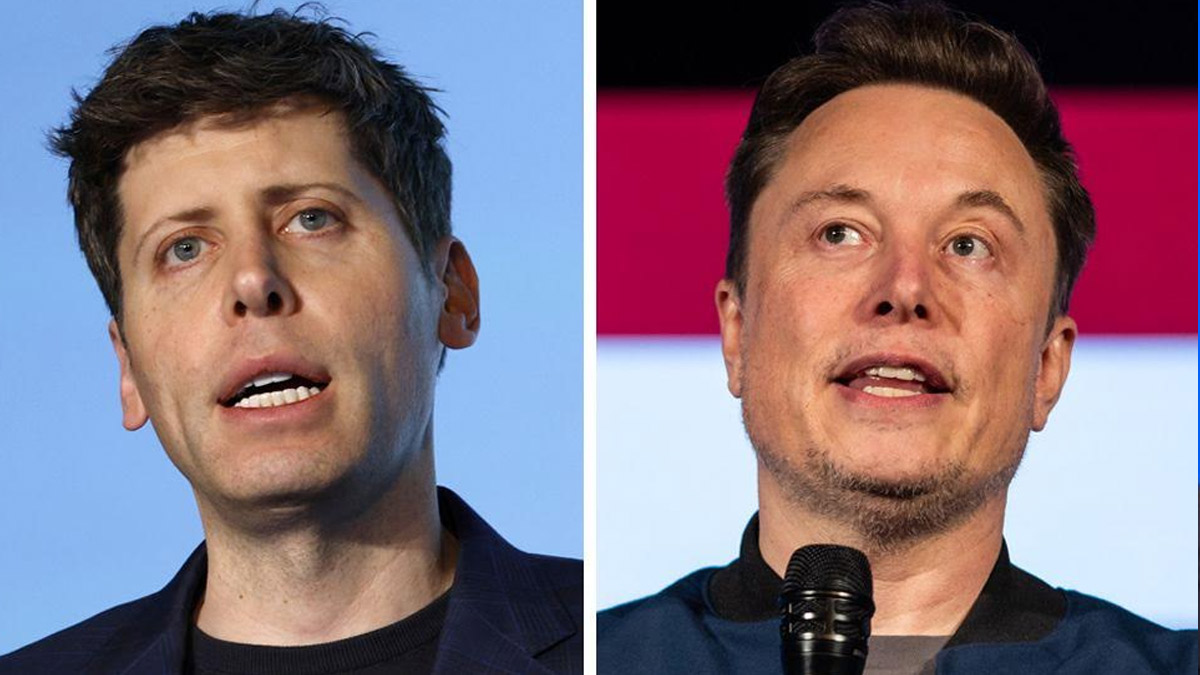
MUMBAI: When the stakes are measured in billions and egos are involved, even Silicon Valley titans can turn a courtroom into a battlefield. OpenAI has issued a sharp public response to Elon Musk’s ongoing lawsuit, accusing the billionaire of filing the case to harass a competitor rather than address genuine concerns. In a strongly worded statement shared on its official X account, OpenAI described Musk’s allegations as “baseless” and suggested the lawsuit is an attempt to disrupt the company as the case heads toward trial later this month in Oakland, California.
The response comes after Musk’s legal team recently amended the complaint, proposing that any damages potentially exceeding $150 billion should go to OpenAI’s nonprofit entity rather than to Musk personally. OpenAI questioned the timing and motive behind this change, calling it a late-stage attempt to “pretend to change his tune” on the nonprofit structure.
The company further labelled the lawsuit a “harassment campaign”, arguing that Musk’s actions are driven by personal rivalry, ego, and a desire for greater control and financial upside.
At the heart of the dispute is Musk’s claim that OpenAI has abandoned its original nonprofit mission of developing artificial intelligence for the benefit of humanity. A co-founder who left in 2018, Musk is seeking governance changes, including the removal of CEO Sam Altman from the nonprofit board, and the return of certain financial gains linked to Altman and President Greg Brockman.
OpenAI has firmly rejected these allegations, maintaining that its current hybrid structure, a public-benefit corporation overseen by a nonprofit parent remains true to its long-term goals. The company has also previously accused Musk of anti-competitive behaviour aimed at weakening its leadership.
As the case prepares for a jury trial, this public exchange highlights the deepening rift between two of the most influential figures in the AI revolution and raises broader questions about governance, mission, and power in the fast-moving world of artificial intelligence.
In the high-stakes game of AI, it seems the real drama isn’t just inside the models, it’s playing out in courtrooms too.






