Hindi
Amitabh Bachchan unveils Mahatma Gandhi’s statue in London

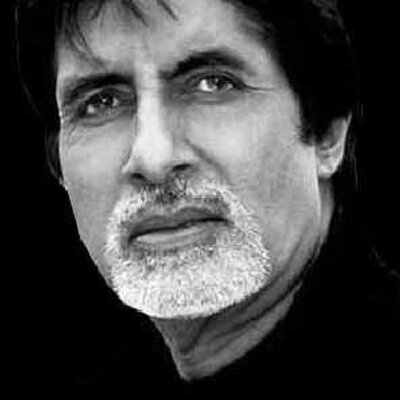
NEW DELHI: Amitabh Bachchan unveiled a statue of Mahatma Gandhi at Parliament Square in London in the presence of British Prime Minister David Cameron and Finance Minister Arun Jaitley. Bachchan said he was honoured, humbled and felt touched.
Bachchan also read out an excerpt from Gandhi’s The World of Tomorrow on the occasion at the unveiling over the weekend. Gopal Gandhi, grandson of the Mahatma, was also present, apart from Lord Meghnad Desai and his wife.

In a message on Twitter, Bachchan later said the respect and dignity given to him was so humbling. Prior to the unveiling, he described the forthcoming event as ‘nerve trepidation.’
“A historic moment and a historic presence. I am honoured and humbled. I am so touched and honoured to have been given this pride of place at this most prestigious occasion,” Bachchan wrote on his official blog srbachchan.tumblr.com.
The statue is the result of efforts of the Gandhi Statue Memorial Trust (London) and its trustee Lord Meghnad Desai. The large size nine foot bronze statue of Mahatma Gandhi has been made by British sculptor Philip Jackson, who depicted it from Gandhi’s photographs wrapped in a shawl to shield himself from London’s cold during his visit to 10 Downing Street, London, in 1931 as the leader of Indian National Movement.







Hindi
Zee5 and Applause Entertainment team up for whodunnit ‘Everybody Loves Sohrab Handa’
Rajat Kapoor directs star-studded murder mystery streaming from 10 April.
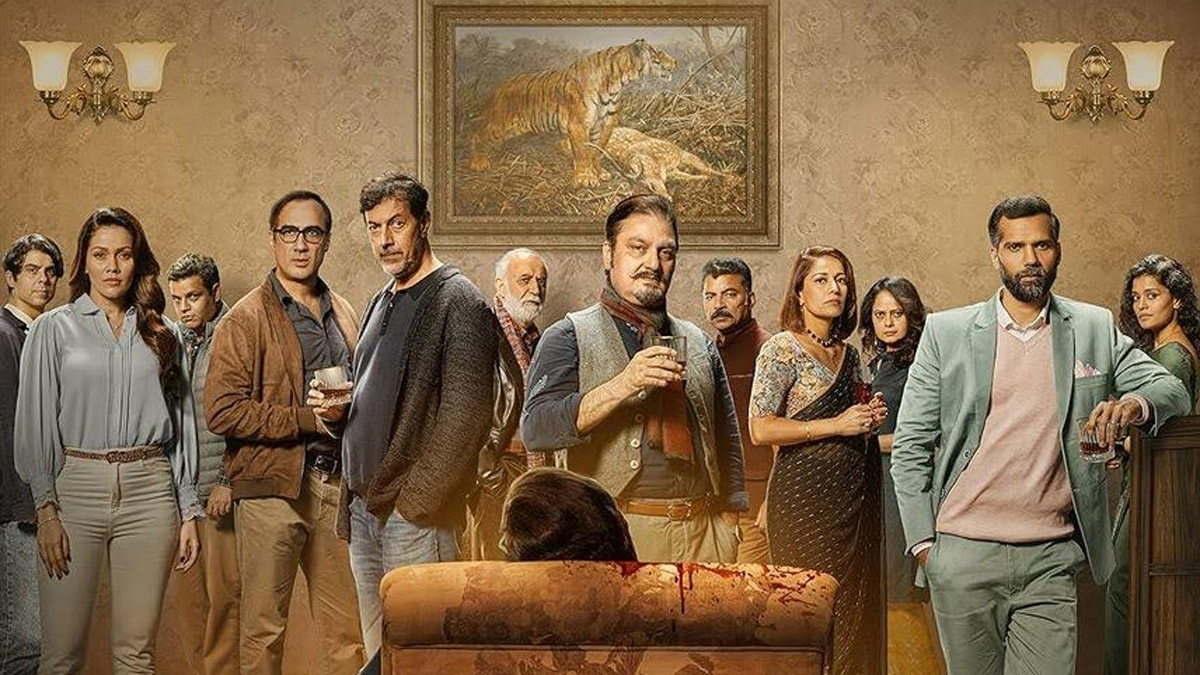
MUMBAI: Zee5 is serving up another killer collaboration and this time, the murder mystery comes with a generous side of dark humour and family dysfunction. The streaming platform has partnered with Applause Entertainment and Mithya Talkies to bring Everybody Loves Sohrab Handa, a fresh, twisted whodunnit written and directed by acclaimed filmmaker and actor Rajat Kapoor. The film will stream exclusively on Hindi Zee5 from 10 April.
The movie reimagines the classic murder mystery genre with a contemporary, darkly comic edge. It revolves around a group of friends and family who smile, drink, and celebrate together until the silence snaps and long-buried secrets spill out. The stellar ensemble cast includes Vinay Pathak, Ranvir Shorey, Waluscha De Sousa, Saurabh Shukla, Chandrachoor Rai, Neil Bhoopalam, Koel Purie, Palomi Ghosh, and Rajat Kapoor himself.
This latest offering continues the successful partnership between Zee5 and Applause Entertainment, which has previously delivered diverse hits such as Mithya, Bloody Brothers, and Jab Khuli Kitaab.
&TV Business Head of hindi Zee5 and chief channel officer Kaveri Das said, “Our collaboration with Applause Entertainment has consistently delivered distinct, high-impact storytelling. Everybody Loves Sohrab Handa is a natural progression, reinforcing our focus on genre-led content with a compelling whodunnit premise and a strong ensemble cast.”
Applause Entertainment business head for movies Sunil Chainani added, “This film adds yet another compelling layer to our slate with Rajat Kapoor’s unmistakable voice.”
Rajat Kapoor shared, “What interested me was not just the mechanics of a whodunnit, but the emotional violence that precedes physical violence. These are people who smile at each other, but there’s so much that is not said.”
The film promises razor-sharp writing, layered performances, and simmering tension, inviting viewers not just to solve the crime but to unravel the complex relationships at its heart.
If you love a good murder mystery served with wit and emotional depth, Everybody Loves Sohrab Handa looks set to be your next addictive watch. Mark your calendars, the whodunnit drops on Hindi Zee5 from 10 April.






