iWorld
Amazon Prime plans to add more originals & evaluating regional content

MUMBAI: Amazon Prime is loading its platform with worthwhile content with each passing month and week. It is moving swiftly on having original as well as acquiring aggregated content. Now, it has plans to add more originals, and is also looking at having regional content. Amazon has content deals with Mukesh Bhatt’s Vishesh Films, Karan Johar’s Dharma Productions, and Bhushan Kumar’s T-Series for their existing and upcoming films.
In India, apart from reportedly being in the neck-and-neck IPL race as it aims to bring exclusive cricket content to its viewers, it has recently signed up deals with superstar Salman Khan, reputed filmmakers — Farhan Akhtar and Ritesh Sidhwani. Amazon Prime Video announced a first-of-its-kind, worldwide exclusive content deal with Salman Khan Ventures which made Amazon the exclusive streaming home of future titles of Khan commencing with the recently released Tubelight.
Amazon Prime Videos has said that it would roll out three more original series by the end of 2017 calendar year. The move comes as its first India-produced series has found a favourable global audience. Amazon Prime director & country head Nitesh Kripalani told BusinessLine that they were looking to create content which could also be taken to the global market. Original content would be the key differentiator, he added.

The OTT arm of Amazon has also partnered with around 50 content creators and production houses to enhance its offerings including Excel Media, Phantom Films (Stardust), Big Synergy (Vishpuri) and AIB.
Original content is a plan that Amazon follows in the global market. It streams series such as You are wanted in Germany, Hitoshi Matsumoto for Japan, and The Man in the High Castle in the US.
Kripalani said that the company was evaluating regional content. India was like many countries within a country where stories were quite different region-wise. The company was looking at the regional market. he added.
Prime Video head of content – Asia Pacific James Farrell has said that India was a top priority market for Amazon and they believed that the love India has for films, the passion, the energy and the talent of India needed to be on a worldwide stage for the global audience. Kripalani is on threshold of unleashing the streaming service’s first Indian original — Inside Edge, with, voila, all of only 10 episodes on 10 July across 240 countries.
Also Read:
Amazon India head Nitesh Kripalani’s amazing growth recipe
ALTBalaji now available on Amazon’s Fire TV stick globally
Eros Now available with free Amazon Fire TV subs






iWorld
OpenAI hits back at Elon Musk’s lawsuit ahead of trial
Company calls claims “baseless” and accuses Musk of trying to disrupt a rival.
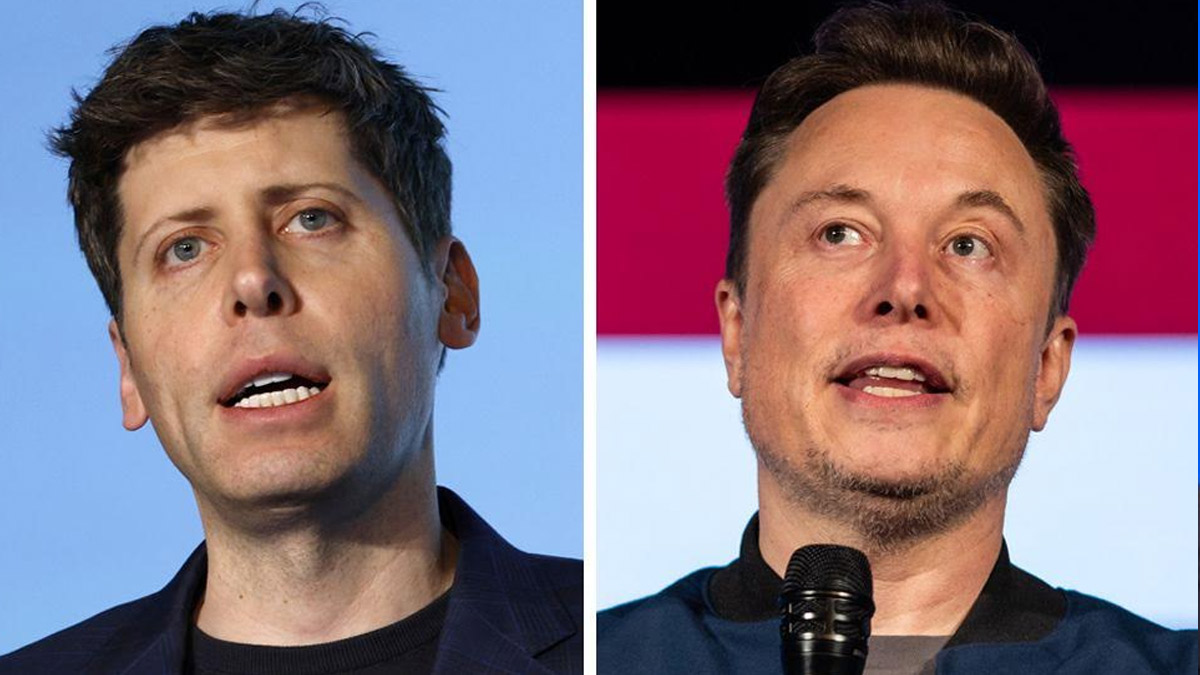
MUMBAI: When the stakes are measured in billions and egos are involved, even Silicon Valley titans can turn a courtroom into a battlefield. OpenAI has issued a sharp public response to Elon Musk’s ongoing lawsuit, accusing the billionaire of filing the case to harass a competitor rather than address genuine concerns. In a strongly worded statement shared on its official X account, OpenAI described Musk’s allegations as “baseless” and suggested the lawsuit is an attempt to disrupt the company as the case heads toward trial later this month in Oakland, California.
The response comes after Musk’s legal team recently amended the complaint, proposing that any damages potentially exceeding $150 billion should go to OpenAI’s nonprofit entity rather than to Musk personally. OpenAI questioned the timing and motive behind this change, calling it a late-stage attempt to “pretend to change his tune” on the nonprofit structure.
The company further labelled the lawsuit a “harassment campaign”, arguing that Musk’s actions are driven by personal rivalry, ego, and a desire for greater control and financial upside.
At the heart of the dispute is Musk’s claim that OpenAI has abandoned its original nonprofit mission of developing artificial intelligence for the benefit of humanity. A co-founder who left in 2018, Musk is seeking governance changes, including the removal of CEO Sam Altman from the nonprofit board, and the return of certain financial gains linked to Altman and President Greg Brockman.
OpenAI has firmly rejected these allegations, maintaining that its current hybrid structure, a public-benefit corporation overseen by a nonprofit parent remains true to its long-term goals. The company has also previously accused Musk of anti-competitive behaviour aimed at weakening its leadership.
As the case prepares for a jury trial, this public exchange highlights the deepening rift between two of the most influential figures in the AI revolution and raises broader questions about governance, mission, and power in the fast-moving world of artificial intelligence.
In the high-stakes game of AI, it seems the real drama isn’t just inside the models, it’s playing out in courtrooms too.






