iWorld
Amazon MX Player-Shikhar Dhawan form a superhit jodi for free entertainment


MUMBAI: Entertainment just got a lot more exciting!
Amazon MX Player, fresh off Amazon’s acquisition of its key assets, is out to prove that it’s not just another streaming service—it’s the free entertainment revolution India’s been waiting for.
And how does it plan to do that? By launching a hilarious new campaign starring cricketer Shikhar Dhawan and social media sensation Orry, the ultimate “Superhit Jodi” redefining OTT coolness.

Amazon MX Player’s latest campaign screams one thing: free entertainment, no strings attached. Amazon MX Player, head of marketing, product & tech Aruna Daryanani shared, “Our vision is to bring premium-quality content to every Indian without any cost. The ‘Shikhar x Orry’ campaign highlights this promise with a dash of humour and a whole lot of fun. Whether it’s cricket, comedy, or content, Amazon MX Player is here to deliver on all fronts!”
Can we take a moment to appreciate the brilliance of this dynamic duo? Pairing Dhawan’s effortless cool with Orry’s hilarious charm is nothing short of genius.
Dhawan summed up his excitement, saying, “Entertainment, like cricket, unites people. Collaborating with Amazon MX Player was a joyride. The ‘Shikhar x Orry’ campaign perfectly reflects the fun and inclusivity of this platform. Amazon MX Player is raising the bar in free entertainment, and I’m thrilled to be a part of it.”
Orry chimed in, adding his signature flair, “Shooting this campaign was pure fun! Pairing with Shikhar brought all the ‘jodi vibes.’ Amazon MX Player’s commitment to providing free, top-notch content makes it a game-changer. Can’t wait for audiences to experience this fresh, fun concept!”
What makes Amazon MX Player the real MVP?
1 No T&C, Just Free: Forget subscriptions. Amazon MX Player is 100% free.
2 Content Galore: From international hits to new originals and Bollywood classics, they’ve got it all.
3 Accessibility: Available on mobile apps, Connected TVs, Amazon Shopping, Prime Video, and Fire TV.
4 Genre Wonderland: Romance, drama, thrillers, action—you name it, they stream it.
With such a massive library, the “Watch Free, No T&C” promise ensures everyone gets to enjoy the magic of OTT without breaking the bank.
This isn’t just about free content. It’s about a platform that genuinely understands its audience. From cricket fans to meme creators, Amazon MX Player is all set to connect with millions. Plus, who doesn’t want to laugh along with Shikhar and Orry?
Amazon MX Player has you covered (for free). Ready to binge?






iWorld
Samay Raina confirms return of India’s Got Latent after controversy
Still Alive mixes humour and reflection as comedian revisits 2025 row
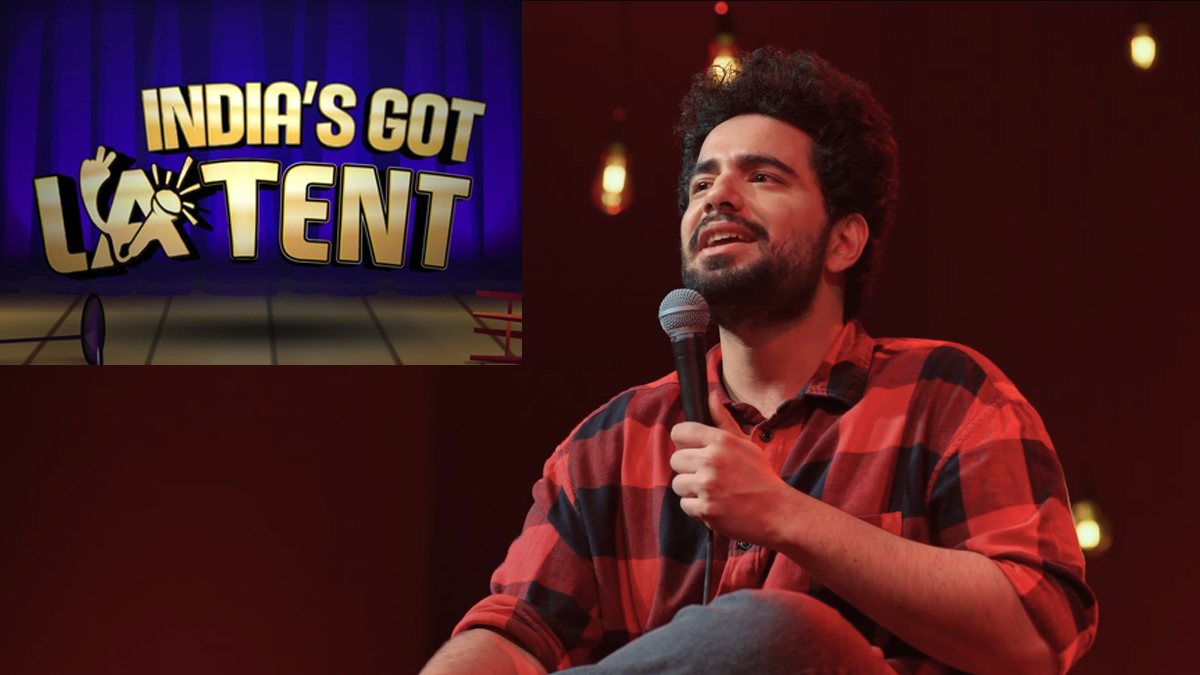
MUMBAI: Samay Raina has signalled a possible return of his controversial show India’s Got Latent, using his latest stand-up special Still Alive to address the past and hint at what lies ahead.
Released on YouTube, the special marks Raina’s most candid take yet on the backlash that forced the show off air in 2025. While much of the performance leans on humour, it also dips into more reflective territory, offering a glimpse into the emotional toll of the controversy.
Recounting the fallout, YouTube comedian samay raina said, “We were both extremely unsettled. How would we navigate this? It was terrifying. We were lost as to what was happening.” He also spoke about a moment involving fellow comedian Balraj Ghai’s family, describing it as overwhelming and difficult to process.
The personal impact of the episode came through most strongly when Raina spoke about his family. He admitted he struggled to even answer a call from his mother during the crisis. YouTube comedian samay raina said, “I hesitated to answer her call and show my tear-streaked face. How would she react? My mom is unaware of anything except how to love.”
Amid the introspection, Raina also dropped a clear hint about the future of his show. While he believes the first season ended on a high note, he confirmed that he intends to revive it. YouTube comedian samay raina said, “I will bring back the show because it used to be fun making it.”
The original run of India’s Got Latent had been pulled down following widespread criticism and legal scrutiny over controversial remarks that went viral, prompting debates around content boundaries in India’s digital entertainment space. Raina later removed episodes and issued an apology, stepping back from major releases for a period.
His return now appears more measured, blending humour with reflection and signalling a creative reset. He also hinted that the next iteration of the show could be more raw and unfiltered, though details remain under wraps.
For fans, the takeaway is simple. The show that sparked both laughter and debate may be gearing up for a second act, with Raina ready to test the limits once again, this time with a sharper sense of where the lines lie.






