iWorld
Amazon miniTV announces content partnership with Pocket Aces


Mumbai: Amazon’s free video entertainment service miniTV has announced a partnership with digital entertainment company Pocket Aces. As part of this partnership, Pocket Aces will bring its repertoire of web series to miniTV starting with “Adulting” season three that will premiere exclusively on the platform on 12 November.
Starring Aisha Ahmed and Yashaswini Dayama, “Adulting” is a coming-of-age story about two young women trying to handle the responsibilities of being independent adults in the past paced, urban bustle of Mumbai.
Some of the other shows that will exclusively release on miniTV as part of this collaboration over the coming months are “Please Find Attached” – season three (starring Barkha Singh and Ayush Mehra) and ‘Crushed” – season one (starring “Noor” fame Rudraksh Jaiswal and Aadhya Anand who debuted in the film “A Yellow Bird”).

“We are proud to partner with Pocket Aces to bring quality entertainment to our hundreds and millions of customers in India for free!” said the head of Amazon Advertising Harsh Goyal. “Starting with the third season of the popular show ‘Adulting’, this is an alliance that will play an instrumental role in further bolstering our exclusive content offering.”
“Pocket Aces’ mission is to entertain audiences wherever they are spending time, and hence the association with Amazon miniTV as one of the launch partners really resonates with us,” said Pocket Aces co-founder and chief executive officer Aditi Shrivastava. “In a country such as India, being able to offer high-quality content for free to audiences ensures huge reach and accessibility. We’re very excited about our slate starting with proven IPs such as ‘Adulting’ and ‘Please Find Attached’, and then building brand news properties such as ‘Crushed’ and others. With the way it is shaping up, we are sure that miniTV can become one of the most loved content apps in India, and we’re excited to be a part of that growth.”






Gaming
Sony raises PS5 prices for second time in under a year
US disc edition jumps $100 to $649.99 as memory costs surge.
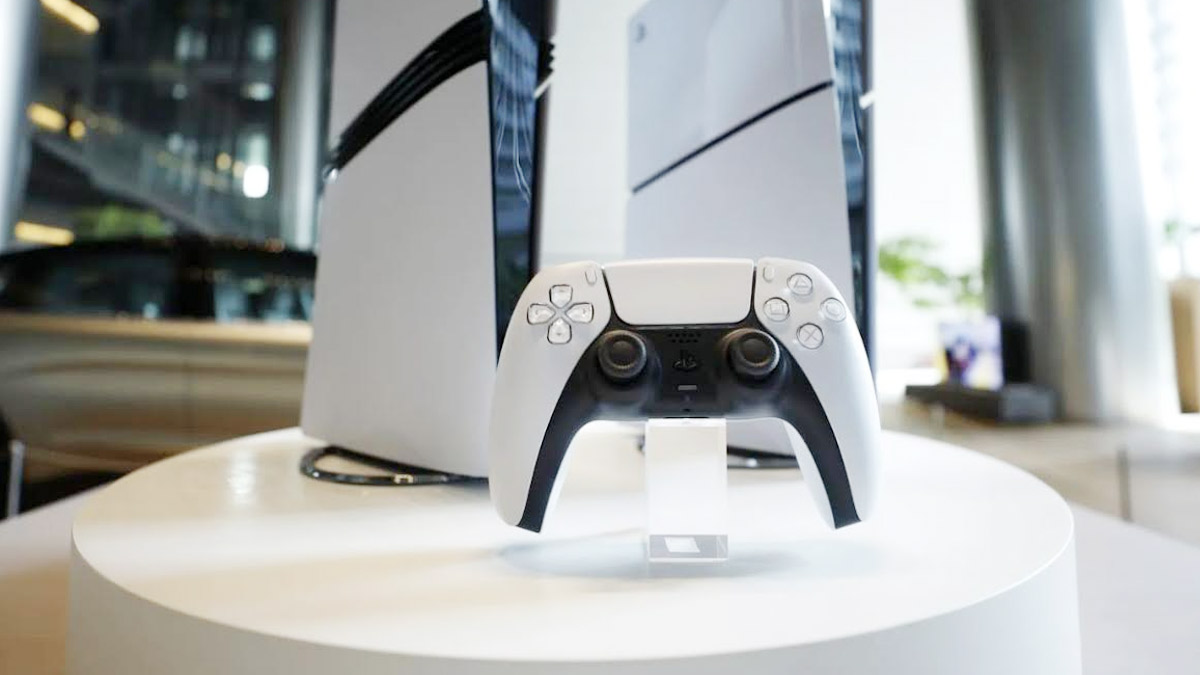
MUMBAI: Sony just hit the pause button on affordable gaming because when memory prices skyrocket, even the Playstation has to pay the premium. Sony has announced its second price increase for the Playstation 5 range in less than a year, citing pressures in the global economic landscape and a sharp rise in memory component costs driven by AI demand.
In the US, the PS5 disc edition will rise from $549.99 to $649.99, a $100 hike while the digital edition increases to $599.99. The more powerful PS5 Pro will jump $150 to $899.99. The Playstation Portal remote player will also rise by $50 to $249.99. The new prices take effect on 2 April 2026.
Similar increases have been applied in the UK (£90 per model), Europe and Japan. Sony last raised PS5 prices in the US in August 2025.
“We know that price changes impact our community, and after careful evaluation, we found this was a necessary step to ensure we can continue delivering innovative, high-quality gaming experiences to players worldwide,” Sony said in a blog post.
The hikes come amid an unprecedented surge in memory prices, as manufacturers prioritise supply for AI data centres. Analysts say Sony had likely secured price protections for components that have now expired, forcing the company to protect its hardware margins.
Ampere Analysis research director of games Piers Harding-Rolls told CNBC that further increases from Microsoft and Nintendo would not be surprising, though Nintendo may hesitate to raise the price of its recently launched Switch 2 while establishing the new platform.
The increases arrive eight months before the highly anticipated release of GTA 6, which is expected to drive strong console sales. However, early reactions online have been a mix of disappointment and resignation, with growing concern that premium gaming is increasingly becoming a hobby for higher-income players.
In a sector already grappling with tariffs, inflation and component shortages, Sony’s move underscores a tough reality: even the most popular consoles are not immune to the rising cost of keeping up with the latest technology.








