iWorld
Akshay Paul joins Newgen Gaming founding team as CMO

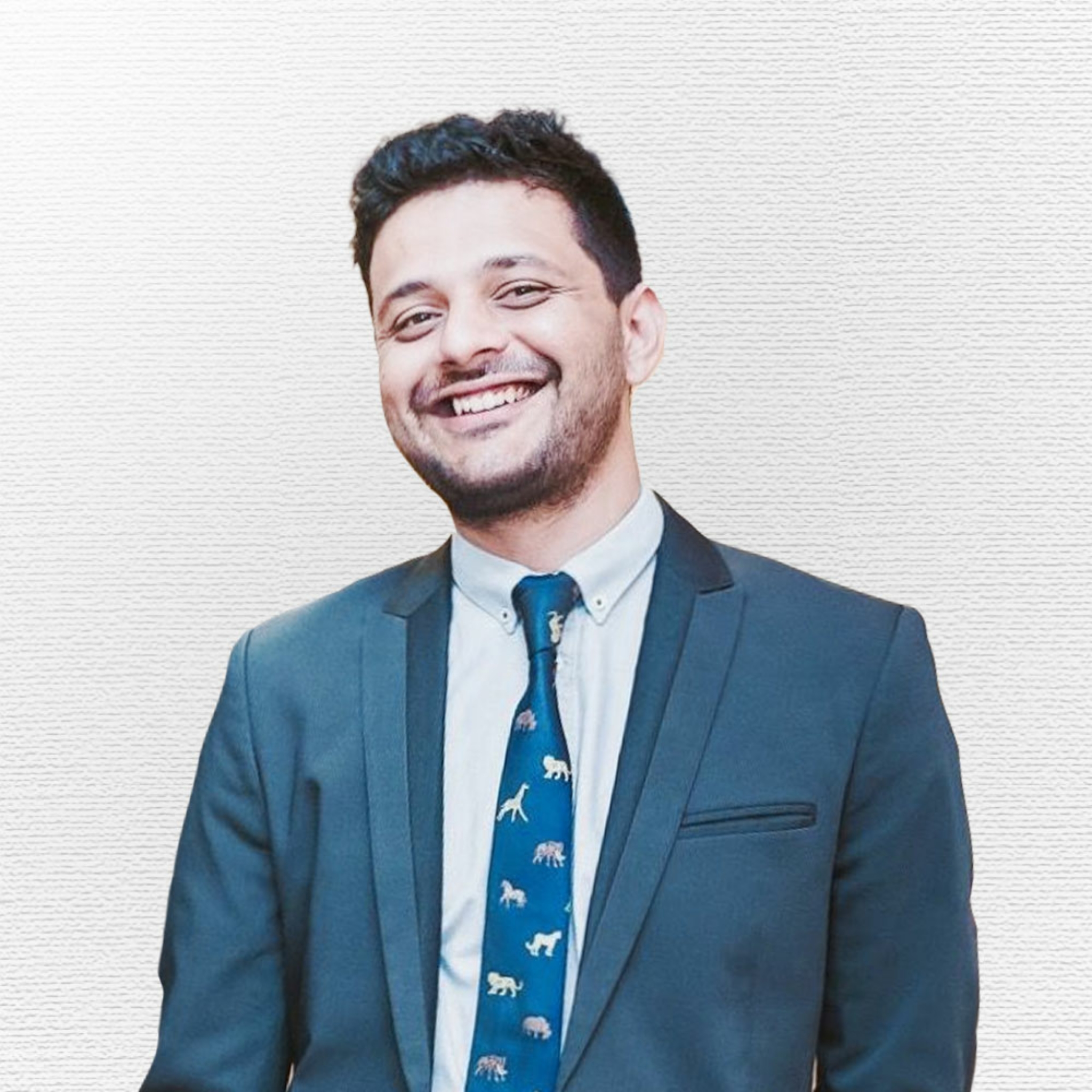
Mumbai: Homegrown gaming and esports company Newgen Gaming on Wednesday named Akshay Paul as the co-founder and chief marketing officer (CMO). Newgen Gaming operates in esports with its brand, Penta Esports.
Paul will be working closely with the other co-founders and the executive team alike to chart out strategies, forge partnerships and lead the branding and marketing initiatives, said the company in a statement.
Prior to joining Newgen Gaming, Paul worked with health and wellness company GOQii as head of marketing and before that, as marketing lead for games at Reliance Jio Infocomm.

Newgen Gaming, co-founder and CEO, Anurag Khurana said, “Our plan is to scale up the business rapidly and contribute to the fast-moving esports industry. With his immense experience, we are confident that Akshay will lead the team to successfully mark our place in the growing esports ecosystem.”
Paul has more than a decade of rich experience in product and marketing management and has been a part of known brands like Ubisoft, Reliance Games, and JetSynthesys, among others.
Talking about his new role, Paul said, “I have been a gamer and an esports enthusiast since I can remember. Having played competitively myself, I know the thrills of the sport. I am excited to join the amazing team at Newgen Gaming – Penta Esports, who have some exciting plans for the esports ecosystem in India.”





iWorld
OpenAI hits back at Elon Musk’s lawsuit ahead of trial
Company calls claims “baseless” and accuses Musk of trying to disrupt a rival.
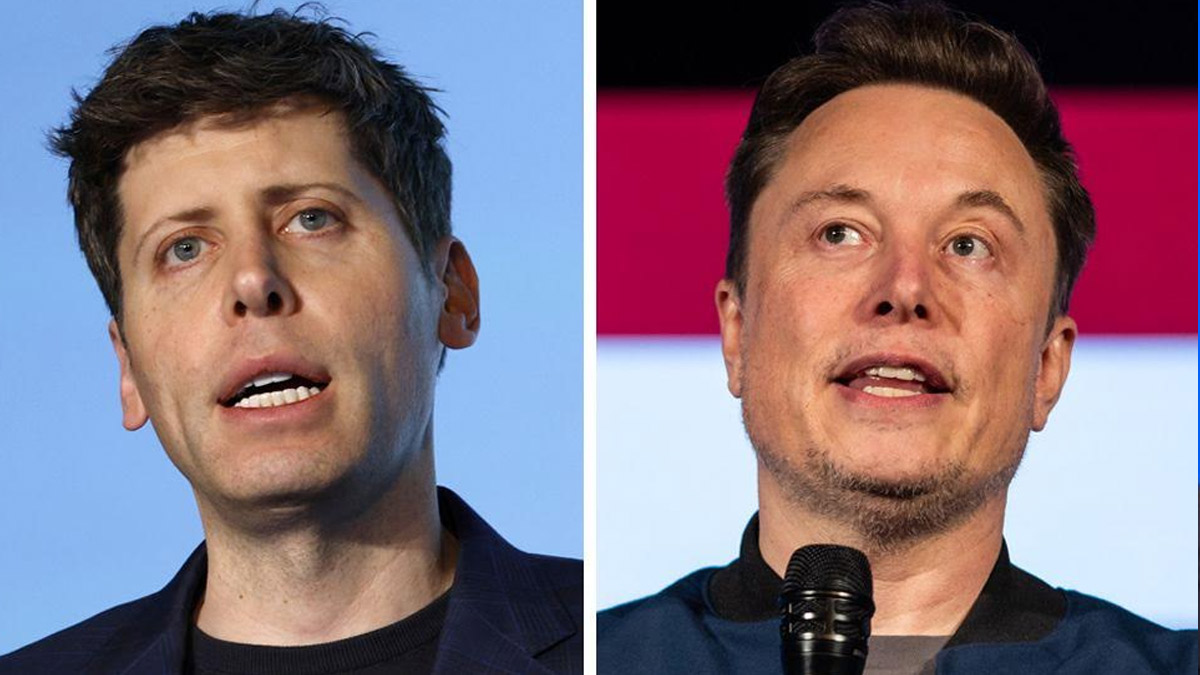
MUMBAI: When the stakes are measured in billions and egos are involved, even Silicon Valley titans can turn a courtroom into a battlefield. OpenAI has issued a sharp public response to Elon Musk’s ongoing lawsuit, accusing the billionaire of filing the case to harass a competitor rather than address genuine concerns. In a strongly worded statement shared on its official X account, OpenAI described Musk’s allegations as “baseless” and suggested the lawsuit is an attempt to disrupt the company as the case heads toward trial later this month in Oakland, California.
The response comes after Musk’s legal team recently amended the complaint, proposing that any damages potentially exceeding $150 billion should go to OpenAI’s nonprofit entity rather than to Musk personally. OpenAI questioned the timing and motive behind this change, calling it a late-stage attempt to “pretend to change his tune” on the nonprofit structure.
The company further labelled the lawsuit a “harassment campaign”, arguing that Musk’s actions are driven by personal rivalry, ego, and a desire for greater control and financial upside.
At the heart of the dispute is Musk’s claim that OpenAI has abandoned its original nonprofit mission of developing artificial intelligence for the benefit of humanity. A co-founder who left in 2018, Musk is seeking governance changes, including the removal of CEO Sam Altman from the nonprofit board, and the return of certain financial gains linked to Altman and President Greg Brockman.
OpenAI has firmly rejected these allegations, maintaining that its current hybrid structure, a public-benefit corporation overseen by a nonprofit parent remains true to its long-term goals. The company has also previously accused Musk of anti-competitive behaviour aimed at weakening its leadership.
As the case prepares for a jury trial, this public exchange highlights the deepening rift between two of the most influential figures in the AI revolution and raises broader questions about governance, mission, and power in the fast-moving world of artificial intelligence.
In the high-stakes game of AI, it seems the real drama isn’t just inside the models, it’s playing out in courtrooms too.






