Applications
AI: The human aspect


Everyone is talking about AI; how it can lead to better solutions and cost-effective ones at that. While we have seen some marvelous results of the magic that AI can perform across automated and non-automated functions, there is one troubling aspect about the deployment of this new genie in our hands.
This one aspect is the following fact: no one technology has ever threatened the livelihoods of human resources as this one. Earlier this month we had a top IT industry figure calling out the fact that all call-center resources could be redundant in the future as Chatbots would reach an almost ‘human-like’ level in intelligent responses very soon. This would lead to imminent huge numbers of lay-offs. Earlier in the year, we had the whole Hollywood crew and actors up in arms against what big studios planned to do with AI, at cost to all writers and small actors. The latter won, albeit in an elongated stand-off.
The case for cost-cutting is simple and understandable. In advertising, for example, expensive and expansive shoots can sometimes be done away with by a simple sleight of hand using AI. A lot of tools are available nowadays which help put up backgrounds, locations etc., in any image or even create fresh images. We can now do things in layouts and copy which were hard to do earlier. Communication thus can look and read well and nice and good.

The moot point though simply is this: Till now, tech had almost always emerged as a means of democratisation. You see people across social strata using phones as a means to enhance convenience, value and ROI. The PC, likewise, was a big equalizer. AI on the other hand, at least right now, is seen as a threat. It is seen as a device in the hands of big capital to replace the lower rungs of real human intelligence. Unlike the phone or the PC, AI is being looked at as a cost-reduction tool. This is not wrong in itself; it is just that this should not be the only aim. Tech cannot and should not have a side-effect like this.
Where does this leave a country like India which had driven into the IT boom globally with great expertise at low cost as a key USP? Would replacing people with bots help out in a more tech-equal world? Yes, we can surely look at ourselves as innovators in creating newer algorithms and creating more wonders to get to the next big frontiers of AI; but that is a case of sharpening the axe continuously.
Technology is something that needs to help humankind, if not all animal-kind, as a whole. For it to be treated as a tool which capitalists wield to their own interests, would be to diminish the ideals that science and tech have stood for. We must see how AI can better help what humans can do and not replace what humans can do. This, or any other technology, should never emerge as something that widens the economic divide between the top and the bottom. In fact, all tech should bridge these increasing gaps in an ideal world.
PS: One joke doing the rounds is that one would have rather thought that AI took over (from humans) manual labor like cleaning and washing rather than pleasurable work like painting and creating.
The article has been authored by GOZOOP Group president Mohit Ahuja.






Applications
With 57 per cent single new users, Ashley Madison rebrands as discreet dating platform
Platform says majority of new members now identify as single
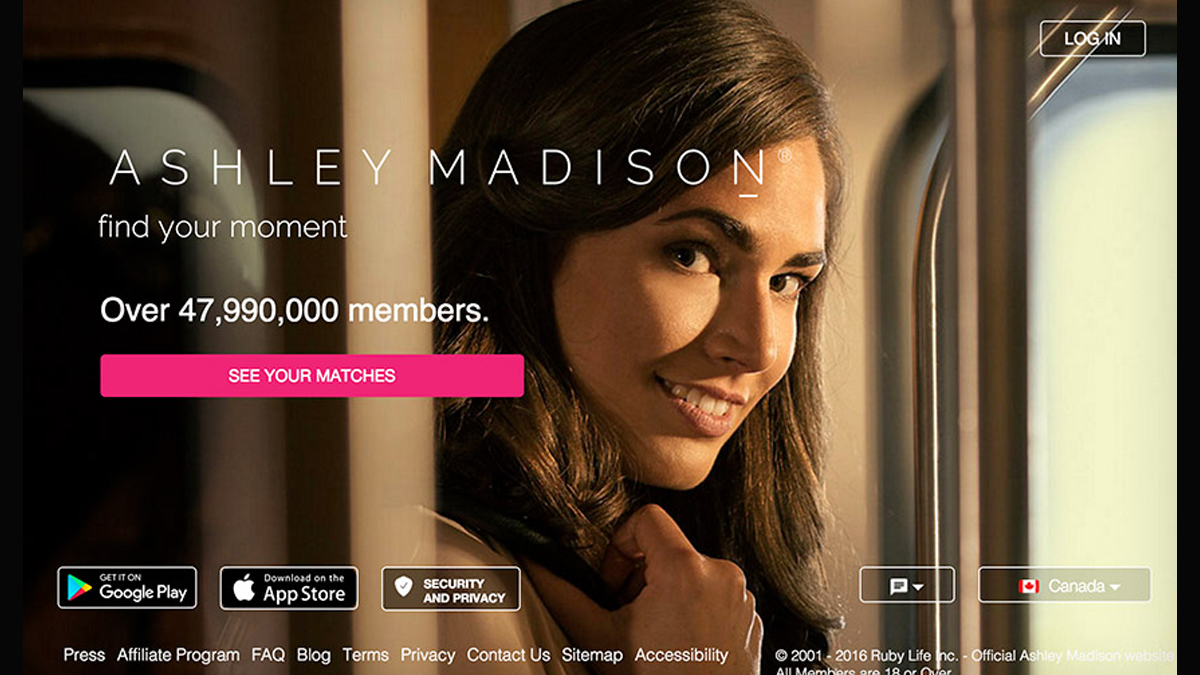
INDIA: Ashley Madison is shedding the “married-dating” label that defined it for two decades, repositioning itself as a platform for discreet dating in what it calls the post-social media age.
The rebrand, unveiled in India on 27 February, 2026, marks a structural shift in business model and identity. Once synonymous with married dating, the company now describes itself as the “premier destination for discreet dating” under a new tagline: Where Desire Meets Discretion.
The pivot is data-driven. Internal figures show that 57 per cent of global sign-ups between 1 January and 31 December, 2025 identified as single: a notable departure from the platform’s married core. The company argues that its community has already evolved beyond its original positioning.
“In an age where our lives have been constantly put on public display, privacy has become the new luxury,” said Ashley Madison chief strategy officer Paul Keable. He framed the platform’s offering as “ethical discretion” for singles, separated, divorced and non-monogamous users seeking private connections.
The shift also taps into wider digital fatigue. A global survey conducted by YouGov for Ashley Madison, covering 13,071 adults across Australia, Brazil, Canada, Germany, India, Italy, Mexico, Spain, Switzerland, the UK and the US, found mounting discomfort with hyper-public online lives.
Among dating app users, 30 per cent cited constant swiping and messaging as a source of fatigue, while 24 per cent pointed to pressure to curate public-facing profiles and early personal disclosure. Some 27 per cent said fears of screenshots or information being shared contributed to exhaustion; an equal share cited unwanted attention.
The retreat from oversharing appears broader. According to the survey, 46 per cent of adults actively try to keep most aspects of their life private online. Only 8 per cent feel comfortable sharing most aspects publicly, while 35 per cent say they are becoming more selective about what they disclose.
Ashley Madison is betting that this cultural recalibration towards controlled visibility can be monetised. By doubling down on privacy infrastructure and reframing itself around discretion rather than infidelity, the company is attempting to convert reputational baggage into a premium proposition.