News Headline
Advertising to grow 8% in 2012: Lodestar UM CEO Shashi Sinha

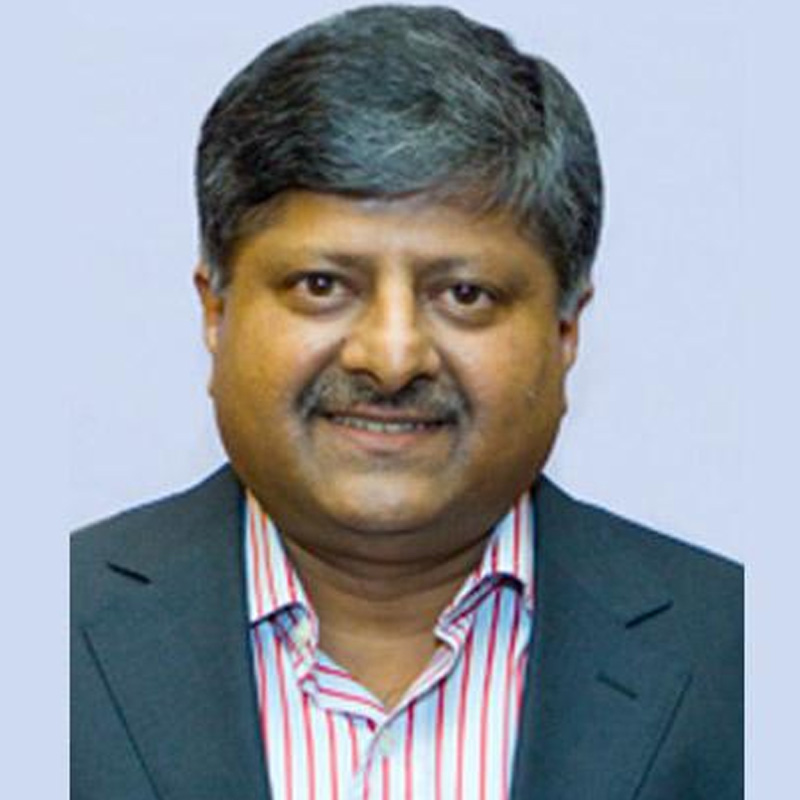
The slowdown pinch was not felt in 2011. It was marked by the cricket World Cup and, along with the Indian Premier League, the first eight months were healthy as brands and advertisers spent a lot.
Total TV advertising spend went up by 16-18 per cent last year. Ad growth on print, however, was slow and there were many categories that didn‘t spend on the medium. In our case, we were lucky as Tata Motors is a big spender on print.

TV and print in combine account for around 85 per cent of India‘s total ad spend. I don’t think that has changed. TV has grown dramatically because of the World Cup and other tournaments that were telecast.
The total ad spend in the country is estimated to be Rs 330 billion. The other mediums – radio, outdoor, digital and cinema – contribute about 15-16 per cent. The slowdown in 2011 had to do a lot with specific clients and industries. The sentiment definitely changed after Diwali, but the overall numbers were not really affected.
Today with so much viewership fragmentation and more channels launching to fill up niches, it is becoming costlier to reach out to the same audiences. The whole ecosystem is gaining as advertisers have to spend more money to target the same audience. It is because of fragmentation that a lot of positive things are happening.
There is much talk about digital and, though the total ad spend on that medium is just Rs 15 billion, it is occupying the mindset. I am not sure whether critical mass will come or not but a lot of people realise that the ad spend pattern will change dramatically in the future; they are talking about different forms like search, display, engagement or content.
The big change that is happening is that people have started believing that digital has to be integrated into our plans. Unlike the US and other western countries, India is outer-directed. People in western countries do lots of stuff online and they have no time for family; Indians, on the other hand, spend more time with the family and go out to consume entertainment. Radio, Outdoor, activations in malls and Cinema is going to grow. It is not that digital will grow at the expense of something else; it will all complement each other. So, unlike the west where digital grew rapidly, in India it will not grow on value terms or size because it is too small. It may grow in percentage but in absolute numbers it may not be very big.
In 2012, ad spend may grow 7-8 per cent increase. FMCG companies may not face a problem as they are seeing growth and there is expansion from the rural markets. Even in case of automobiles where there is tough competition, let us not forget that India is still underpenetrated and not even 7-8 per cent of people own cars.
Slowdown in advertising will be talked about, but large organised players will be there both in terms of value and volumes; it is the smaller companies that may be affected.
The two points to highlight here are:
- The ability to get the data and capture the right database in a country like India is a big challenge and it is going to multiply day by day because the country is too huge and complex. You will have to have the ability to track audiences which are across multiple touch points and multiple mediums. This will remain a big challenge because you will have to reach out to the right audiences.
- Convert mindset that finally you aren‘t buying GRPs. You will have to finally deliver what the client wants.
The future is in performance driven models and databases that can track complex consumers.







NEW DELHI: Hamdard Laboratories gathered a cross-section of India’s achievers in New Delhi on Friday, handing out the Hakeem Abdul Hameed Excellence Awards to figures who have left their mark across healthcare, education, sport, public service and the arts.
The ceremony, attended by minister of state for defence Sanjay Seth and senior officials from the ministry of Ayush, celebrated individuals whose work blends professional success with a sense of public purpose. It was as much a roll call of achievement as it was a reminder that influence is not measured only in profits or podiums, but in people reached and lives improved.
Among the headline awardees was Alakh Pandey, founder and chief executive of PhysicsWallah, recognised for turning affordable digital learning into a mass movement. On the sporting front, Arjuna Awardee and kabaddi player Sakshi Puniya was honoured for her contribution to the game and for pushing women’s participation onto bigger stages.
The cultural spotlight fell on veteran lyricist and poet Santosh Anand, whose songs have echoed across generations of Hindi cinema. At 97, Anand accepted the honour with characteristic humility, reflecting on a life shaped by perseverance and hope.
Healthcare honours spanned both modern and traditional systems. Manoj N. Nesari was recognised for strengthening Ayurveda’s place in national and global health frameworks. Padma shri Mohammed Abdul Waheed was honoured for his research-backed work in Unani medicine, while padma shri Mohsin Wali received recognition for his long-standing contribution to patient-centred care.
Education and social development also featured prominently. Padma shri Zahir Ishaq Kazi was honoured for decades of work in education, while former Meghalaya superintendent of Police T. C. Chacko was recognised for public service. Goonj founder Anshu Gupta received an award for his dignity-centred rural development initiatives, and the Hunar Shakti Foundation was honoured for empowering women and young girls through skill development.
The Lifetime Achievement Award went to former IAS officer Shailaja Chandra for her long career in public healthcare and governance, particularly in the traditional systems under Ayush.
Speaking at the event, Hamdard chairman Abdul Majeed said the awards were a tribute to those who combine excellence with empathy. “These awardees reflect Hakeem Sahib’s belief that healthcare, education and public service must ultimately serve humanity,” he said.
Minister Seth struck a forward-looking note, saying India’s young population gives the country a unique opportunity to become a global destination for learning, health and wellness by 2047.
The ceremony also featured the trailer launch of Unani Ki Kahaani, an upcoming documentary starring actor Jim Sarbh, set to premiere on Discovery on 11 February.
Instituted in memory of Unani scholar and educationist Hakeem Abdul Hameed, the awards have grown into a national platform that celebrates those building a more inclusive and resilient India. For one evening at least, the spotlight was not just on success, but on service with substance.