News Broadcasting
Abetment case: Arnab Goswami granted interim bail by Supreme Court

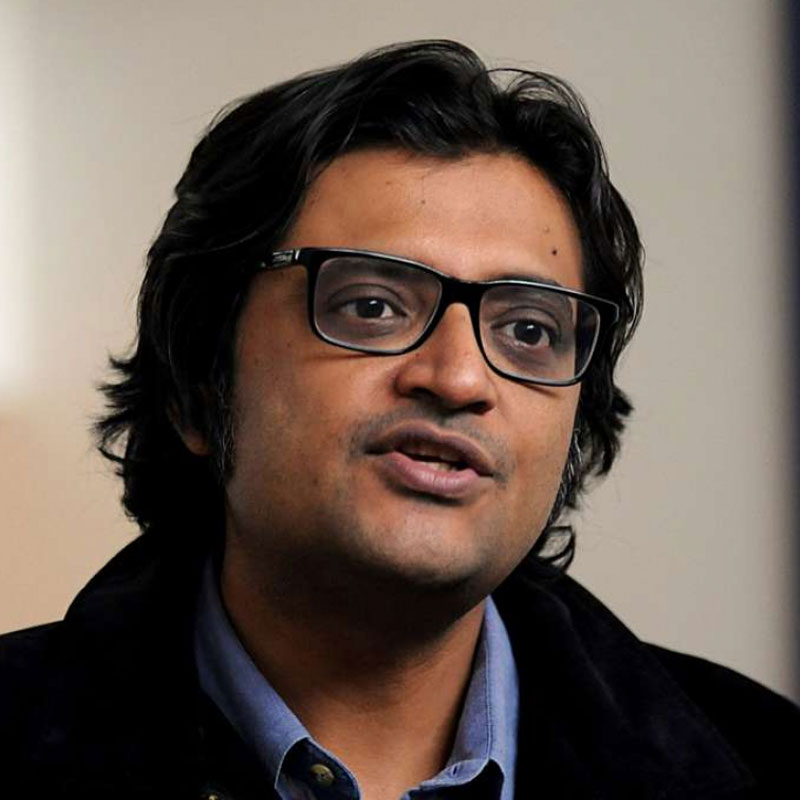
NEW DELHI: In a major relief to Republic TV editor-in-chief Arnab Goswami, the Supreme Court has granted him interim bail in a 2018 case of abetment to suicide of interior designer Anvay Naik and his mother. The top court also allowed the interim release of the co-accused Neetish Sarda and Firoze Mohammed Sheikh.
The accused are required to execute a personal bond for an amount of Rs 50,000 for release on interim bail. They have also been directed to cooperate with the investigation and should not interfere with the witnesses.
A vacation bench comprising justices D Y Chandrachud and Indira Banerjee passed the order after an urgent hearing given to the pleas challenging the order of the Bombay high court, which denied the accused interim bail in the habeas corpus petitions filed by them challenging their ‘illegal’ custody.

The Supreme Court stated that the Bombay HC was in error in rejecting the application for grant of interim bail and failed to exercise its jurisdiction to protect the personal liberty of a citizen.
"If this court does not interfere today, we are travelling on the path of destruction. Forget this man. You may not like his ideology. Left to myself, I will not watch his channel. Keep aside everything. If this is what our state governments are going to do to people who are to be nailed, then the Supreme Court has to intervene. There has to be a message to HCs- Please exercise your jurisdiction to uphold personal liberty. We are seeing case after case. HCs are failing to exercise jurisdiction. People are in jail for tweets," justice Chandrachud remarked.
Goswami was arrested from his Mumbai residence on 4 November and was sent to 14-day judicial custody.





News Broadcasting
CNN-News18 to host Fury in the Gulf conclave on West Asia crisis
Three-hour summit to unpack geopolitical fallout and impact on India
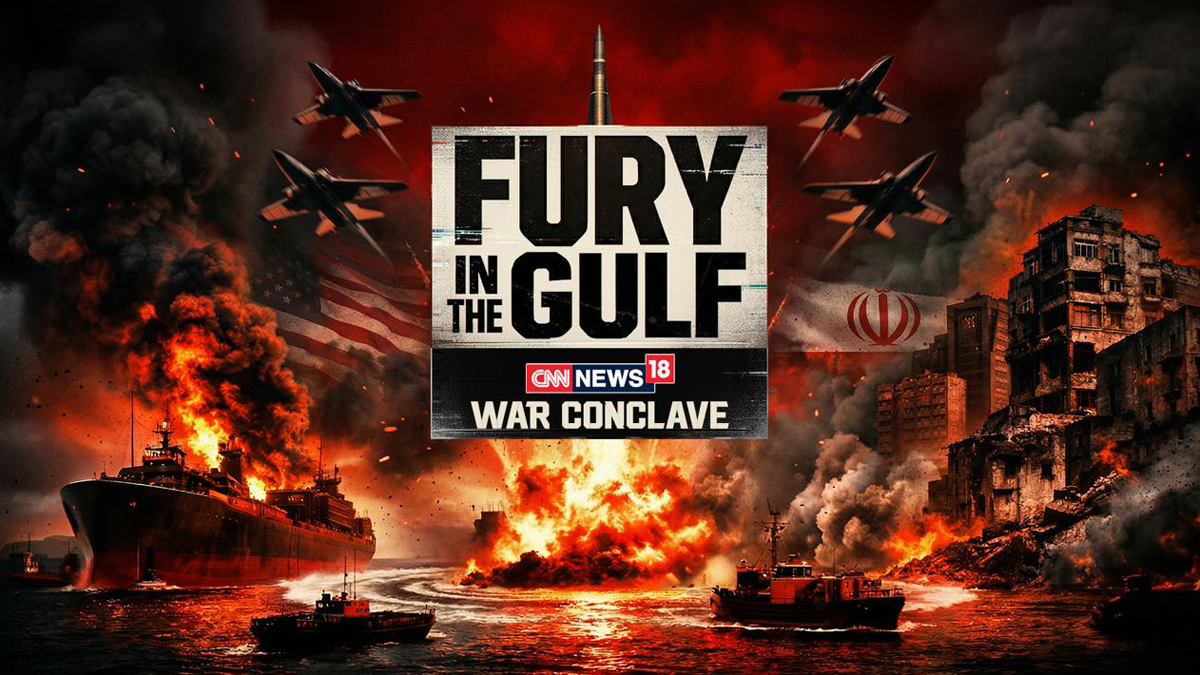
MUMBAI: CNN-News18 is set to host a special three-hour broadcast, Fury in the Gulf – War Conclave, on April 7, aiming to decode the escalating West Asia crisis and its far-reaching implications for India.
Scheduled from 4:00 PM to 7:00 PM, the conclave comes at a time when tensions between Iran and the United States are reshaping global geopolitics and triggering economic uncertainty. With India’s deep energy ties, trade links and large diaspora in the Gulf, the developments carry significant domestic relevance.
Built around the theme ‘Conflict, Consequences, and The Future,’ the programme will feature six curated sessions combining one-on-one interviews and panel discussions. The focus is to cut through the clutter and offer viewers a clearer understanding of the fast-evolving situation.
Key sessions include ‘Diplomacy in Times of War’ featuring Shashi Tharoor, and ‘World After the Iran Conflict’ with voices such as Ram Madhav, Reuven Azar, representatives from the European Union and the Iranian Deputy Envoy. Another session titled ‘Another Dunkirk?’ will bring together K. J. S. Dhillon and Jitin Prasada among others.
CNN-News18 editorial affairs director Rahul Shivshankar said, “In times of war, clarity becomes the most powerful tool. Fury in the Gulf – War Conclave brings together credible voices to address the questions and confusion that arise amid an overwhelming influx of information.”
He added that the initiative is aimed at delivering “facts, perspective, and insight” at a time when misinformation can easily cloud public understanding.
Echoing the sentiment, CNN-News18 CEO– English and business news Smriti Mehra said the conflict marks a defining global moment, with consequences that extend well beyond the region. She noted that the conclave seeks to present the crisis with “depth, nuance and responsibility” so audiences can better grasp its real-world impact.
As geopolitical tensions continue to dominate headlines, the conclave positions itself as an attempt to bring order to the noise, offering viewers a structured, insight-led look at a complex and rapidly shifting global situation.






