Content Hub
“A few new writers haven’t even read literature”: Purnendu Shekhar


MUMBAI: Many have been vocal about women and their rights, but only a few have been able to bring in the change.
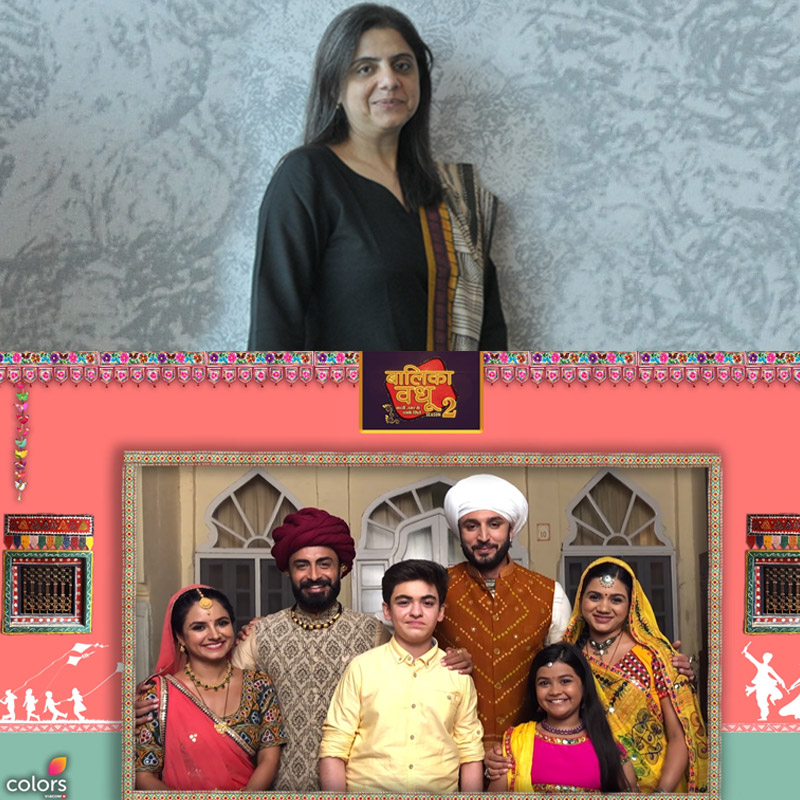
One man through his writing is doing just the same. He can even be categorised as someone who has been instrumental in shaping how daily soaps show a woman’s role in and outside her house. Telling the stories of women in shows like Astitva- Ek Prem Kahani and Saath Phere on Zee TV and Balika Vadhu on Colors is none other than Purnendu Shekhar.
For ‘The Content Hub’, indiantelevision.com spoke to Shekhar, who comes with a belief that to be a good storyteller, one needs to first understand his/her family especially the women who run the house and their lives.

When he joined the TV industry, it was dominated by highly dramatised melodramatic series like Kahani Ghar Ghar Ki. He tried to cut out of that tradition by bringing in realism through Astitva – Ek Prem Kahani.
According to him, if cinema is predominantly male dominated, it is the TV, which represents the female. “In most cases, television serials are known for the women characters in it,” says Shekhar. As he always makes the central character emotionally strong and vibrant, he has chosen only female protagonists, so far. He puts them in difficult situations, and sees how they cope up.
Six and half years and still running strong, Balika Vadhu today is considered as one of the longest running show on television. Was it a tough nut to crack? Agreeing to it, Shekhar says that in today’s scenario where new channels are mushrooming every now and then; there are tons of stories being told on television. “With every channel narrating stories on a daily basis, sometimes the idea doesn’t remain new anymore,” says Shekhar.
A writer’s biggest task is how he moulds different storylines and characters together without losing the essence of the plot. “That’s the challenging job. It’s not easy to narrate or churn out new/ fresh ideas on a daily basis. More than the idea, how you approach a story is the biggest challenge.”
He cites the example Astitva where he had used certain elements that viewers had already seen in Balaji’s shows, but what was different, was the approach. He goes on to say that writers don’t create anything new, but repeat what has already been told on television by good old writers and present it to the viewers with twists and modifications. “In today’s time, if any writer says I create original, then I am sorry I disagree with them. Writer’s job is to observe what the good old television writers have done and follow their footsteps, but with twists and turns keeping in mind today’s culture, values and traditions. We all borrow thoughts.”
He adds, “We have the same plot but it changes with time and characters bring in the freshness. For my shows, nobody felt that I had used the same storyline because the presentation and the way it was approached was quiet different.”
With daily soaps, a writer has to work under tremendous pressure to keep the story and characters interesting. Shekhar highlights that dialogues are very important in any TV series as they take the maximum share of a character’s social existence.
When asked how he keeps the freshness alive and comes up with ideas for a story, he credits his observation power and memory. It was his own childhood experiences that motivated him to write a script on child marriage; giving birth to Balika Vadhu. According to him, for a writer, anything can trigger an idea; sometimes what he observes in the surroundings makes a story and sometimes memories can germ it.
He sits with his team of writers, guides them, and even solves problems if a series stops working. He further states that the toughest job at times is to change or modify a certain plot or a track and still makes sense of it. “There can be many reasons to it, at times a track fails to click with the audiences or the similar track starts running on some other show, so here comes a writer’s skills and expertise to deal with the situation and go strong with the storyline without losing its essence.”
He agrees that it is a difficult task to get good story tellers on-board. “I get to see very less talent or pool of writers who have read literature and have done some great work in the past. They lack knowledge skills and are not well-equipped with what the audience requires.”
Shekhar further highlights that because of this shift, the life of a television show is also going down. “If we see today, the new shows don’t run for long like the older ones. Today, shows like Yeh Rishta Kya Kehlata Hai on Star Plus, Uttaran and Balika Vadhu on Colors have seen the life span of more than six years. What about the rest?” Shekhar asks.


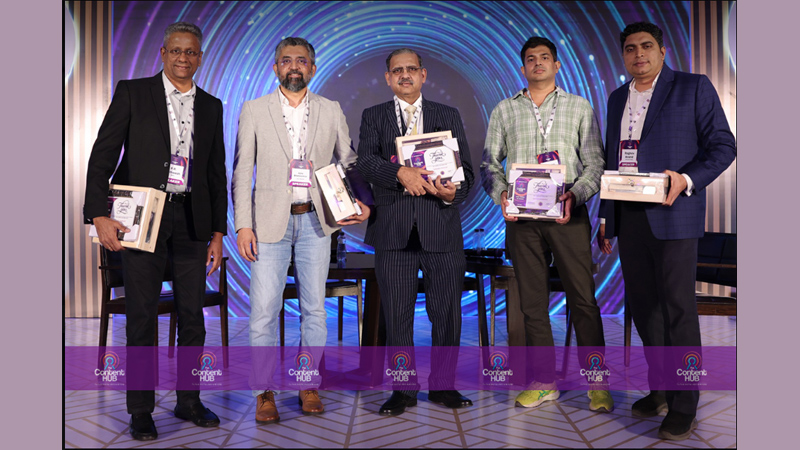
Mumbai: Exploring the shift from regional to national content, this synopsis delves into the trends and challenges. It navigates the transformation, analyzing industry dynamics, emerging trends, and the hurdles faced. From preserving regional variation to adapting to a broader audience, it examines the multifaceted journey of regional content evolving into a national narrative. In what ways do the emerging trends and challenges influence the dynamics of the entertainment industry during this transition? How can creators navigate these changes effectively? What strategic approaches can content creators adopt to strike a balance between maintaining regional identity and fostering a cohesive national narrative in their work? How can the transition from ‘regional’ to ‘national content’ impact cultural diversity within the entertainment industry, and what measures can be taken to ensure the preservation of regional variation?
In a rapidly evolving media landscape, seasoned industry professionals have offered valuable insights into the transformation of content consumption and production. The session was chaired by Ernst and Young partner Raghav Anand, MMTV chief executive officer P.R. Satheesh, Sony Marathi business head Ajay Bhalwankar, PTC Network chairman & MD Rabindra Narayan, Shemaroo Entertainment COO, Digital, Saurabh Srivastava esteemed voices in the field, have articulated their perspectives on the burgeoning shift towards globalised content.
Rabindra Narayan emphasised the dissolution of regional boundaries in content consumption, attributing it to the accessibility facilitated by global platforms and connectivity options. He predicts a future where language barriers will fade, citing the potential of technology to clone and adapt voices, thus enabling seamless localization across languages.
Saurabh highlighted the democratisation of content creation in the digital era, underscoring its empowerment and revenue potential, particularly in linguistically diverse markets like India. He emphasizes the value of culturally rooted storytelling in filling gaps in content supply, with technology enabling effective monetization, especially through OTT platforms.
Ajay Bhalwan sheds light on the evolving landscape of Hindi and regional language content, noting a significant shift where a substantial portion of content on Hindi film channels originates from regional languages. He accentuates the importance of language in enhancing authenticity and audience engagement, exemplified by the strong resonance of Marathi content in Maharashtra.
PR Satheesh underscored the paramount importance of content quality in driving viewership and transcending language barriers. Drawing parallels with the global popularity of Korean dramas, he advocates for leveraging technology, including AI and real-time translations, to enhance content creation and distribution.
These insightful perspectives collectively echoed the industry’s adaptation to a globalised content landscape, where technology catalyzes innovation and accessibility. As content continues to evolve, these experts offered valuable guidance on navigating the dynamic media landscape and maximizing the impact of storytelling in diverse markets worldwide.






