News Headline
2025 was the year FMCG paused, sharpened and refocused

MUMBAI: If 2024 was about stabilising the business, 2025 became the year FMCG brands paused, rethought and recalibrated. Faced with uneven consumer demand, fluctuating input costs and rapidly shifting media dynamics, companies resisted the urge to chase volume blindly. Instead, they focused on balance—cutting excess while investing carefully where it mattered most.
Across categories, brands revisited value propositions, tightened distribution strategies and brought sharper discipline to marketing spends. The emphasis shifted from expansion at any cost to sustainable, insight-led growth.
Consumption sentiment turns selective and health-led

Consumer sentiment in 2025 reflects a structural shift towards healthier, more mindful consumption. Rather than cutting back, consumers became more selective, actively choosing products that offered long-term value, wellness benefits and ingredient transparency.

Spending steadily moved towards better-for-you foods, clean-label products, functional nutrition and trusted brands. Households showed willingness to invest in quality, especially in categories linked to immunity, everyday wellness and convenience without compromise. While this trend was most pronounced in urban India, it began extending into smaller towns as awareness spread.
Festive and peak-consumption periods reinforced this mindset. Indulgence did not disappear, but it became more measured, with health increasingly shaping purchase decisions. Value was no longer defined by price alone, but by benefits, credibility and relevance.
Brands seized the opportunity to build trust through honest communication and product-led storytelling. Transparency, functional benefits and reliability strengthened relevance and loyalty in an increasingly conscious marketplace.
Dairy and FMCG see paradigm shift
The dairy sector emerged as a standout category in 2025, shaped by evolving consumer behaviour and increasing focus on health and wellness. Akshali Shah, Executive Director at Parag Milk Foods, summarised the shift:
“2025 has been a paradigm-shifting year for the dairy sector. What sparked this shift was the evolving consumer mindset—driven by growing awareness around personal health, fitness, and preventive nutrition. Today’s consumer is far more informed and intentional about what they consume. They are actively seeking clean-label products, high-protein dairy, and functional nutrition that supports immunity, gut health, and overall well-being. This is especially evident in the rising demand for whey proteins, and ready-to-consume dairy beverages—categories once considered niche but now increasingly mainstream due to lifestyle changes and higher nutritional consciousness.
A major milestone during the year was the rollout of GST 2.0, which brought much-needed clarity and efficiency to the taxation structure. The revised GST rates on everyday essentials such as UHT milk, cheese & ghee have made these products more accessible and affordable for households. At Parag Milk Foods, we have fully passed on this benefit to consumers through revised MRPs across our brands including Gowardhan Ghee, Go Cheese, Go UHT Milk, and Avvatar Whey Protein, ensuring value reaches every home.
As we move into 2026, the sentiment remains strong and optimistic. With protein consumption emerging as a dominant growth driver, the focus will be on innovation rooted in nutrition, strengthening supply chains, and building greater accessibility for high-quality dairy and protein-rich offerings across the country. The future of dairy is not just about taste—it is about trust, transparency, and delivering meaningful nutrition for every stage of life.”

Shah’s insight reflects the broader transformation across FMCG and dairy. The emphasis has shifted from volume-driven sales to products that address wellness, transparency and long-term value. GST 2.0, coupled with conscious product innovation, has allowed companies to pass tangible benefits to consumers, reinforcing trust while supporting growth. High-protein dairy, functional nutrition, and clean-label products are no longer niche—they are mainstream, signalling a new era where consumer choice, trust and health drive sector dynamics.
Major challenges FMCG brands faced
Cost management remained a key concern. While some input prices softened, volatility persisted, complicating margin planning. Brands walked a fine line between protecting profitability and maintaining affordability.
Distribution complexity also increased. General trade continued to anchor volumes and required sustained operational focus. Modern trade and e-commerce demanded tighter inventory control and more structured commercial terms. Quick commerce expanded rapidly in metro markets, while rural adoption remained gradual, keeping traditional distribution strategies relevant.
Regulatory scrutiny around labelling, health claims and sustainability intensified, pushing brands to align marketing narratives closely with product realities. Competition sharpened as digital-first and regional brands gained share by responding faster to evolving consumer preferences.
What worked in 2025
Small and thoughtful innovations outperformed big-bang launches. New flavours, improved formulations and convenience-driven formats delivered better results than entirely new categories. Ready-to-cook products, in particular, saw strong traction.
Communication became simpler and more relevant. Campaigns rooted in everyday problems, specific occasions and clear functional benefits resonated strongly. Themes of health, hygiene, trust and daily usefulness remained powerful. Social media and trend-based campaigns helped brands stay conversational and visible.
Localised communication by region, language and culture delivered higher engagement, especially beyond metros. Purpose-led messaging worked best when grounded in the product, not abstract ideals.
FMCG ad spends: fewer bets, better returns
FMCG remained one of the largest advertising sectors in 2025, but spending growth slowed and became more controlled. Marketing budgets came under sharper scrutiny, with return on investment becoming a boardroom priority.
Television retained a critical role during festive periods and major events. Digital spends became more performance-led, especially for start-ups. Retail media, influencer marketing, quick-commerce platforms and targeted digital formats gained prominence as brands sought personal consumer connections.
Rather than spreading budgets thin, brands focused on optimising media mixes. Consistency of messaging and precision targeting mattered more than raw reach.

Outlook for 2026
Looking ahead, cautious optimism prevails. Rural demand recovery will be closely monitored alongside balancing premiumisation with affordability. Brands offering a clear progression from entry-level to premium, without diluting their core identity, are likely to succeed.
Marketing teams will increasingly rely on data, consumer insights and performance measurement. Sustainability will move from a communication theme to a business imperative.
If 2025 was about recalibration, 2026 could mark a return of confidence. Success will favour FMCG brands that remain agile, innovate with purpose, understand their consumers deeply and communicate with clarity and honesty. In a more conscious marketplace, trust is no longer a by-product—it is strategy.







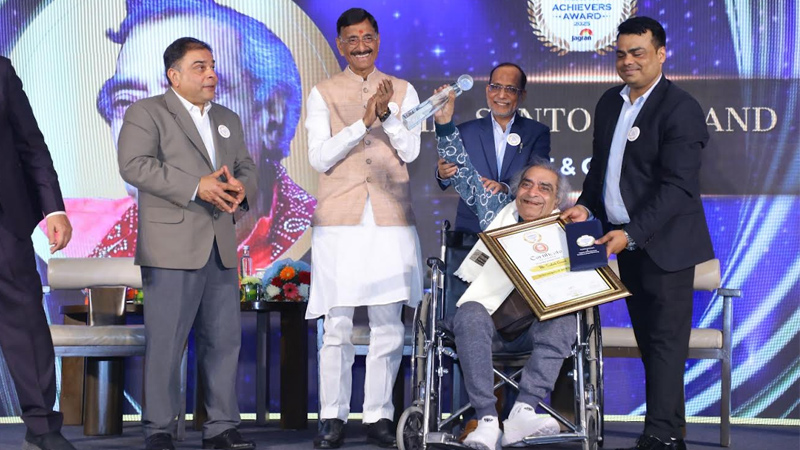
NEW DELHI: Hamdard Laboratories gathered a cross-section of India’s achievers in New Delhi on Friday, handing out the Hakeem Abdul Hameed Excellence Awards to figures who have left their mark across healthcare, education, sport, public service and the arts.
The ceremony, attended by minister of state for defence Sanjay Seth and senior officials from the ministry of Ayush, celebrated individuals whose work blends professional success with a sense of public purpose. It was as much a roll call of achievement as it was a reminder that influence is not measured only in profits or podiums, but in people reached and lives improved.
Among the headline awardees was Alakh Pandey, founder and chief executive of PhysicsWallah, recognised for turning affordable digital learning into a mass movement. On the sporting front, Arjuna Awardee and kabaddi player Sakshi Puniya was honoured for her contribution to the game and for pushing women’s participation onto bigger stages.
The cultural spotlight fell on veteran lyricist and poet Santosh Anand, whose songs have echoed across generations of Hindi cinema. At 97, Anand accepted the honour with characteristic humility, reflecting on a life shaped by perseverance and hope.
Healthcare honours spanned both modern and traditional systems. Manoj N. Nesari was recognised for strengthening Ayurveda’s place in national and global health frameworks. Padma shri Mohammed Abdul Waheed was honoured for his research-backed work in Unani medicine, while padma shri Mohsin Wali received recognition for his long-standing contribution to patient-centred care.
Education and social development also featured prominently. Padma shri Zahir Ishaq Kazi was honoured for decades of work in education, while former Meghalaya superintendent of Police T. C. Chacko was recognised for public service. Goonj founder Anshu Gupta received an award for his dignity-centred rural development initiatives, and the Hunar Shakti Foundation was honoured for empowering women and young girls through skill development.
The Lifetime Achievement Award went to former IAS officer Shailaja Chandra for her long career in public healthcare and governance, particularly in the traditional systems under Ayush.
Speaking at the event, Hamdard chairman Abdul Majeed said the awards were a tribute to those who combine excellence with empathy. “These awardees reflect Hakeem Sahib’s belief that healthcare, education and public service must ultimately serve humanity,” he said.
Minister Seth struck a forward-looking note, saying India’s young population gives the country a unique opportunity to become a global destination for learning, health and wellness by 2047.
The ceremony also featured the trailer launch of Unani Ki Kahaani, an upcoming documentary starring actor Jim Sarbh, set to premiere on Discovery on 11 February.
Instituted in memory of Unani scholar and educationist Hakeem Abdul Hameed, the awards have grown into a national platform that celebrates those building a more inclusive and resilient India. For one evening at least, the spotlight was not just on success, but on service with substance.