Broadband
125 million mobile users to access TV by 2010

MUMBAI: Research group Informa Telecoms and Media predicts that there will be 124.8 million broadcast mobile TV users worldwide by 2010.
An inflection point is expected in 2009 as network rollout and device availability allow for the market to reach some level of critical mass. This data is contained in a report titled Mobile TV: Broadcast And Mobile Multimedia.
According to the report for the next few years, the most advanced networks will be S-DMB and T-DMB services, dominating broadcast TV handset sales worldwide from its strongholds of South Korea and Japan. By 2010, there will be 18.11 million terrestrial DMB subscribers, compared with 15.02 million satellite DMB users worldwide.

Despite its slow start, DVB-H will become the dominant format in 2008, reaching significant levels worldwide reaching 74.03 million users by 2010, equating to almost 60 per cent of all broadcast mobile TV users.
In terms of devices, the market is forecast to grow from a total of 0.13 million units in 2005 to 83.5 million by 2010. In comparison with mobile video-capable phones, broadcast handset sales will be outstripped by almost 5-to-1 by 2010.
Whilst the mobile TV industry is beginning to generate interest from many sectors of the mobile and broadcast industries, including mobile operators, handset vendors, broadcasters and content providers, there are still a number of issues and problems that need to be resolved.
The biggest hurdles include regulation, capacity and spectrum planning. At the heart of the mobile TV industry is the tussle between broadcast and cellular networks to find the optimum solution for all players to benefit in an extremely complex business model. The degree to which these networks will become either competitive or complementary will ultimately determine the fate of market.
Collaboration between players will be crucial to leverage on the potential for interactive TV services, which although being somewhat lacklustre in the digital TV arena has the potential to be a real driver behind mobile TV services and revenue generation.
The success opf mobile television will also depend on the availability of desirable, popular content to the end user which will depend to a large extent on how fast consumers adopt the services and devices. There is a definite need for the industry to decide on what formats will work for users while they are on the move and what services will be attractive to mobile subscribers, bearing in mind current viewing habits.
This is further dependent on the availability of quality handsets, providing users with a large high resolution colour display, a good user interface, and lasting battery life. mobile content providers need to note that there is a flip side to But charging users for broadcast mobile TV content. The provision of TV channels in these broadcast models has a bearing on how TV content should be charged for, bearing in mind that a number of channels currently available in the digital TV space are “free-to-air” and others can be advertising-supported.
The report notes that the most likely charging scenarios of subscription or pay-per-view will be easier to implement in partnership with mobile operators who already have a billing relationship with the end-user, but the principles of how content is handled in the public broadcasting and mobile spheres are very different owing to certain criteria set on breadth and quality of content.
It cannot be disputed that in many major markets worldwide TV is a large part of many peoples’ daily lives and mobile subscriber penetration in a number of markets has reached, if not even surpassed, a high saturation level. Due to this the subsequent convergence of the broadcast and mobile industries, broadcast mobile TV has undoubted potential, with interactive TV and the extension of advertising at the forefront of that success.






Broadband
ACT Fibernet elevates Aditya Singh to chief customer experience officer
Former senior vp to drive service, retention and delivery revamp
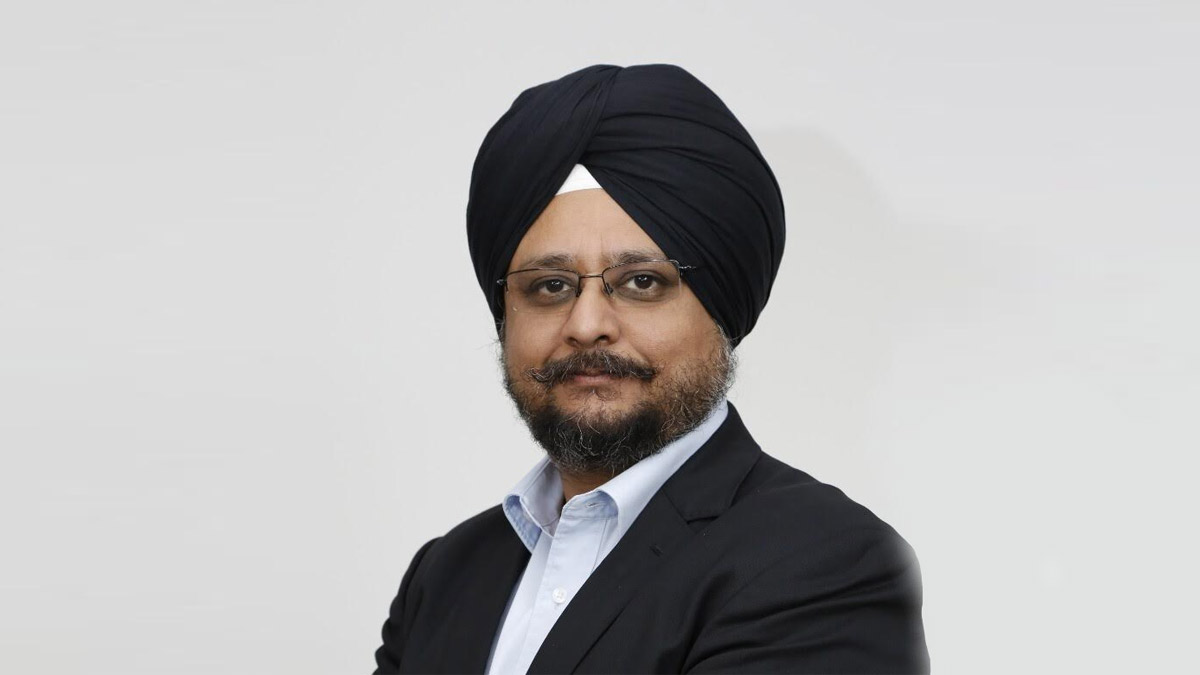
BENGALURU: ACT Fibernet has elevated Aditya Singh to chief customer experience officer, effective 1 January, 2026, as the broadband provider seeks to tighten its grip on service quality in an increasingly competitive market.
Singh, who previously served as senior vice-president – customer experience and loyalty at group level, will now join the executive committee and lead the company’s end-to-end customer transformation agenda.
The move gives him oversight of customer service, customer retention and service delivery, alongside a broader mandate to strengthen network resilience and field operations. The company said the reshuffle underlines its intent to deliver a “consistent, seamless and superior” experience to its 2.3m subscribers across more than 30 cities.
Headquartered in Bengaluru, ACT Fibernet, the consumer-facing brand of Atria Convergence Technologies Limited, is one of India’s largest wired internet service providers. It has built its pitch on high-speed connectivity and responsive customer support, at a time when fibre roll-outs and price wars are redrawing the broadband map.
In a statement, Singh said he was “deeply honoured” to take on the expanded brief and join the executive committee as the company sharpens its focus on simplifying customer touchpoints and turning subscribers into brand advocates.
The elevation signals a clear priority: in a crowded fibre market, customer experience is fast becoming the decisive battleground.








