International
Top Torontro critics award for Social Network

MUMBAI: The Toronto Film Critics Association (TFC) has named The Social Network as this year‘s best picture.
While David Fincher won an award for best direction, Jesse Eisenberg was named best actor for his role of Facebook founder Mark Zuckerberg. Co-star Armie Hammer bagged the best supporting actor award for his performance as the Winklevoss twins.
Aaron Sorkin‘s adaptation of Ben Mezrich‘s book The Accidental Billionaires was awarded the best screenplay award.
Other TFCA award winners include Jennifer Lawrence named best actress for her role in Winter?s Bone and newcomer Hailee Steinfeld as the best supporting actress for her debut performance in True Grit.
The Toronto film critics, while shutting out rival Oscar contenders like Black Swan and The King‘s Speech from its awards list, also gave the best first feature prize to British director Robert Banks for Exit Through the Gift Shop and named DreamWorks Animation‘s How To Train Your Dragon as the best animated feature.
The best foreign language film award went to Uncle Boonmee Who Can Recall His Past Lives directed by Thai director Apichatpong Weerasethakul.

International
Utopai Studios unveils 4K three-minute video generation for PAI platform
New Story Agent and editing tools aim to streamline AI-led filmmaking workflows
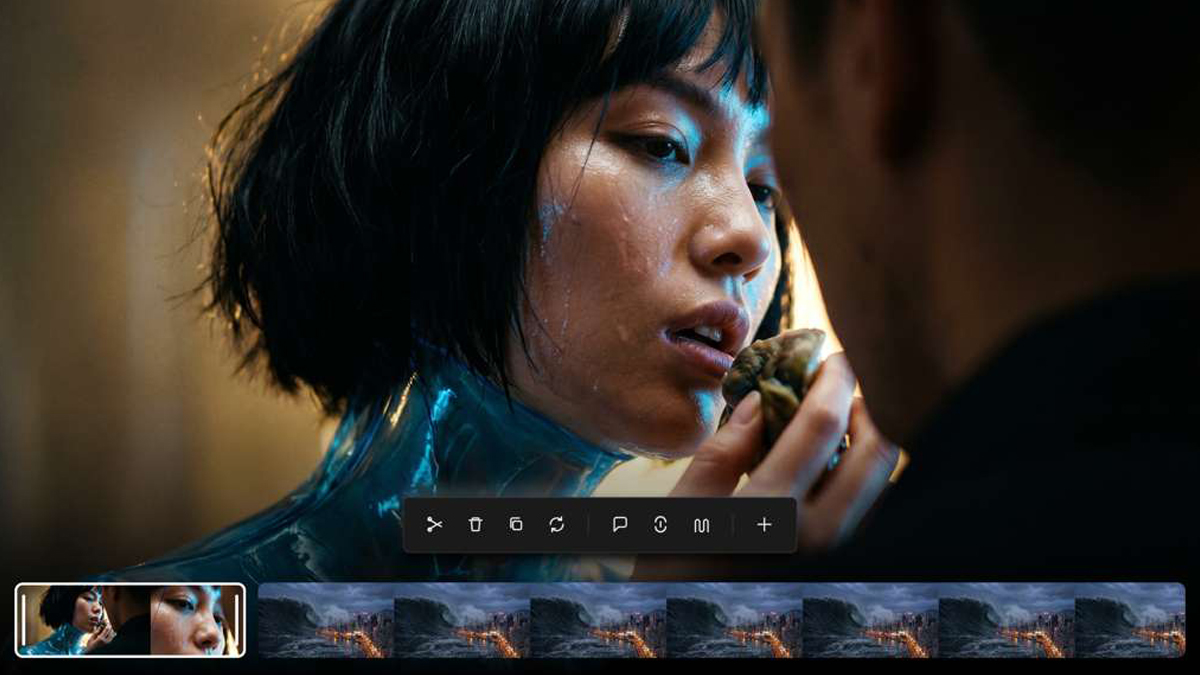
MUMBAI: Utopai Studios has announced a major upgrade to its PAI storytelling AI platform, introducing what it claims is an industry-first capability to generate three-minute videos in 4K resolution, alongside enhancements to its Story Agent feature.
The update, rolling out from April 15, expands the platform’s capabilities across the filmmaking process, from early concept development to post-production. The company said the new features are designed to help filmmakers maintain continuity across characters, scenes and visual styles, a key challenge in AI-driven storytelling.
At the heart of the release is a next-generation model that enables more structured narrative development, allowing creators to move more seamlessly from idea to execution. With tools such as multi-shot sequencing and multi-turn editing, the platform aims to give both studios and independent creators greater control over complex storytelling workflows.

Commenting on the launch, Utopai Studios co-founder and CTO Jie Yang said, “The next phase of AI in media will not be defined by isolated tools, but by systems that can carry story, continuity and collaboration across the full creative process.” He added that the update is a step towards enabling more practical, end-to-end narrative development at a professional level.
Echoing this, Utopai Studios co-founder and chief scientific officer Zijian He said, “Generative video is opening the door to a new production model, where creative ambition is less constrained by traditional cost and complexity.” He noted that the platform combines multimodal models with iterative editing to give creators more speed, control and consistency.
The company said PAI is already being used in professional film and television productions, particularly in Hollywood, for tasks such as pre-visualisation, scene design and post-production refinements. The latest update adds features including improved voice options, character consistency, unlimited editing and more flexible asset management.
Utopai also emphasised that its models are not trained on copyrighted material, positioning the platform as a cleaner alternative for creators and rights holders navigating the evolving AI landscape.
As AI continues to reshape content creation, Utopai’s latest push signals a shift from standalone tools to integrated systems, aiming to make high-quality filmmaking faster, more flexible and increasingly accessible.