International
Laura Ziskin leaves for heavenly abode

MUMBAI: Producer Laura Ziskin, known to have produced the Spider-Man franchise, has expired. The 61-year old, who had been battling breast cancer for seven years, continued to undertake major productions in Hollywood in spite of her illness.
Though Ziskin struggled with cancer since receiving a Stage 3 diagnosis in 2004, she remained indefatigable, overseeing one of Sony‘s highest-grossing franchises and the broadcast of the industry‘s top awards shows.
The Spider-Man franchise, incidentally, roped in over $1.5 billion worldwide making her one of the most powerful producers in Hollywood.
Ziskin also produced the Academy Awards telecast two times, becoming the first woman to produce the awards show solo in 2002. She also produced critically acclaimed films like Fight Club and To Die For.
She also became active in the movement to combat the disease, drawing on her contacts in the entertainment industry to help found Stand Up To Cancer in 2008.
Ziskin rose from the trenches of the entertainment industry to become one of a handful of women who were an integral part of the power elite. After graduating from the University of Southern California‘s School for Cinematic Arts, Ziskin worked as a game show writer and personal assistant to producer Jon Peters. From there, she moved on to become a development executive, eventually forming Fogwood Films with partner Sally Field.
At Fogwood, the noted producer made the Oscar nominated Murphy‘s Romance as a vehicle for Field and the Cold War thriller No Way Out that provided a crucial early role to a young Kevin Costner.
As president of Fox 2000, Ziskin oversaw hits like Pretty Woman and Courage Under Fire among others. After leaving Fox 2000 in 1999, Ziskin landed an independent production deal at Columbia Pictures, where she produced Spider-Man.

International
Utopai Studios unveils 4K three-minute video generation for PAI platform
New Story Agent and editing tools aim to streamline AI-led filmmaking workflows
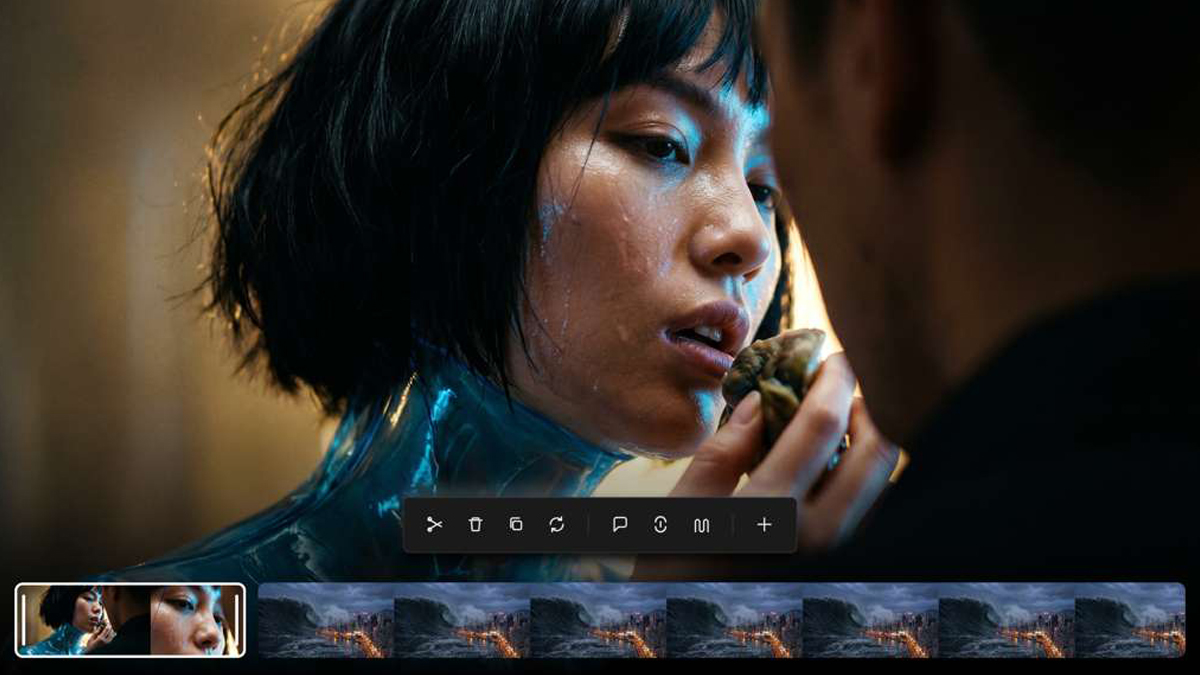
MUMBAI: Utopai Studios has announced a major upgrade to its PAI storytelling AI platform, introducing what it claims is an industry-first capability to generate three-minute videos in 4K resolution, alongside enhancements to its Story Agent feature.
The update, rolling out from April 15, expands the platform’s capabilities across the filmmaking process, from early concept development to post-production. The company said the new features are designed to help filmmakers maintain continuity across characters, scenes and visual styles, a key challenge in AI-driven storytelling.
At the heart of the release is a next-generation model that enables more structured narrative development, allowing creators to move more seamlessly from idea to execution. With tools such as multi-shot sequencing and multi-turn editing, the platform aims to give both studios and independent creators greater control over complex storytelling workflows.

Commenting on the launch, Utopai Studios co-founder and CTO Jie Yang said, “The next phase of AI in media will not be defined by isolated tools, but by systems that can carry story, continuity and collaboration across the full creative process.” He added that the update is a step towards enabling more practical, end-to-end narrative development at a professional level.
Echoing this, Utopai Studios co-founder and chief scientific officer Zijian He said, “Generative video is opening the door to a new production model, where creative ambition is less constrained by traditional cost and complexity.” He noted that the platform combines multimodal models with iterative editing to give creators more speed, control and consistency.
The company said PAI is already being used in professional film and television productions, particularly in Hollywood, for tasks such as pre-visualisation, scene design and post-production refinements. The latest update adds features including improved voice options, character consistency, unlimited editing and more flexible asset management.
Utopai also emphasised that its models are not trained on copyrighted material, positioning the platform as a cleaner alternative for creators and rights holders navigating the evolving AI landscape.
As AI continues to reshape content creation, Utopai’s latest push signals a shift from standalone tools to integrated systems, aiming to make high-quality filmmaking faster, more flexible and increasingly accessible.