International
Holy Wood Acting studio in LA

MUMBAI: The Los Angeles based Holy Wood Acting Studio opened on 25 March to unearth talented actors with the “emotional and spiritual maturity” to endure the challenges in their careers.
“The opening of Holy Wood Acting Studio represents a new era for the entertainment industry, an era where actors will not only thrill audiences with amazing performances, but also inspire them through moral, intellectual, and spiritual integrity,” the Studio said in a statement.
Participants at the event helped create an inspiring and exciting atmosphere they hope will set the tone for many years of actor training and personal development, the Studio said.
Holy Wood Studio is unique in its incorporation of the late Pope‘s approach to spirituality.
The studio‘s operational director Max Espinosa opened the event, explaining the aim of the studio is to prepare students to be both successful actors and complete human beings.
He noted the “Four Pillars” of the study program: Acting, Personal Growth and Development, Leadership, and Health and Fitness. These are combined with Pope John Paul II‘s Theology of the Body to produce actors who are masters of the craft and masters of themselves.
Holy Wood acting studies will open its three-month summer programme on 12 June. Another of its programs begins on Sept. 8 and lasts for a whole academic year.
The programs aim to provide flexible options for acting students looking to maximize their personal and professional development.
The studio‘s base of operations, Culver City in West Los Angeles County, bills itself as “the Heart of Screenland.” It is also the home of Sony Pictures Studios.

International
Utopai Studios unveils 4K three-minute video generation for PAI platform
New Story Agent and editing tools aim to streamline AI-led filmmaking workflows
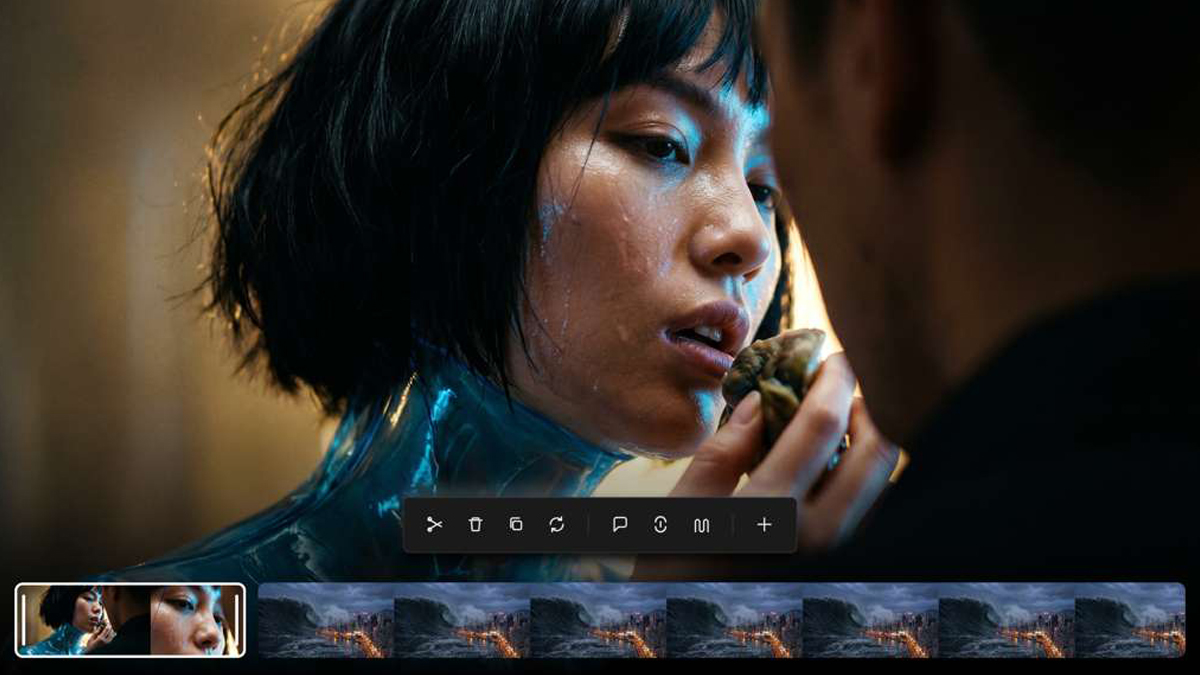
MUMBAI: Utopai Studios has announced a major upgrade to its PAI storytelling AI platform, introducing what it claims is an industry-first capability to generate three-minute videos in 4K resolution, alongside enhancements to its Story Agent feature.
The update, rolling out from April 15, expands the platform’s capabilities across the filmmaking process, from early concept development to post-production. The company said the new features are designed to help filmmakers maintain continuity across characters, scenes and visual styles, a key challenge in AI-driven storytelling.
At the heart of the release is a next-generation model that enables more structured narrative development, allowing creators to move more seamlessly from idea to execution. With tools such as multi-shot sequencing and multi-turn editing, the platform aims to give both studios and independent creators greater control over complex storytelling workflows.

Commenting on the launch, Utopai Studios co-founder and CTO Jie Yang said, “The next phase of AI in media will not be defined by isolated tools, but by systems that can carry story, continuity and collaboration across the full creative process.” He added that the update is a step towards enabling more practical, end-to-end narrative development at a professional level.
Echoing this, Utopai Studios co-founder and chief scientific officer Zijian He said, “Generative video is opening the door to a new production model, where creative ambition is less constrained by traditional cost and complexity.” He noted that the platform combines multimodal models with iterative editing to give creators more speed, control and consistency.
The company said PAI is already being used in professional film and television productions, particularly in Hollywood, for tasks such as pre-visualisation, scene design and post-production refinements. The latest update adds features including improved voice options, character consistency, unlimited editing and more flexible asset management.
Utopai also emphasised that its models are not trained on copyrighted material, positioning the platform as a cleaner alternative for creators and rights holders navigating the evolving AI landscape.
As AI continues to reshape content creation, Utopai’s latest push signals a shift from standalone tools to integrated systems, aiming to make high-quality filmmaking faster, more flexible and increasingly accessible.