Hollywood
David Zaslav could net up to $887m as Warner Bros Discovery sells up
Media mogul strikes gold as Paramount Skydance deal triggers massive windfall

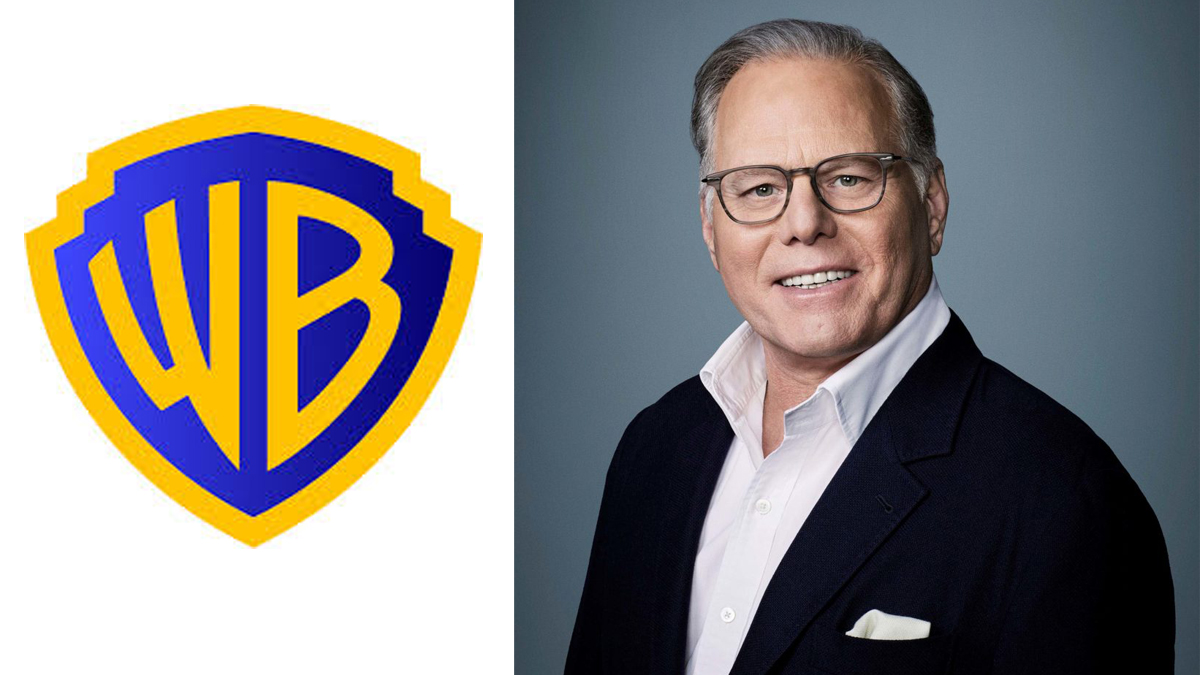
NEW YORK: While the average office worker might hope for a nice clock and a round of applause upon leaving, David Zaslav is looking at a slightly more substantial parting gift. The chief executive officer of Warner Bros Discovery is positioned to receive a windfall of up to $887 million following the company’s blockbuster $110 billion sale to Paramount Skydance.
In a twist of corporate fate that feels scripted for the big screen, the deal marks the finale of a high-stakes bidding war. It comes after Netflix, once the frontrunner, decided to exit stage left and abandon its pursuit of the HBO Max parent company.
While most people receive a standard final paycheck, the filing released on Monday suggests Zaslav’s exit package is built a little differently. If the deal closes as expected in the third quarter of 2026, the numbers break down like this:

The cash out: A severance package of $34.2 million, covering his salary and bonuses.
The equity: $115.8 million in vested shares he already owns.
The future fortune: A massive $517.2 million in unvested share awards, essentially “future stock” that turns into real money the moment the ink dries on the merger.
Perhaps the most eye-catching figure is the $335 million earmarked for tax reimbursements. However, this particular pot of gold has an expiration date.
The company noted that these reimbursements are tied to specific tax-code rules that significantly decline as time passes. If the deal hits a snag and drags into 2027, that tax payout drops to zero. With hundreds of millions on the line, the chief executive officer likely has every incentive to ensure the closing process moves at double-speed.







Hollywood
Paramount eyes $24bn Gulf support to fund Warner Bros Discovery merger: Reports
Sovereign funds line up funding as media giants chase streaming scale

NEW YORK: Paramount Skydance is in talks to secure nearly $24 billion in equity commitments from Gulf sovereign wealth funds to support its planned takeover of Warner Bros. Discovery, according to a WSJ report.
The funding push comes as Paramount Skydance advances its proposed $110 billion deal for Warner Bros. Discovery, which carries an equity valuation of $81 billion and is expected to close in the third quarter of 2026.
At the heart of the financing plan are three major Gulf investors. Saudi Arabia’s Public Investment Fund is expected to contribute roughly $10 billion, while the Qatar Investment Authority and Abu Dhabi-based L’imad Holding are likely to make up the remainder.
Crucially, the proposed investments are structured as non-voting stakes. This means the Gulf backers would not have direct control in the combined entity, a move designed to ease regulatory concerns in the United States. Paramount executives reportedly do not expect the deal to trigger scrutiny from bodies such as the Committee on Foreign Investment in the United States or the Federal Communications Commission.
If completed, the merger would bring together a formidable portfolio of entertainment and news assets, including CNN and CBS. The combined entity aims to better compete in a fast-evolving media landscape where streaming platforms are steadily pulling audiences away from traditional television.
The deal reflects a broader shift in global media, where scale is increasingly seen as essential to survive the streaming wars. By pooling content libraries, technology and distribution, Paramount Skydance and Warner Bros. Discovery are betting on size and synergy to drive future growth.
The involvement of deep-pocketed Gulf investors also underscores the growing role of sovereign wealth in shaping global media consolidation, particularly at a time when high-value deals demand equally large financial backing.
With shareholder votes and regulatory milestones still ahead, the proposed tie-up remains one of the most closely watched media deals of the year. If it clears the final hurdles, it could redraw the competitive map of the global entertainment industry.






