MAM
Zee Cinema Mujhse Shaadi Karogi campaign hugs reality genre


MUMBAI: Zee Cinema is in full swing promoting the premiere of blockbuster movie Mujhse Shaadi Karogi. The channel, which has earlier attempted various outdoor innovations to promote its Amitabh movie festival Amitabh movie festival Shaniwar ki raat Amitabh ke saath, has this time gone a step ahead and decided to create a reality show around the property.
“We have been innovating a lot with our promotions. We have been giving a reality touch to all our campaigns and now, for the first time, we are taking this to on-air as a full-fledged reality show,” says Zee Cinema assistant VP Marketing Prakash Ramchandani.
The reality show Propose to Priyanka (P2P) is conceived with the theme of Mujhse Shaadi Karogi in mind. Viewers were asked to send in their proposals to the leading lady Priyanka Chopra and from the entries received, five were short listed to meet their icon and propose to her in person.
“In the movie, Salman Khan is making his best efforts to win Priyanka’s love. The theme is used in conceiving this reality contest as well. Zee Cinema will be showcasing the final during the telecast of the movie on 27 February,” Ramchandai says.
Umaid Singh Rathore from Mount Abu, Rohit Sharma from Jaipur, Arvind Gautam & Shailendra from Mumbai and Anif from Kolkata made it into the final five.
Apart from an extensive publicity campaign covering print, radio, hoardings and SMS contests, the channel is promoting the movie on the web also. For this, the channel has tied up with Contest2Win’s online media planning and buying arm Media2win. Interactive banners are placed on Contest2win.com, Yahoo mail, Yahoo home page and MSN Messenger. The campaign poses a question related to the movie and the winner is awarded with a diamond ring.




Brands
Hyundai and TVS Motor partner to develop electric three wheelers
Joint development pact targets last mile mobility with localisation push
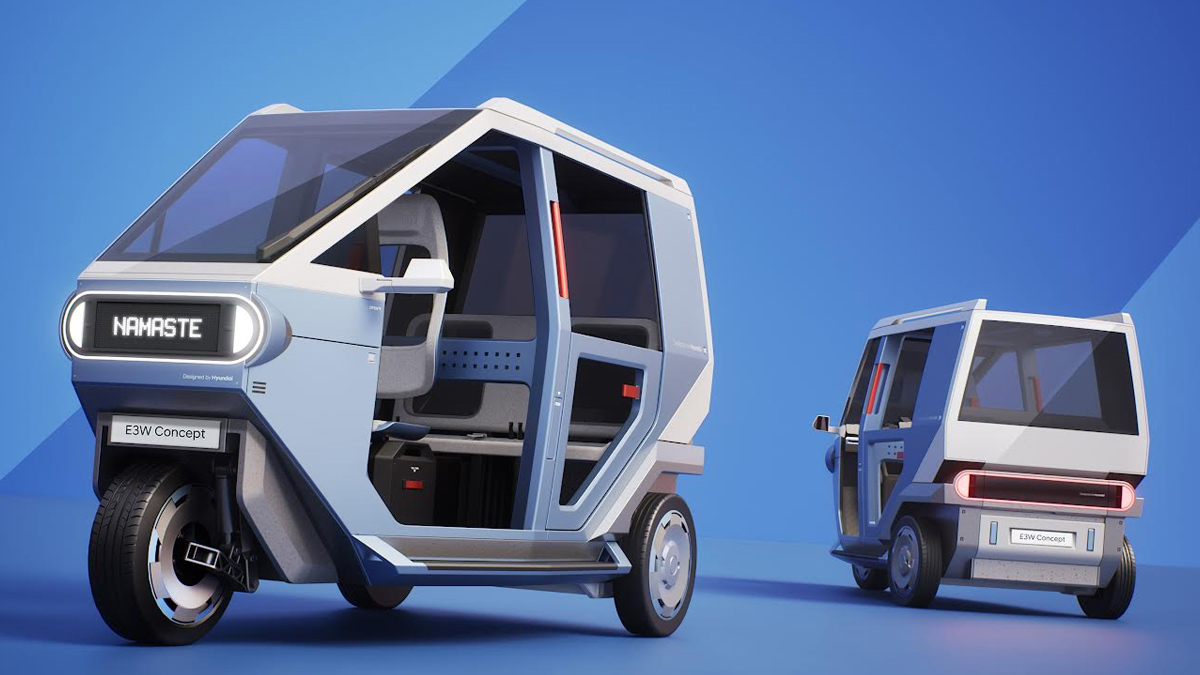
MUMBAI: Three wheels, one big ambition and a charge towards the future. Hyundai Motor Company and TVS Motor Company have signed a joint development agreement to co-create electric three-wheelers (E3Ws), aiming to crack India’s complex last-mile mobility puzzle. The collaboration moves beyond concept talk into execution mode, building on the E3W prototype first showcased at the Bharat Mobility Global Expo 2025. The goal now is clear, design, develop and commercialise a purpose-built vehicle tailored to Indian roads, riders and realities.
Under the agreement, Hyundai will lead design and co-development, bringing its global R&D muscle and human-centric engineering approach to the table. TVS Motor, meanwhile, will anchor the product on its electric platform, leveraging deep three-wheeler expertise and local market insight. It will also handle manufacturing and sales in India, with an eye on exports down the line.
The timing is strategic. India remains the world’s largest three-wheeler market, where affordability, durability and adaptability often outweigh sheer innovation. The upcoming E3W aims to strike that balance combining advanced technology with practical features such as adaptive ground clearance for monsoon-hit roads, improved thermal management for tropical climates, and flexible interiors suited for passengers, cargo or emergency use.

A key pillar of the partnership is localisation. Major components will be sourced and manufactured within India, a move expected to strengthen the domestic supply chain, create jobs, lower costs and improve after-sales support.
The shift from prototype to production will involve rigorous testing, certification and refinement to meet regulatory standards and consumer expectations. Dedicated cross-functional teams from both companies are already in place to accelerate timelines.
At a broader level, the tie-up reflects a growing trend in mobility, global players partnering with local specialists to navigate emerging markets. For Hyundai and TVS, the bet is that combining scale with street-level insight could unlock a new chapter in sustainable urban transport, one that runs not just on electricity, but on relevance.