MAM
Zee Bharat Youth Fest spotlights Gen Z energy in Ahmedabad
From ideas to music, young voices drive a vibrant campus celebration

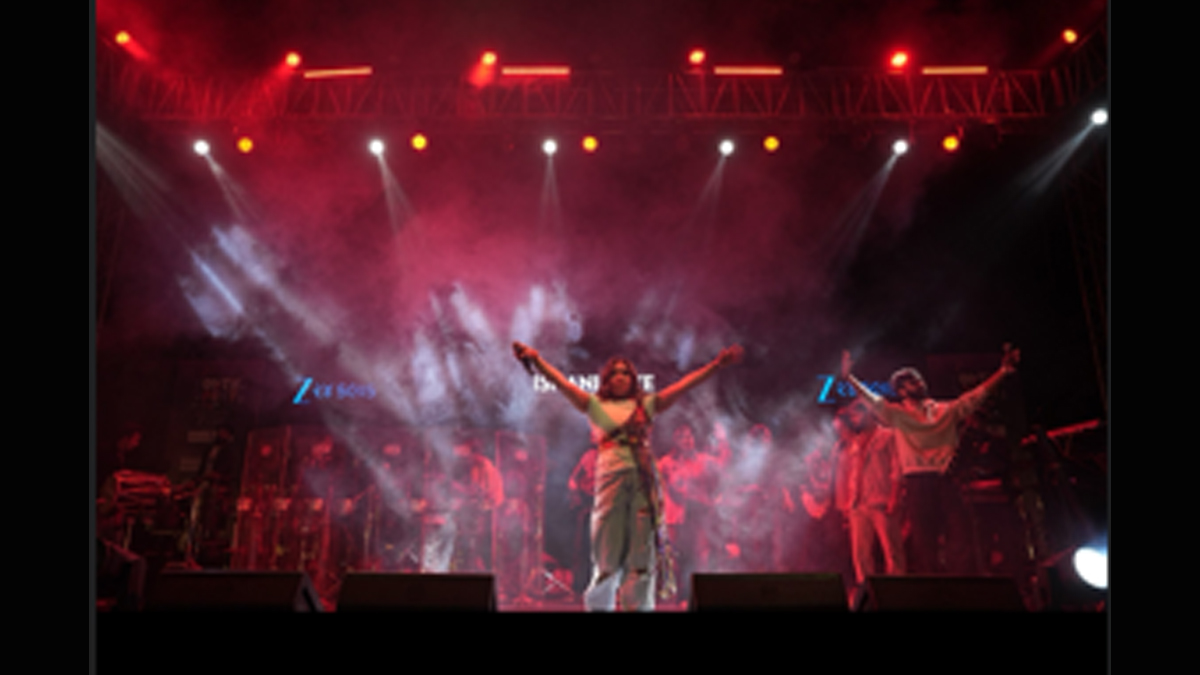
AHMEDABAD: If the future had a soundtrack, it would probably sound a lot like the Zee Bharat Youth Fest 2026. Held at Gujarat University, the event turned an ordinary campus day into a lively mash-up of ambition, ideas and music, drawing students and young achievers from across the city.
With free entry and open doors, the fest quickly became a buzzing hub where conversations flowed as easily as playlists. The day kicked off with a ceremonial lamp lighting in the presence of ministers Kaushik Venkariya and Pravin Mali, MLA Amit Thakar, ZMCL CEO Raktim Das and Z 24 Kalak editor Dixit Soni.
Minister Pravin Mali struck a forward-looking note, praising the clarity of today’s youth and stressing that governance must keep pace. He also announced plans for a faceless RTO system in Gujarat, aimed at digitising transport services, cutting corruption and boosting transparency.

MLA Amit Thakar captured the mood of a generation rewriting its own rulebook. Today’s youth, he said, are moving beyond the traditional job hunt to become job creators. In an AI-driven world, staying informed is no longer optional but essential.
Adding weight to the proceedings, deputy chief minister Harsh Sanghavi launched a 100-metre road safety drive and unveiled the ‘generation z india’ poster, underlining the role of responsible citizenship. The event also honoured emerging youth icons from Gujarat, giving the audience real-life role models to cheer for.
The tone shifted from policy to personal when influencer Nitin Jani, widely known as Khajur Bhai, took the stage. His advice was simple but sticky: start small and start now. Reflecting on his journey, he spoke candidly about ignoring negativity and focusing on what truly matters.
A lighter, witty touch came from podcast creators Manan Desai and Chirayu Mistry of ‘Lavari’. Their mix of humour and honesty resonated with the crowd as they unpacked the realities of building a creative career in a digital-first world.
As evening fell, the fest found its rhythm. Singer Ishani Dave lit up the stage with a performance that blended traditional notes with contemporary beats, turning the campus into a lively concert ground.
For Raktim Das, the message was clear. India’s growth story, he said, will not just be written in boardrooms but across classrooms and communities. The festival, he added, is a platform to amplify young voices and shape the idea of a developed India.
More than just a day-long event, the Zee Bharat Youth Fest felt like a snapshot of a generation in motion restless, expressive and ready to take charge.






MAM
GUEST COLUMN: How data and adtech are driving OOH growth in India
Data and technology are reshaping OOH and boosting advertiser confidence.
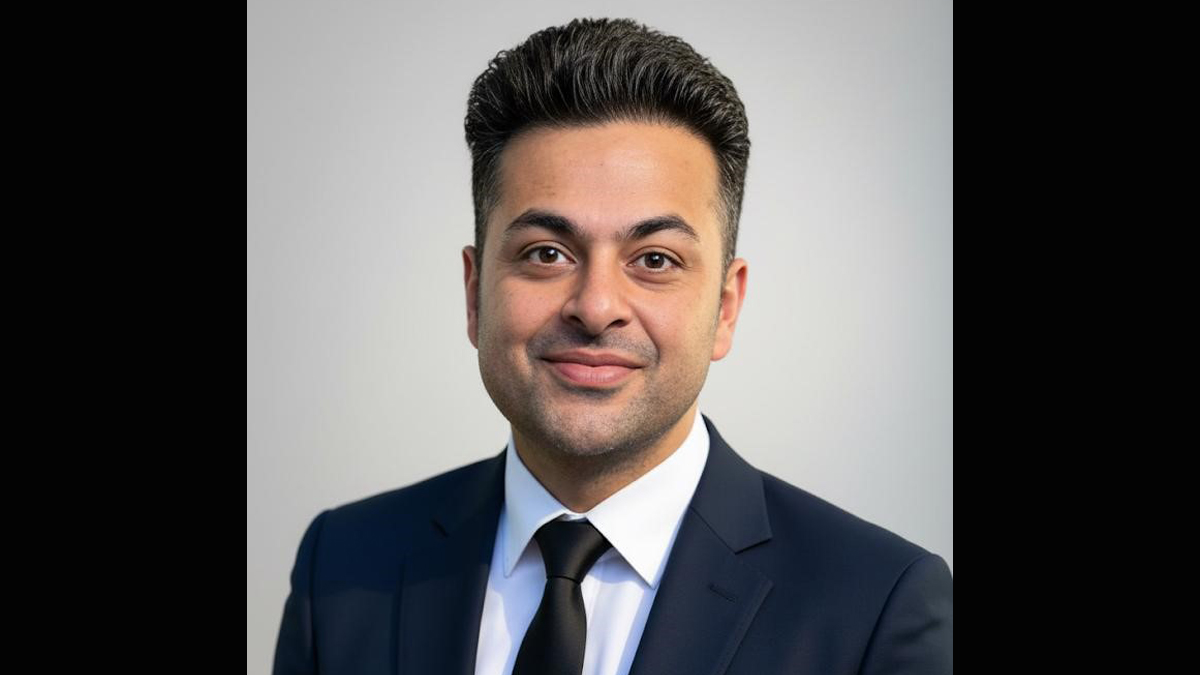
MUMBAI: Out-of-Home (OOH) advertising is evolving from a traditional, location-driven medium into a data-informed channel that blends physical presence with digital intelligence. For Nipun Arora, co-founder of Osmo, this transformation is redefining how advertisers plan, execute, and measure campaigns in India. In this piece, Arora explores how traffic, mobility, and AI-powered data are enhancing site and audience insights, why DOOH is accelerating precision planning, and how authenticity, creativity, and repeat exposure are driving renewed advertiser confidence in OOH.
For years, Out-of-Home (OOH) advertising operated with minimal reliance on data. Site selection was largely driven by visibility, location, and a planner’s understanding of traffic patterns.
That is now changing rapidly.
The first shift came with traffic data, offering basic estimates of vehicular movement. This evolved into mobility data powered by GPS signals, enabling deeper insights into audience movement and behavior. Point-of-interest data further refined this by helping advertisers understand who is likely to be present around a location.
Today, artificial intelligence and computer vision are unlocking an entirely new layer of site and audience intelligence. Together, these data streams are transforming OOH from a real estate-led medium into a data-backed one.
The rise of Digital Out-of-Home (DOOH) is accelerating this shift. Campaigns can now be planned, scheduled, and optimized with increasing precision bringing OOH closer to an adtech model. That said, as a physical medium, OOH still operates within real-world constraints, making this transition gradual rather than absolute.
At the same time, advertisers are returning to OOH with renewed interest.
One of the biggest drivers is authenticity. Unlike digital platforms, OOH offers real-world visibility free from bots, fraudulent impressions, or ad blockers. What you see is what exists.
There’s also growing digital fatigue. Consumers are overwhelmed by constant online advertising, often choosing to skip or ignore it. OOH, by contrast, engages audiences naturally within their environment, without interruption.
Mobility further strengthens its impact. As people move through cities daily, OOH benefits from repeated exposure building recall over time in a way few channels can match.
Add to this the power of creativity. Large formats and contextual executions don’t just capture attention, they often extend beyond the physical space, finding life on social media.
Finally, the increasing availability of data at the planning stage is boosting advertiser confidence. Better insights mean better decisions and more accountability.
As cities grow and movement increases, OOH is uniquely positioned at the intersection of physical presence and data intelligence. Its evolution from billboards to big data isn’t just a technological shift, it’s a redefinition of the medium itself.
Note: The views expressed in this article are solely the author’s and do not necessarily reflect our own.








