MAM
Yokohama Off-Highway Tires unveils new brand identity


NEW DELHI: The Yokohama Rubber Co Ltd announced in October 2020 that it will consolidate its various off-highway businesses into one single entity – Yokohama Off-Highway Tires (YOHT). This includes Yokohama’s off-the-road (OTR) tire businesses across the globe and Alliance Tire Group (ATG) along with tire brands Alliance, Galaxy and Primex, which Yokohama bought four years ago.
YOHT has now released a new corporate identity and logo, that draws on the 100-year plus legacy of Yokohama while underlining its own distinct space in the off-highway segment. With the above change in the group’s visual identity, the website www.atgtire.com will now be migrated to www.yokohama-oht.com. Similar changes are being done for the apps and will be available on Google and Apple app stores. The new identity will start reflecting on all communications through the year 2021 on all digital and print platforms.
YOHT America director Nitin Mantri said this rebranding exercise collectively reflects the company’s successful past while embracing future aspirations.

“The consolidation of OHT businesses announced earlier will be strongly supported by the new identity of YOHT globally. This will result in closer integration of the brand equity and technological expertise of Yokohama with the strengths of companies grouped under ATG; namely – strong sales network, diverse product line up and superior cost competitiveness. We are excited to showcase this corporate identity to our stakeholders across the globe,” he shared.
YOHT will have a global footprint with the leadership team based in Tokyo, Boston, Amsterdam and Mumbai. The new unified global entity will offer a full-range of OHT tires from small forklift tires to ultra-large ROTR (radial off-the-road) tires, to meet a wide range of customer needs for construction and industrial vehicles as well as agricultural and forestry machinery. YOHT will be supported by Yokohama Group’s global off-highway tire production network of eight plants in four countries and three R& D facilities in Japan, India and USA.


MAM
Beacon Group appoints Dr Rajesh Patel as Group CEO
36-year healthcare veteran to lead Beacon Diagnostics, Vector Biotek, Biogeny.
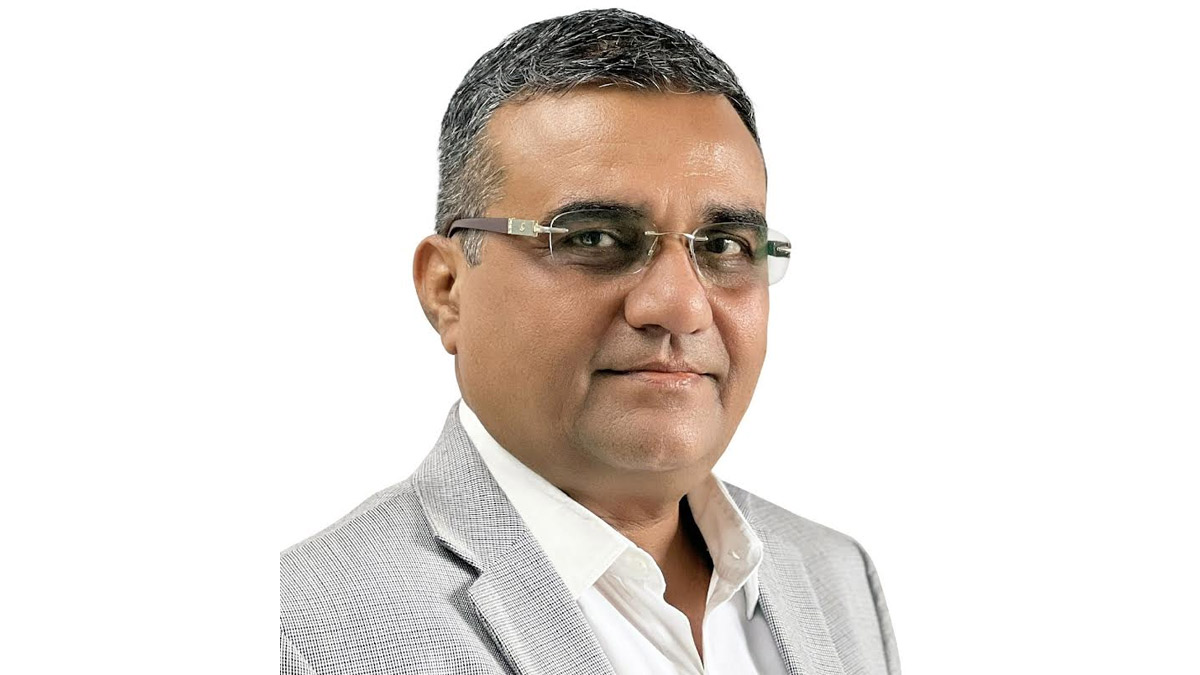
MUMBAI: A new chief, a fresh diagnosis and a sharper prescription for growth. Beacon Group has appointed Dr Rajesh Patel as its Group Chief Executive Officer, effective April 1, 2026, signalling a decisive push to scale its presence in the diagnostics and IVD space. Patel steps into the role with 36 years of experience across the healthcare and diagnostics industry, bringing a career shaped by leadership roles spanning sales, marketing, business development and operational strategy. His mandate is both expansive and precise: to steer the group’s overall strategic direction while tightening coordination across its three core entities Beacon Diagnostics, Vector Biotek and Biogeny Diagnostics.
In practical terms, that means driving cross-company synergies, accelerating market expansion and strengthening organisational capability areas increasingly critical as diagnostic players compete for scale in a fragmented yet rapidly evolving healthcare ecosystem. The group is positioning itself to capture unmet demand across chain laboratories, key accounts and standalone labs, segments that remain underserved despite growing diagnostic needs.
The appointment comes at a time when the In Vitro Diagnostics (IVD) sector in India is entering a more competitive and innovation-led phase, with companies focusing not just on product pipelines but also on service delivery, integration and customer-centric models. Beacon’s leadership appears to be betting that Patel’s execution-focused approach can help translate ambition into operational momentum.
Welcoming the appointment, Chairman Dr D K Joshi described Patel’s induction as a strategic move aligned with the group’s long-term vision, emphasising the role of leadership depth in navigating the next phase of growth.
For Beacon Group, the message is clear, in a sector where precision matters, leadership is the new differentiator—and this appointment is intended to set the tone for what comes next.






