MAM
Yahoo APAC teams with Wharton Future of Advertising Program


NEW DELHI: Yahoo Asia Pacific is collaborating with the University of Pennsylvania’s Wharton Future of Advertising Program (WFoA) to jointly develop an industry framework for native advertising, a rapidly emerging form of digital advertising. The framework will act as a guideline for maximising the effectiveness of native advertising.
 |
|---|
Online advertising is evolving with less obtrusive formats such as native ads, which have high engagement rates because they blend advertising seamlessly with the digital content environment. The collaboration between Yahoo and Wharton will include selective crowd-sourcing of ideas and innovations for native advertising, both online and through roundtable discussions with practitioners, thought leaders and social scientists globally. Wharton and Yahoo kick started the process by hosting an invitation-only roundtable recently in Singapore and discussed the future trends and likely direction of native advertising. Yahoo will also tap into the WFoA Global Advisory Board comprising more than 80 thought leaders from the world’s most innovative advertising agencies, technology companies and research institutes.
 |
|---|
“We‘re proud to be leading the discussion on the future of native advertising amongst advertisers, publishers and agencies to develop an industry framework around this emerging trend. Working together with Wharton, we will create a reference point on how native advertising is defined and measured in the marketplace,” said Yahoo India-SE Asia and head of advertising solutions Asia Pacific MD Yvonne Chang.
Commenting on the partnership, Jerry Wind, Professor of Marketing at Wharton and Academic director of the Wharton Future of Advertising Program, said, “We are excited to work on such a groundbreaking venture with Yahoo.” He added, “At Wharton we have a deep and committed interest in the future of digital advertising and how it will evolve over the years to come. Our collaboration with the Yahoo team will strengthen the output of a native advertising framework by matching professional experience with our academic rigor.”
According to industry reports, native advertising is the fastest growing segment of online advertising. eMarketer estimates that native ad spending in 2012 reached $1.63 billion and will increase to $2.85 billion by 2014.






MAM
De Beers launches ‘A Diamond Is Forever’ centenary book
Visual retrospective traces 100 years of iconic slogan and cultural impact.
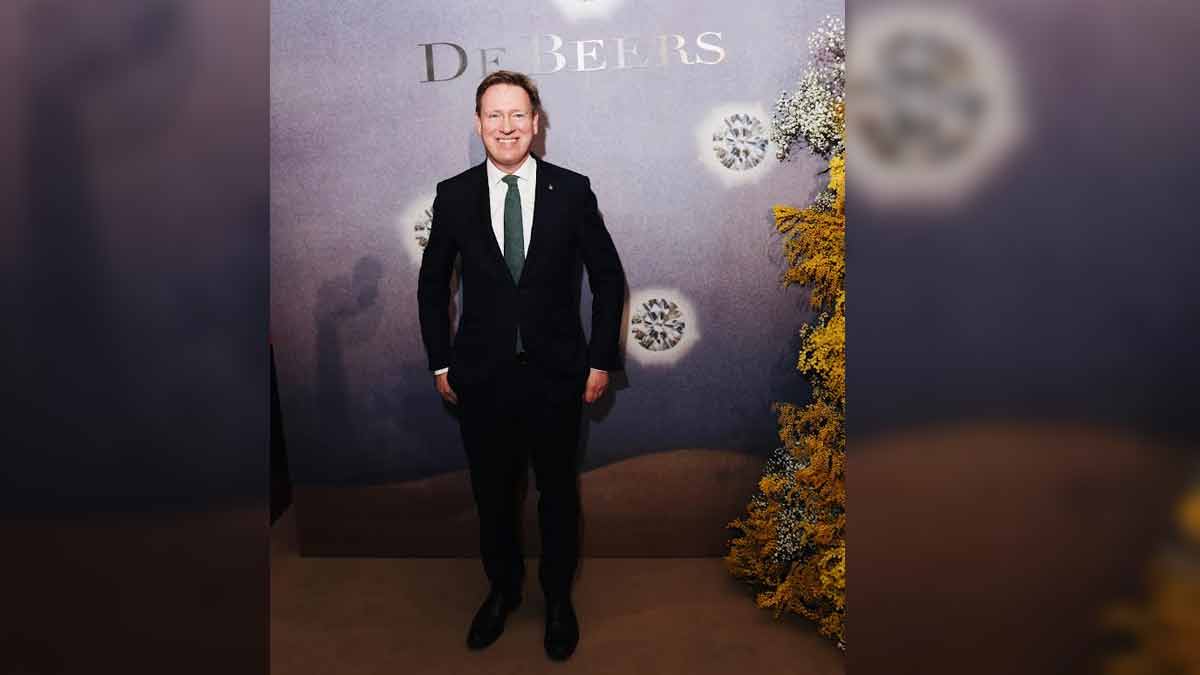
MUMBAI: De Beers just dropped a century’s worth of sparkle between two covers because when a four-word line becomes forever, even the book needs a forever title. De Beers Group has released A Diamond Is Forever: The Making of a Cultural Icon 1926–2026, a landmark visual retrospective celebrating 100 years of shaping the modern perception of natural diamonds. The book traces how the brand transformed diamonds from elite heirlooms into universal symbols of love, commitment and personal achievement, with rare archival material, campaign highlights and cultural commentary.
At its core is the legendary 1947 slogan “A Diamond Is Forever,” penned by N.W. Ayer copywriter Frances Gerety. The four words redefined diamonds as eternal promises, earning the title of the 20th century’s greatest advertising slogan from Advertising Age in 1999. The book explores how this idea and others like the “Two Months’ Salary” guideline and the “Right Hand Ring” influenced social rituals, female independence and consumer behaviour worldwide, including in India, where diamonds shifted from gold-centric traditions to emotionally resonant milestones.
Beyond marketing, it showcases collaborations with artists like Pablo Picasso, Salvador Dalí and Raoul Dufy, alongside icons such as Marilyn Monroe and Elizabeth Taylor. Later campaigns, including the 1990s “Shadows” series set to Karl Jenkins’ Palladio, reinforced diamonds as timeless and unique. The narrative also addresses today’s focus on provenance, sustainability and ethical stewardship, positioning natural diamonds as symbols of both enduring love and responsible luxury.
The book arrives as De Beers marks a century of innovation in luxury marketing, from the Great Depression to the era of conscious consumption, offering a rare window into one of advertising’s most enduring brand stories.
In a world where trends fade fast, De Beers didn’t just sell diamonds, it sold forever, and now it’s bound the proof in pages that will outlast even the hardest carat.








