MAM
WPP Mindshare starts Brands & Films division

MUMBAI: WPP Mindshare has started a new division called Brands & Films (B&F) to explore film-related marketing opportunities for its network of 250 clients including the various Hindustan Lever brands.
Mindshare planning director Navin Shah, who has been appointed to head the unit, reports to WPP Broadmind national director M Suku.
Shah elaborates: “We are attempting to marry the ‘science’ of media with proper valuation of entertainment and film properties. Using complex valuation modules for analyzing the strengths of the films, we ascertain the cost of acquisition from producers. We also explore other opportunities such as in-film placements, merchandising opportunities and promotional opportunities.” Recently, B&F organised a special screening of Lagaan in Kolkata to commemorate the centenary celebrations of Sunlite, an HLL brand.

B&F negotiates with producers to buy the rights of films which are then telecast on national broadcaster Doordarshan’s national network. “We negotiate with the producers for a cost-effective rate; show the film on DD; get FCTs in exchange from DD; sell the FCTs to our clients and pay the producers. DD gets to screen new films and doesn’t pay anything towards the content acquisition costs and the producers get their remuneration.”
B&F has developed modules that can evaluate the probable impact of a film on the viewers and its “cult value” at any given point of time. These findings are shared with the producers and the rates of acquisition are accordingly determined through a process of consultation. B&F has started networking with several producers and made presentations to more than 80 per cent of the producers in India. “The eyeballs depend on the “cult value” of the film at any given point of time. B&F provides an intermediary that connects the advertisers and the producers because we understand both sides of the varied businesses. It is like marrying the “street” with “science” because the film business hasn’t been using any sophisticated tools or techniques for evaluations,” adds Shah.
On 3 January, B&F and DD organised the screening of Yash Johar’s Kuch Kuch Hota Hai in the Friday night slot. DD has a policy wherein the films that were released after 1994 are shown on Friday night slots and those released before 1994 are shown on the Saturday night slots.
A rating specialist claims that the eyeballs for such films shown on DD depend on various aspects and do not necessarily depend on the box-office performance: mega-hits get higher TVRs as the viewers relive the enjoyable experiences and memories associated with the film; semi-hits also get good ratings as many viewers have not yet seen the films.
WPP Media is India’s largest media investment management group with billings in excess of Rs 15 billion, stated the official release. It has three operating units MindShare India, MindShare Fulcrum and Maximize that provide media planning, buying & research services. The specialist services are provided through its Advanced Techniques Group, M Digital, Media Consumer Insights Group, BroadMind & WPP Outdoor.
Part of the WPP Group, one of the world’s largest communications services companies WPP Media has 70 offices in 51 countries throughout the USA, Latin America, Europe, Middle East, and Asia Pacific.






MAM
Flipkart elevates Asim Saurav Das to Director role
Nearly decade-long journey sees brand marketing veteran take on senior leadership position.
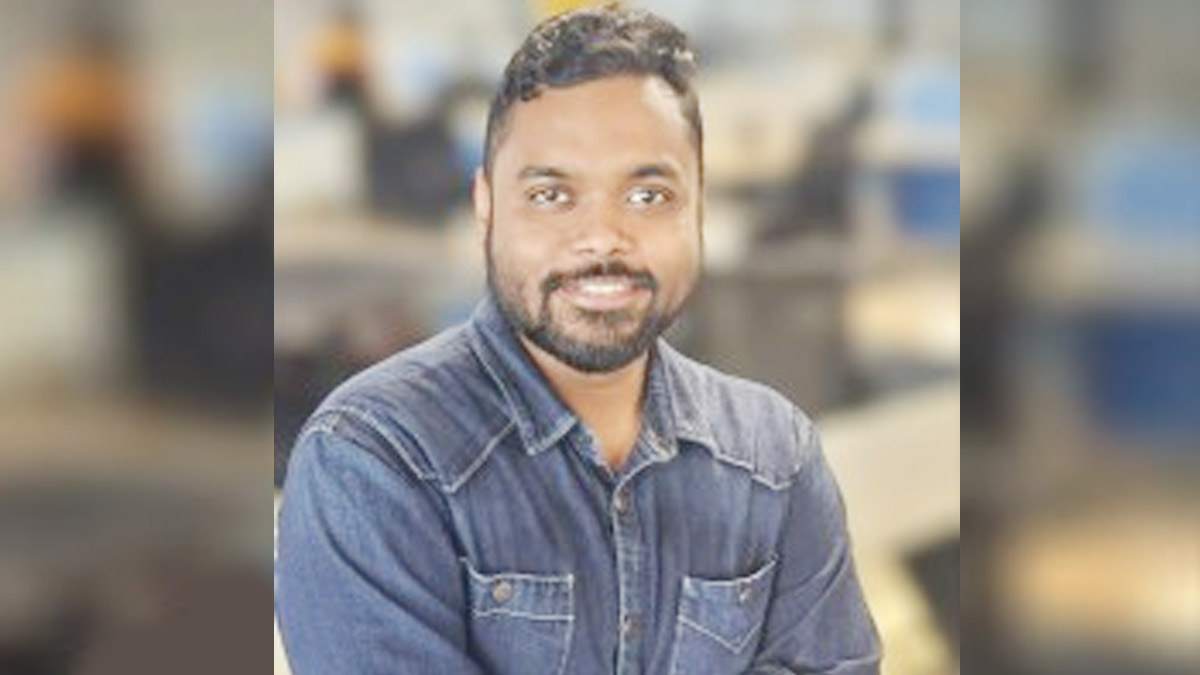
MUMBAI: When you climb the e-commerce ladder one thoughtful campaign at a time, eventually the view from the top becomes irresistible and Asim Saurav Das has just reached a new floor. Asim Saurav Das has been elevated to director at Flipkart, marking a significant milestone in his nearly decade-long journey with the organisation. In his new role, he will continue to drive strategic initiatives across brand and marketing, contributing to Flipkart’s growth and market leadership in India’s fiercely competitive e-commerce landscape.
Das joined Flipkart as a Management Trainee and has steadily risen through the ranks, holding key positions including Brand Marketing Manager, Senior Manager, and Associate Director. Before Flipkart, he gained early experience with Procter & Gamble and Hindustan Times. His elevation reflects a strong track record in brand strategy, consumer insights, and delivering impactful marketing outcomes.
From trainee to director in under ten years, Das has clearly mastered the art of scaling brands proving that in the world of online retail, the best way to the top is still through smart, consistent steps rather than shortcuts.








