AD Agencies
WPP Media elevates Dipti Gulati to vp, client growth for APMEA
Singapore-based executive to commercialise AI-powered solutions business across the region

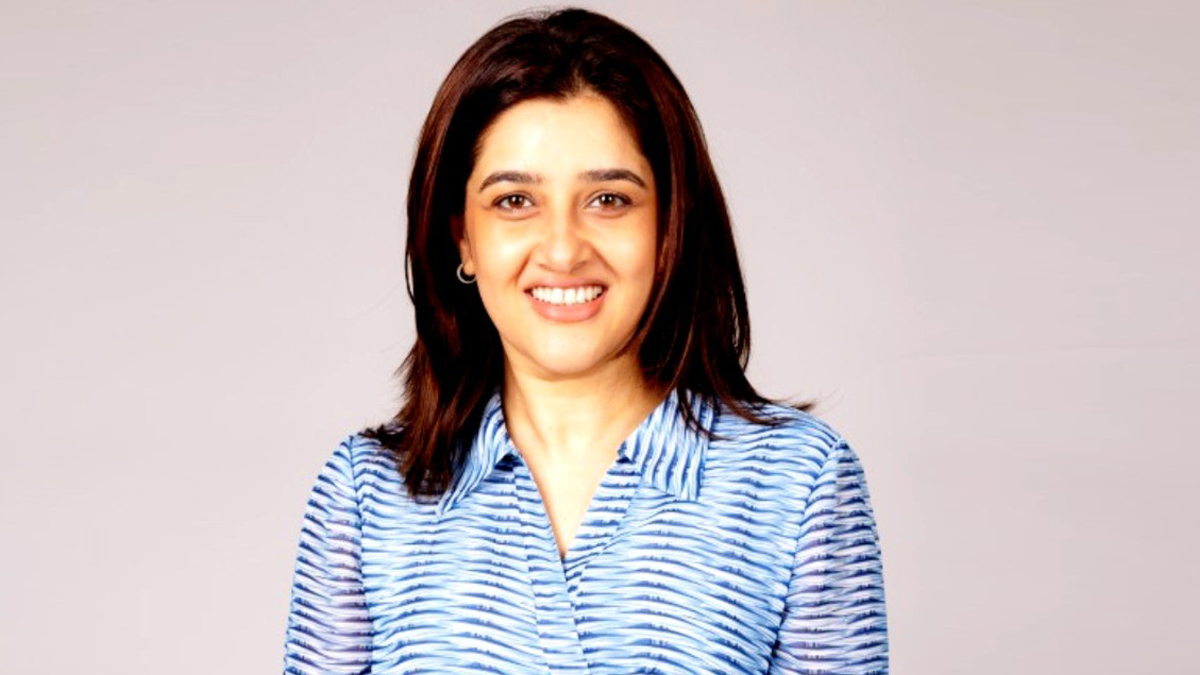
SINGAPORE: WPP Media has promoted Dipti Gulati to vice president, client growth, handing her the mandate to lead the commercialisation of its solutions business across APMEA.
Based in Singapore, Gulati steps up after serving as senior director, client growth, where she drove expansion across APAC spanning programmatic, search, social, CTV, DOOH and cross-channel offerings. Now, she is tasked with translating advanced AI, data and technology ecosystems into scalable growth strategies for global brands across FMCG, luxury, F&B and financial services.
“I commercialise the future of media — at scale, across APMEA,” Gulati said, announcing her appointment. She added that she turns advanced data, AI and technology ecosystems into real commercial outcomes, shifting the conversation “from a pure media play to owning business outcomes”.

Her brief is unapologetically future-facing: addressable, accountable and AI-powered media. She will work with cross-market teams across APMEA, bringing together diverse perspectives and cultures to accelerate growth and build what she calls the “future of media”.
Gulati’s rise caps nearly two years at WPP Media and follows a six-month stint as regional director of growth, APAC, at Mindshare, where she led new business development and expanded capabilities for existing clients. Earlier, as global account director for integrated marketing communications on the Unilever business, she drove communications strategy for multi-million dollar beauty and wellbeing brands across Southeast Asia.
Before that, Gulati spent close to two years as associate director at Warner Bros. Discovery in Singapore. She also served as director, strategic partnerships and market development at TrustSphere, leading go-to-market and growth initiatives across Asia and evangelising relationship analytics to C-level executives. TrustSphere, credited by industry and Harvard Business School case studies as a pioneer in relationship analytics, became a springboard for her deeper engagement with data-driven growth.
Her board and evangelist roles at the Asia Cloud Computing Association and its Asia Analytics Alliance further sharpened her regional policy and analytics credentials. Earlier chapters include marketing consultancy at Blockchain Foundry and a seven-year run at Warner Bros. Discovery in India, where she led ad-sales and business development for HBO and WB across north and east India, delivering record billings. She began her career at Diligent Media Corporation Ltd and Bennett, Coleman and Co. Ltd..
From ad-sales floors in Delhi and Mumbai to boardrooms in Singapore, Gulati’s arc mirrors the industry’s own shift — from selling spots and slots to engineering outcomes through data and AI. At WPP Media, the brief is clear: scale smarter, move faster and turn algorithms into advantage.






AD Agencies
Tribes and Omnicom Media win Gold for HSBC Living Hexagon at ET Awards
Kinetic OOH installation turns HSBC’s iconic logo into a living landmark

MUMBAI: Tribes Communication and Omnicom Media have secured a Gold win at the ET Design & Creativity Awards for their innovative out-of-home installation, The Living Hexagon, created for HSBC.
Awarded in the Most Creative Traditional OOH category, the project reimagines one of the world’s most recognisable banking symbols into a dynamic, ever-evolving structure. Designed for HSBC’s International Financial Services Centre presence, the installation was conceived to do more than simply grab attention. It aimed to seamlessly blend into the fast-growing ecosystem of GIFT City.
At the heart of the idea is HSBC’s iconic hexagon, typically associated with precision and consistency. Tribes transformed this static identity into a kinetic structure that responds to natural elements such as wind and light, creating a sense of continuous motion. The result is a visual experience that shifts throughout the day, echoing themes of adaptability and momentum.
Constructed using modular triangular units arranged along a precise geometric axis, the installation moves in synchrony, giving the illusion of a fluid, living form. While the structure evolves with its surroundings, it retains the unmistakable identity of the HSBC brand, striking a balance between innovation and familiarity.
Strategically placed at a key entry point into GIFT City, the installation functions as both a landmark and a statement. It reflects the pace and dynamism of global finance while embedding the brand into the city’s architectural narrative.
With this win, Tribes Communication and Omnicom Media underline the growing role of experiential and design-led thinking in traditional media, proving that even the most established brand assets can find new life when reimagined with creativity and context.







