MAM
WPP, Coca-Cola, BBDO Worldwide top Effie Effectiveness Index

MUMBAI: Effie Worldwide has released its global rankings for the most effective marketers, brands, agency holding groups, agency networks, agency offices and independent agencies according to results of the 2015 Effie Effectiveness Index.
Now in its fifth year, the Effie Index recognizes the architects of the most effective marketing communications ideas from around the world, determined by their success in more than forty national & regional Effie Award competitions.

Companies ranked highest in the 2015 Effie Effectiveness Index globally include The Coca-Cola Company (marketer) and Coca-Cola (brand), WPP (agency holding group), BBDO Worldwide (agency network), Colombian agency Sancho BBDO (individual agency office) and Ukraine’s Banda Agency (independent agency).
“Effie Worldwide’s annual Effie Index recognizes the exceptional ideas that delivered results and made a difference for businesses globally. The Index is distinctively comprehensive in that it shines a light on the incredible ideas that worked around the globe, from local to international campaigns, and from both multi-nationals and independent brands. This year’s honorees have set the bar higher for the industry and proven that great creative combined with thoughtful strategy equates to successful marketing initiatives,” said Effie Worldwide chair of the board of directors and Facebook vice president, global marketing solutions Carolyn Everson.
Highlights from this year’s rankings include TheCoca-Cola Company unseating Effie Index incumbent Unilever (now second) as the top ranked marketer. Procter & Gamble retained its third place position. Coca-Cola remained the most effective global brand for the third year in a row. Vodafone jumped to second place, bumping McDonald’s down to third in the global brand ranking.
The top three most effective holding groups remained unchanged from last year, with WPP Group ranked as the most effective agency holding group for the fourth consecutive year, followed by Omnicom and Interpublic. For the second year in a row, BBDO Worldwide topped the world’s most effective agency network ranking, with McCann Worldgroup moving up one spot to second, pushing Ogilvy & Mather to third.
Sancho BBDO topped the Global Individual Agency Office rankings for the second year in a row. Banda Agency regained its spot as the most effective independent agency in 2015. It was previously ranked first in the 2013 rankings.
“The Effie Effectiveness Index is the world’s most prestigious ranking of effective marketing, and five years of data allows for a bigger picture to compare and contrast the trends in marketing. What’s more, by having access to the cases that led to success in the Effie Index, marketers can study best in class examples of effective marketing from around the globe,” said Effie Worldwide president and CEO Neal Davies.
The 2015 Effie Effectiveness Index is compiled from 3,136 finalists and winning entries from worldwide Effie Award competitions between 1 January, 2014 – 31 December, 2014. This is the first time the Effie Index rankings were calculated using a January-December qualifying period, which will provide marketers with a better understanding of their success over a single calendar year. Previous rankings were tabulated over a June-June eligibility time period.
Effie Index Global Rankings:
The top five most effective marketers in the world are: The Coca-Cola Company, Unilever, Procter & Gamble, Mondelēz and PepsiCo.
The top five most effective brands in the world are: Coca-Cola, Vodafone, McDonald’s, Pepsi and Movistar.
The top five most effective agency holding groups are: WPP Group, Omnicom, Interpublic (IPG), Publicis Groupe and Havas.
The top five most effective agency networks are: BBDO Worldwide, McCann Worldgroup, Ogilvy & Mather, Lowe & Partners and Young & Rubicam.
The top five most effective individual agency offices are: Sancho BBDO (Bogota), FP7/DXB (Dubai), Lowe Lintas (Mumbai), Ogilvy & Mather (Mumbai) and FCB New Zealand (Auckland).
The top five most effective independent agencies are: Banda Agency (Kiev), MINT (Dubai), thjnk (Hamburg), ACG Advertising Agency (Budapest) and Barnes, Catmur & Friends (Auckland).
The Index can also be analyzed by region and the companies that ranked highest in each region in 2015 are:
Asia Pacific
Unilever (marketer), Coca-Cola (brand), WPP Group (agency holding group), Ogilvy & Mather (agency network), Lowe Lintas – Mumbai (agency) and Barnes, Catmur & Friends – Auckland (independent agency).
Europe
Unilever (marketer), Coca-Cola (brand), WPP Group (agency holding group), McCann Worldgroup (agency network), Adler, Chomsky & Warshavsky Grey in Tel Aviv (agency) and Banda Agency in Kiev (independent agency).
Latin America
The Coca-Cola Company (marketer), Movistar (brand), WPP Group (agency holding group), BBDO Worldwide (agency network), Sancho BBDO – Bogotá (agency) and a tie between Madre Buenos Aires and Beat (Bogota) (independent agency).
Middle East & Africa
Unilever (marketer), Coca-Cola (brand), Interpublic (IPG) (agency holding group), McCann Worldgroup (agency network), FP7/DXB – Dubai (agency) and MINT – Dubai (independent agency)
North America
Procter & Gamble (marketer), Dove (brand), Publicis Groupe (agency holding group), Starcom MediaVest Group (agency network), Starcom MediaVest Group, Chicago (agency) and Cramer-Krasselt, Chicago (independent agency).






Brands
Emami names Dhruv Aggarwal as chief growth officer
Former Bain partner steps in as FMCG firm sharpens growth playbook
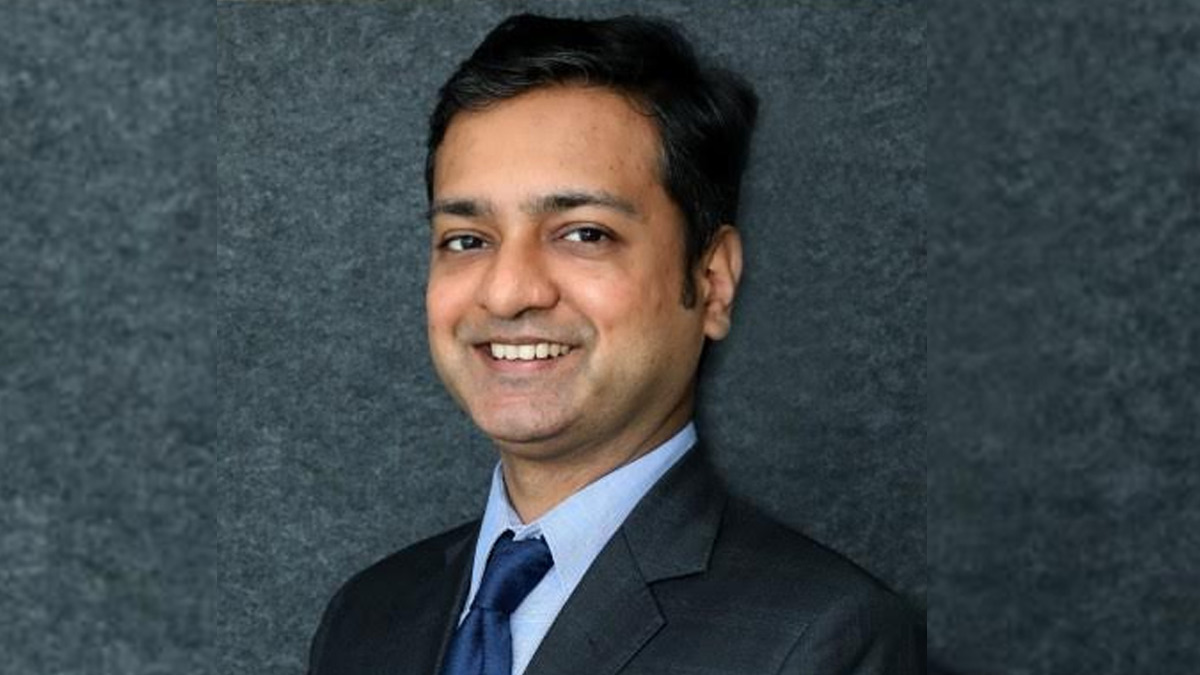
MUMBAI: Emami Limited has appointed Dhruv Aggarwal as its chief growth officer, effective 25 March 2026, following the resignation of Giriraj Bagri.
Aggarwal joins the FMCG major from Bain & Company, where he most recently served as partner. With over two decades of experience across consulting and strategy, he brings a global perspective shaped by work across India, the US, the UK and Germany.
During his tenure at Bain, Aggarwal advised consumer, retail and media companies on large-scale transformations, business turnarounds and growth strategies. He was also closely involved with India’s startup ecosystem, guiding early-stage ventures on scaling and digital expansion, while supporting private equity and venture capital firms on investment decisions.
His earlier stints include a brief role at Barclays Capital and operational experience at Jindal Power, giving him a mix of financial and industry exposure.
Academically, Aggarwal holds an MBA from Indian Institute of Management Bangalore and has also been associated with University of Illinois Urbana-Champaign as a PhD candidate and teaching assistant.
The appointment comes at a time when Emami Limited is looking to sharpen its growth strategy in a competitive consumer market. With a seasoned strategist now at the helm of growth, the company appears set to double down on transformation and expansion in the months ahead.








