MAM
Women’s fashion wear brand ‘W’ to unleash new ad campaign

MUMBAI: W, the fashion brand for contemporary Indian women has launched its new advertising campaign that breaks this September. W’s campaign rightly portrays the modern Indian woman in her different facets, that of a professional, a homemaker, a wife and so on, through vivid illustrations in a series of ads, with the central theme, of W’s ensemble instilling confidence, comfort and style in every woman’s lifestyle.
The tagline of the campaign, “Make every step a fashion statement” beckons every woman to lead her life with elegance and fashion, creating her own style statement, wherever she goes.
The ad campaign will break this month in Femina and Reader’s Digest followed by a series of ads in print dailies like Delhi Times, Mumbai Times, Deccan Herald, Anandlok and Satananda breaking on 15 September.

In keeping with W’s aim to celebrate the true spirit of womanhood, the brand has depicted the varied moods/roles of the new age women through its communication, highlighting its brand values-modernity, individuality and fashion. W’s fresh and innovative advertising breaks the clutter amidst the advertising for various women’s wear brands.
W chief executive officer Vijay K Mishra says, “W’s advertising has evolved along with the brand, that is constantly customising its offering, to cater to the changing needs of the modern Indian woman. Fashion is increasingly becoming an important element in the life of today’s Indian woman with growing awareness, globalisation and lifestyle changes. W’s new campaign connects with the contemporary Indian woman who wants to be trendy, suave yet comfortable with her image in varied environments.”
W has a national presence across 30 cities through exclusive stores in Delhi, NCR, Amritsar, Jalandar, Kolkata, Lucknow, Ahmedabad, Baroda, Surat, Mumbai, Pune, Chennai, Hyderabad and Bangalore.
It is also available at leading Multi-Brand Outlets (MBO) like Shoppers Stop, Lifestyle, Globus, Pyramid and Pantaloon in major cities. W is steadily expanding its presence in the country and aims to have 130 points of operation by 2007-08.
The W brand is owned by TCNS Clothing Company Pvt. Ltd., which is promoted by O S Pasricha of TCNS Ltd., a premier apparel manufacturer and exporter. The company exports to leading brands across the world some of which are Levi’s, GAP, Old Navy, May Department, Banana Republic, Saks Inc, J.C.Penney etc.


MAM
10 years of UPI: India’s payments system hits 21.7 billion transactions a month
From queues to QR codes, digital push drives inclusion and real-time ease
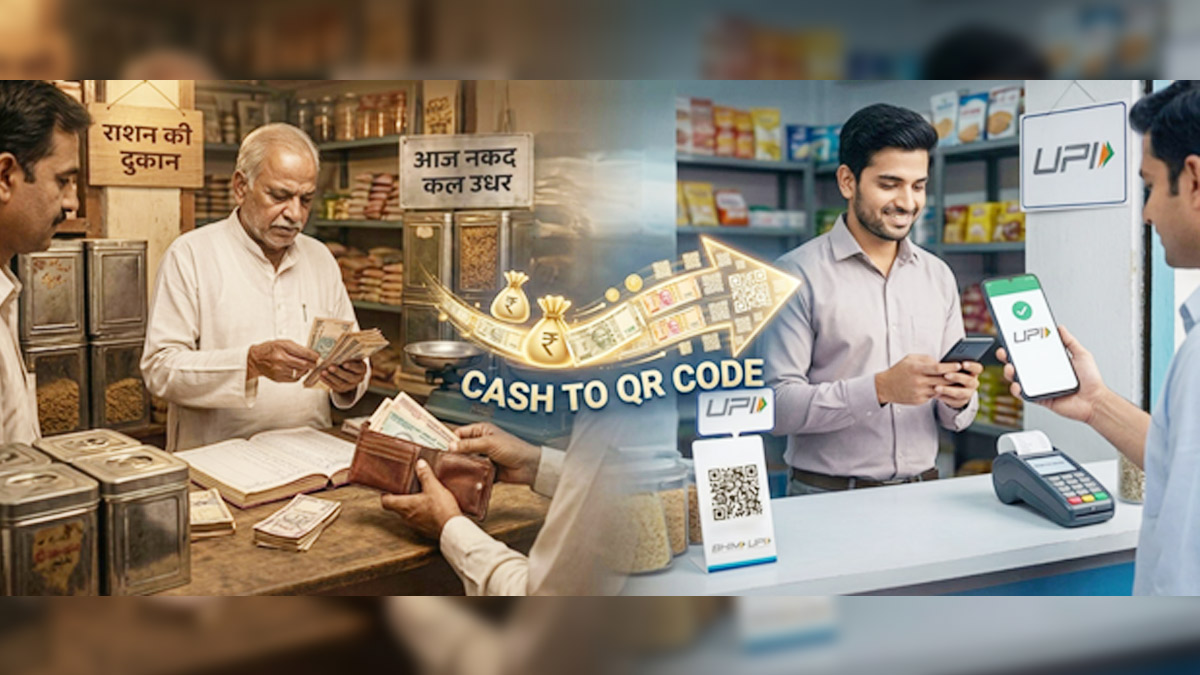
NEW DELHI: India’s digital payments story has come a long way from queues at bank counters to instant QR code scans, with the Unified Payments Interface now processing a staggering 21.7 billion transactions in a single month, underlining its position as the world’s leading real-time payments system.
Not too long ago, routine transactions meant paperwork, waiting periods and, for many, complete exclusion from the formal financial system. Today, that landscape has been fundamentally reshaped by a digital ecosystem built on scale, simplicity and accessibility.
The shift gained momentum in the early 2000s when the Reserve Bank of India introduced systems such as RTGS and IMPS. While these laid the groundwork for faster payments, their reach remained limited to those already within the banking fold.
A decisive breakthrough came with the JAM trinity, combining the Pradhan Mantri Jan Dhan Yojana, Aadhaar and widespread mobile connectivity. This framework expanded financial access, enabled direct benefit transfers and familiarised millions with digital transactions.
“The JAM Trinity catapulted our banking to a different level altogether,” said Nirmala Sitharaman, highlighting its transformative impact.
Launched in 2016 by the National Payments Corporation of India, UPI simplified money transfers by removing the need for complex bank details. With just a mobile number or UPI ID, users can send and receive money instantly, round the clock.
Its scale has expanded rapidly, with participating banks growing from just over 200 in 2021 to nearly 700 by early 2026. Today, UPI accounts for 81 percent of India’s retail digital transactions and nearly half of global real-time payment volumes, according to global institutions such as the International Monetary Fund and the World Bank.
Beyond convenience, the platform has driven deeper financial inclusion. From street vendors and autorickshaw drivers to rural traders and domestic workers, millions now participate in the formal economy through instant, low-cost transactions. The system has also opened doors to credit, insurance and savings products for previously underserved segments.
New features such as UPI Lite, AutoPay and credit integration are further expanding its scope, turning it into a broader financial platform rather than just a payments tool. At the same time, enhanced security measures like two-factor authentication have strengthened user trust and reduced fraud risks.
India’s payments innovation is also gaining global traction, with UPI-linked systems now operational in multiple countries, enabling seamless cross-border transactions and boosting remittances.
What began as a solution for financial inclusion has evolved into a global benchmark for digital payments. As India continues to move from queues to QR codes, UPI stands as a powerful example of how technology can simplify everyday life while driving economic participation at scale.







