AD Agencies
Will GenAI be a revolutionary force of change in the CTV space

Mumbai: The world of television viewing has undergone a significant transformation. From the era of linear television, today we’re undoubtedly on connected screens, where most of our content consumption is online. CTV has emerged as a force to reckon with for both consumers and advertisers. For brands, CTV offers a great opportunity to blend the world of engaging storytelling associated with television advertising with the benefits of programmatic technology that offers advanced targeting, optimization, and measurement.
AI has always been at the core of programmatic advertising and CTV, enabling anything from predictive targeting to anti-fraud protection. Now, thanks to the emergence of Generative AI and the availability of the models behind it, we’re looking at another transformative era unlocking even more value for brands and advertisers.
The Current State of CTV & Rise of OTT

There’s been a surge in OTT adoption globally, which has significantly contributed to the rise of CTV as viewers opt for better streaming quality and bigger screens, while opting out of expensive cable subscriptions. Although this trend started in the United States, it is estimated that 40% of households in Europe’s biggest markets – UK, Germany, France, Italy and Spain – use CTVs. On an eastward journey, CTV has also become a 4-hour daily ritual in India where on-demand content reigns supreme.
Globally, the OTT market is burgeoning due to the diverse variety of local and international content these platforms offer. Industry research forecasts the global OTT video market’s revenue is expected to hit US$295Bn, with an expected annual growth rate (CAGR) of 7.29% from 2023 to 2028. Emerging economies like India have also seen a phenomenal growth in OTT video content, both on the back of global OTT players entering the market as well as increased competition among local players offering niche content.
This shift towards OTT viewing, particularly among younger audiences, has presented a unique opportunity for advertisers to utilize CTV – where OTT content is mostly consumed – for creating highly targeted and engaging ad campaigns. With the viewing audiences spread across OTT apps and through various times of the day, advertisers can craft messages that resonate more effectively with specific demographics. Advertisers on CTV benefit from the enhanced user engagement and attention on OTT content. With many platforms moving to an AVOD model, the CTV advertising market is further expected to grow in the years to come.
Emergence of GenAI and its Impact on CTV
Programmatic technology on CTV has leveraged AI technology in many ways since its inception, whether it is to segment and target audiences to maximize engagement, to optimize bid pricing in real time or to identify patterns that are indicative of potential fraud. This “traditional AI” allows programmatic advertising to be super efficient by using sophisticated algorithms that can predict and make their own decisions following a set of rules or predefined goals. Generative AI, however, is different in that it does not need to follow predefined rules and it can instead come up with its own. This is a key difference. Generative AI is based on Large Language Models (LLMs in short) and, unlike “traditional AI”, it can also create new content – text, images and video – based on patterns it learns from the underlying training data. This is what makes it transformative and opens a whole new set of opportunities for increased efficiency and value creation for brands on CTV.
As with any new transformative technology, there will certainly be an evolution until the full value can be realized, but with so many models becoming readily available and affordable, the industry (and the whole world) is moving very fast. Notably, there are three specific areas where Generative AI can make a material difference on CTV advertising:
a. Making sense of unstructured language based information – imagine the transcript of any given TV show, for example – to identify contexts and create new ones just became easier. Thanks to this, the dependency on pre-defined content categorization for campaign targeting or optimization is greatly reduced.
b. More engaging and cost effective creatives can be easily unlocked thanks to GenAI. I’d argue that humans will still be needed in the creative process for a long time, but there is no question that the ideation part of the creative process can be enriched by the use of Gen AI tools, and executing new video creatives and variations is today possible at much lower production costs, which also enables much more efficient AB testing to maximize engagement.
c. Interpretation of campaign data and communication of value for the brand is another area where I’d expect Gen AI to have a huge impact, sooner rather than later, allowing campaign managers to focus on improvement rather than reporting.
Even if full automation is still not possible and much human interaction is absolutely necessary, what we can do with AI tools today to personalize creatives, making them more dynamic and engaging, already represents a material leap. Some of this will take time, but imagine how a sports apparel brand can easily create multiple ads featuring a visually captivating video of runners: in a rural or urban setting, featuring a family or a group of friends, in winter or summer with the ads being shown depending on the households targeted, and strategically placed during content most relevant for the target demographic. Or imagine how a food brand in a multi-linguistic country like India can leverage GenAI tools to make vernacular advertising easier and automatically target different regional consumer groups. This not only improves the relevance of ads but also maximizes the effectiveness of ad campaigns, ultimately boosting value for advertisers and revenue for content providers.
By the same token, GenAI can also be used to identify and preempt contexts to ensure ads are being placed in a brand-safe environment for a particular audience. Imagine tools based on Gen AI that automatically discard showing ads on entertainment content intended for kids or shows that a brand considers too violent.
Looking to the Future
GenAI is not just an incremental step forward; it represents a paradigm shift, potentially redefining the CTV landscape and its strong players. Brands leveraging it are already one step ahead of the game. GenAI promises to elevate the CTV experience for viewers and advertisers alike. A promising future, with the intersection of technology and creativity in advertising helping reach new heights.
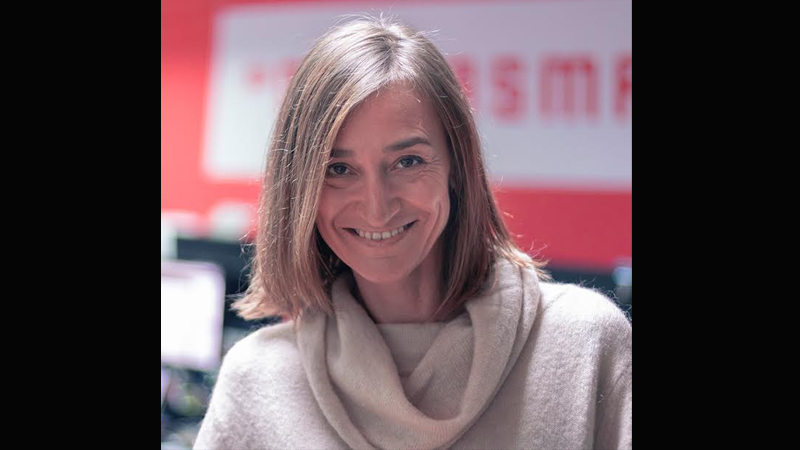
The author of the article is mediasmart CEO Noelia Amoedo.






AD Agencies
ABBY Awards 2026 names Rajdeepak Das, Khazanchi, Ramaswamy jury chairs
Top creative leaders to steer judging across film and direct categories
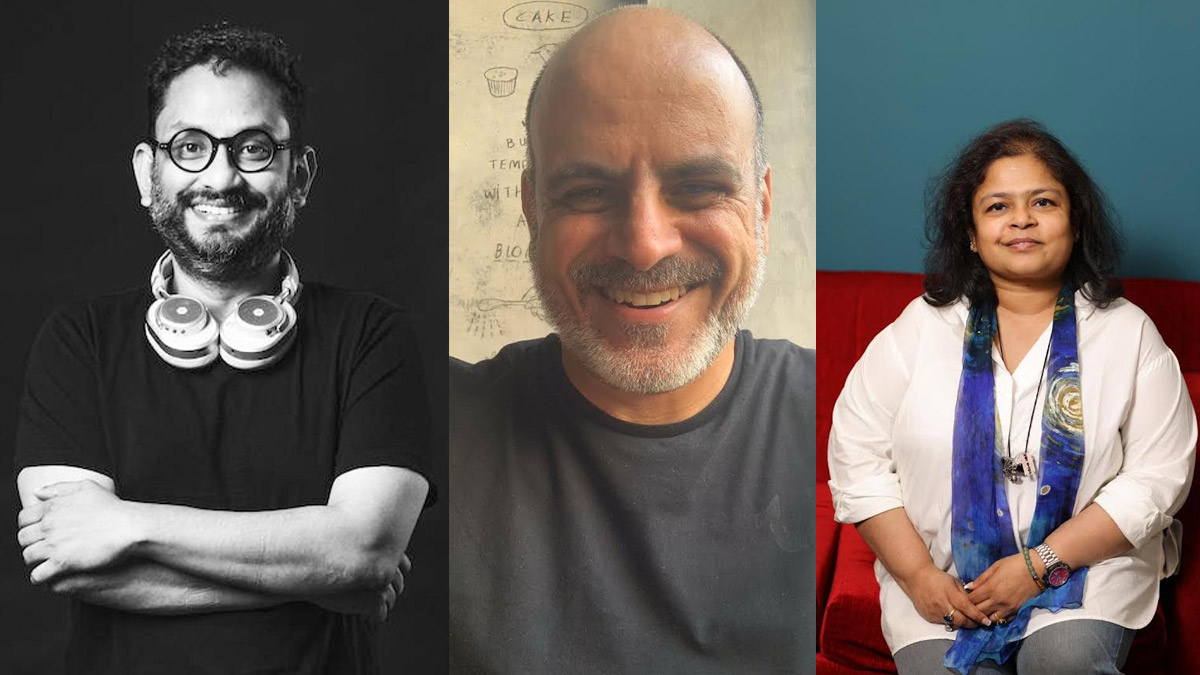
MUMBAI: The Ad Club has announced the appointment of three of India’s most prominent creative leaders as jury chairs for the ABBY Awards 2026, powered by The One Club.
Rajdeepak Das, chief creative officer, South Asia, Publicis Groupe and chairman, South Asia, Leo Burnett, will chair the AV Film (TV) category. Ashish Khazanchi, managing partner at Enormous, will lead the AV Film (Digital and OTT) jury, while Anupama Ramaswamy, managing director and chief creative officer at Havas Creative India, takes charge of the Direct category.
The trio brings a mix of creative firepower and industry experience to the judging table. Das is known for blending creativity with technology to solve real-world problems, with landmark campaigns such as Whisper’s “Touch the Pickle” and “Missing Chapter” helping reshape conversations around menstrual health. His work has earned top honours at global platforms including Cannes Lions and The One Show.
Khazanchi, meanwhile, has built Enormous into one of India’s leading independent agencies. Best known for creating Tata Sky’s “Jingalala” campaign, he has played a key role in shaping brand narratives for both legacy companies and startups, picking up hundreds of awards along the way.
Ramaswamy’s appointment rounds off the leadership trio with a strong focus on culturally resonant creativity. Her campaign “Ink of Democracy” became one of the most awarded works globally in 2025, earning multiple honours across Cannes Lions, Clio and Spikes Asia. Over the years, she has built a reputation for work that not only wins awards but also shapes public discourse.
The appointments come as the ABBY Awards continue to sharpen their global positioning, with backing from The One Club adding international heft to the platform.
The awards will be held during Goafest 2026 from May 20 to 22 at Taj Cidade de Goa Horizon, bringing together the industry’s top creative minds for what promises to be a closely watched showcase of ideas.
With heavyweight jury chairs in place, the stage is set for a high-stakes celebration of creativity where craft, culture and commerce collide.






