MAM
Why TV remains the preferred mode of advertising for brands

MUMBAI: Cord-cutting may be a thing in the west, but in India, television still rules the roost when it comes to at-home entertainment. Consequently, there’s a tremendous amount of money spent on TV content and advertising on the medium. However, the Covid2019 pandemic altered this TV-centric state of affairs; now, with changing world scenarios and consumer behaviour, we have already seen and can expect further shifts in the way viewers and advertisers interact with content on TV.
Indiantelevision.com organised The Television Boardroom- a virtual panel discussion that explored how to fully understand TV audiences as well as the brand journey through TV today.
The panel comprised esteemed representatives from the industry – Kotak Mahindra Bank joint president-consumer, commercial & wealth marketing Elizabeth Venkataraman, PepsiCo India head media and partnerships Om Jha, id Fresh Food chief marketing officer Rahul Gandhi, ITC chief operating officer- dairy and beverages Sanjay Singal, Maruti Suzuki India executive director – marketing and sales Shashank Srivastava and Indiantelevision.com's founder, CEO and editor-in-chief Anil Wanvari presided over the session.

Why TV takes biggest slice of brands’ adex pie
Maruti Suzuki’s Srivastava took the discussion ahead, sharing the company’s advertising spend – the auto-maker blows 40 per cent of its budget majorly on print, television is a close second at 30 percent and digital is at 25 per cent with the balance being split by radio, OOH and cinema.
“We are using TV at the top end of the funnel for the reach, brand awareness and brand salience KPIs. Clearly television stands out as a huge medium of importance when it comes to these points,” he added.
The executive director also shared how the growth in TV audience has been all-encompassing – not just in rural but also urban regions. Citing the example of how e-commerce giant Amazon was the third largest spender in advertising on TV in 2017-18 in India, he asserted that India is proving to be different from other countries when it came to the reach of television.
Id’s Rahul Gandhi spoke about how the rhetoric question of ‘Who even watches TV?’ should be done away with because “out of the 133-crore people in India a sizeable 100 crore use TV as their primary source of entertainment still”. Thus, “there are many Indias within India with different indicators, which could come as a shock to the naysayers.”
Also, with television reinventing itself by evolving into Smart TVs, which can be connected to the home wifi or an amazon firestick, it will continue to remain relevant to consumers and the viewership can only grow from here, was Gandhi’s opinion.
Pepsi’s Jha agreed that “TV remains indispensable to not only consumers but also to marketers” who wish to leverage their brand’s advertising. A large part of marketing that happens in India is centred around TV, for most of the brands and product categories. Speaking about the soft drink brand, Jha said they cater to both spectrums of consumers- from the lowest socio-economic strata to the deepest pockets of our society. And television helps them to reach the last mile of this wide-ranging audience from the two ends of the spectrum. Hence the bulk of the beverage company’s spends would remain in television, he said.
Where would a brand prefer to advertise on TV
Recently released BARC stats have shown an upward mobility in TV viewing. The panel theorised that the pandemic seems to have increased the value consciousness of the average Indian. Jha pointed out that “if one had to communicate with 90 per cent of the audience in this country” you will have to go to a mass-heavy medium like television. And that this will only further improve with improving affluence of societies in lower GDP markets like Jharkhand, Bihar and Orissa – which presents a great opportunity for brands like Pepsi for which these are untapped markets.
Even when it came to high value items like automobiles, Srivastava said that they still prefer television for more strategic brand building, launch and reaching even the interior vernacular regions, while print would be for tactical and lower end of the funnel. All agreed that these stats are highly encouraging, even for high value products. As, not only have the numbers but also the viewing time has spiked.
“Which is a big vindication of the automaker’s investment of 300 crores currently in television- of which GEC takes up 100-120 crores,” Shashank shared, referring to the IPL viewership touching a high of 400 billion viewing minutes.
Kotak’s Venkataraman made note of the unusual consumer viewing behaviour in the year gone by, which needed to be watched carefully to learn whether it sustains going ahead, as we come out of the pandemic. So while all agreed, TV viewership will be higher than 2019, but it will probably not remain at the levels that we see now.
Perspective on TV advertising in 2021
The jury is out on how many more covid waves the world has to contend with, before it can settle back into pre-Covid “normalcy”. It is apparent we need to learn to manage the waves, while learning to live with it without letting economic activity come to a complete standstill.
The outlook for 2021 is more optimistic, that it will be more like 2019 rather than the previous year. Herd immunity or vaccination impact also bodes well for settling in by mid-2022. So both viewership and marketer’s spending should improve this year on, was the general opinion.
“Projections for spending on TV adverts this year is 12 to 13 percent higher than previously,” Srivastava shared. There was overall hope and optimism from 2021 that it will not be an out and out disruptive year like the year before.







Brands
Boeing appoints Barun as head of FP&A for global engineering function
Seasoned finance leader to steer budgets and strategy across global centres
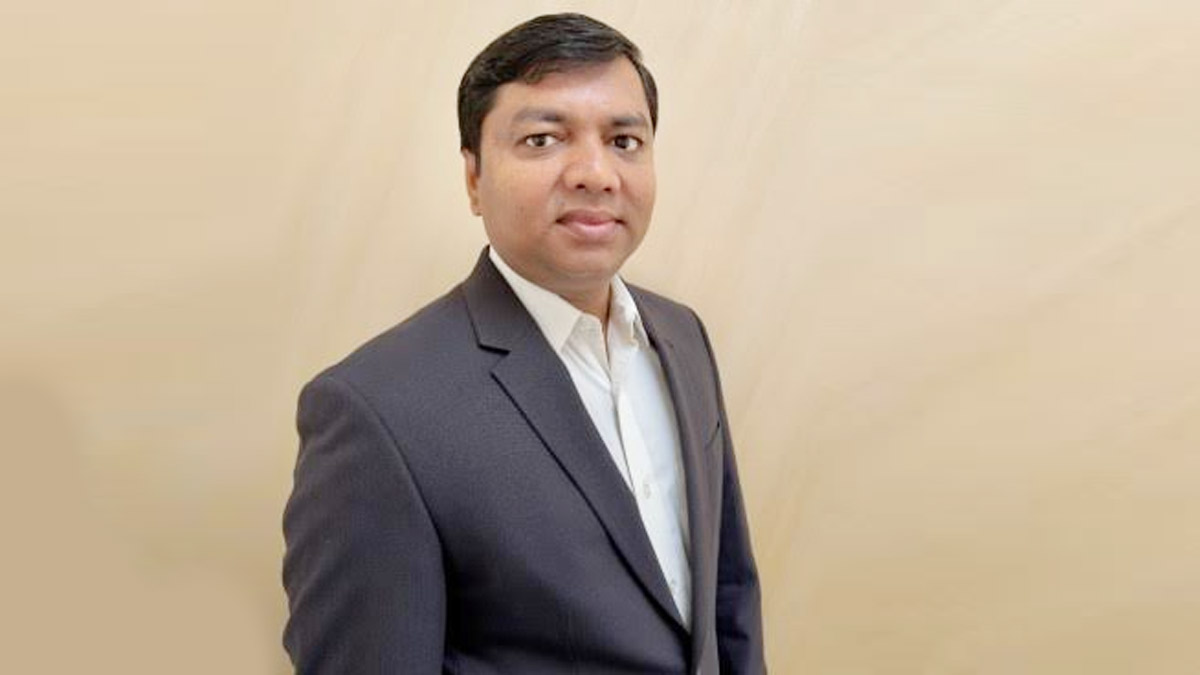
BENGALURU: Boeing’s finance cockpit has a new pilot, and he is no stranger to turbulence or transformation. Boeing has appointed Barun as head of FP&A for global engineering, placing him at the centre of financial strategy for its worldwide engineering and technology operations.
Based in Bengaluru, Barun steps into a role that is as expansive as it is critical. He will serve as the primary finance lead for Boeing’s Engineering and Technology Centers globally, working closely with executive leadership to shape financial decisions, manage complex budgets, and design scalable finance processes that support the company’s growing engineering footprint.
In a note announcing his move Barun said, “I’m excited to share that I’ve joined Boeing Global Engineering. This opportunity is incredibly meaningful to me not just from a professional standpoint, but also for what Boeing represents globally.” He added that he looks forward to contributing to an organisation that continues to shape the future of aerospace and innovation.
Barun’s mandate spans strategic financial leadership, operational oversight, and stakeholder engagement. From directing large-scale budgets and schedules to influencing long-term organisational goals, the role blends financial discipline with business foresight. He will also lead cross-functional teams and partner with finance colleagues worldwide to support engineering programmes across geographies, including India.
The appointment caps a long stint at Juniper Networks, where Barun spent over a decade, most recently as finance senior manager. There, he led FP&A for global product business units and G&A functions, driving budgeting, forecasting, and long-range planning. He also played a key role in enterprise-wide transformation, including spearheading an Oracle to SAP ERP migration and building advanced analytics capabilities using tools such as Tableau and SAP Analytics Cloud.
His earlier career includes finance leadership roles at Sony India Software Centre, Cognizant Technology Solutions, and Mphasis, where he focused on financial planning, governance frameworks, and operational efficiency across global delivery centres.
A chartered accountant from the Institute of Chartered Accountants of India, Barun brings nearly two decades of experience across financial planning, digital transformation, and analytics-led decision making.
His appointment comes at a time when global engineering operations are becoming increasingly complex and distributed, requiring sharper financial oversight and agile planning. With Barun at the helm of FP&A for engineering, Boeing appears to be tightening its financial playbook as it looks to scale innovation with discipline.






