MAM
White turns Mumbai gold with Ralph Lauren’s dazzling festive soirée

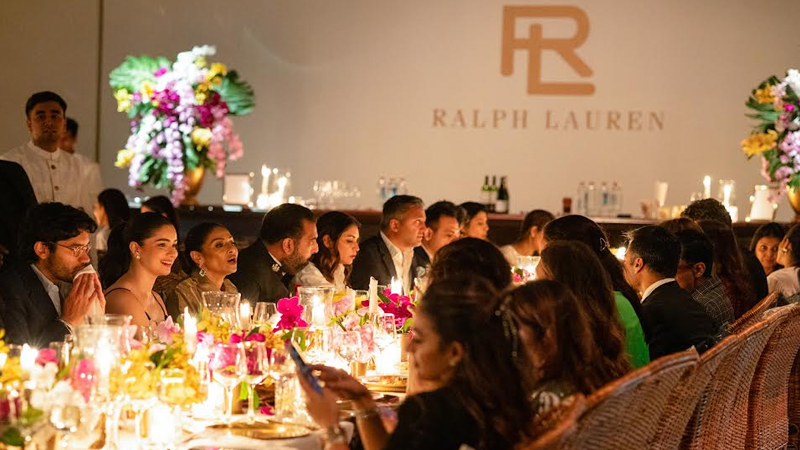
MUMBAI: In a night that shimmered with understated luxury, White, the creative powerhouse known for its culture-first storytelling, transformed Mumbai’s Nilaya Anthology into an immersive Ralph Lauren festive experience on 23 September 2025. The soirée, hosted by Kalyani Chawla, was a masterclass in elegance, emotion, and experiential design.
Bringing together the city’s crème de la crème, from Mira Rajput and Sara Tendulkar to Shanaya Kapoor, the evening unfolded like a perfectly tailored Ralph Lauren moment: timeless, polished, and quietly spectacular. Guests were treated to live tunes by Copycats, celestial insights from astrologer Zohra Shakti, and a decadent three-course dinner curated by chef Rijul from Indian Accent.
Every detail sang Ralph Lauren, from the glow of hand-crafted paper lamps to bespoke furniture and intricately carved candleholders, all woven into a tapestry of refined indulgence. It wasn’t just décor; it was design poetry.

“Experiences have the power to shape how brands are remembered,” said White founder and CEO Vishesh Sahni. “This evening wasn’t just an event, it was a living narrative of Ralph Lauren’s timeless elegance, brought to life with intention and artistry.”
For White, the night marked more than another luxe collaboration. It was a statement that storytelling isn’t confined to screens or campaigns, but can be lived, felt, and remembered. With this soirée, the agency once again proved its flair for crafting cultural moments that sparkle long after the last candle burns out.





MAM
Ameya Velankar steps down as Uber’s head of marketing for India & South Asia
Veteran marketer exits after more than seven years with the ride-hailing giant.
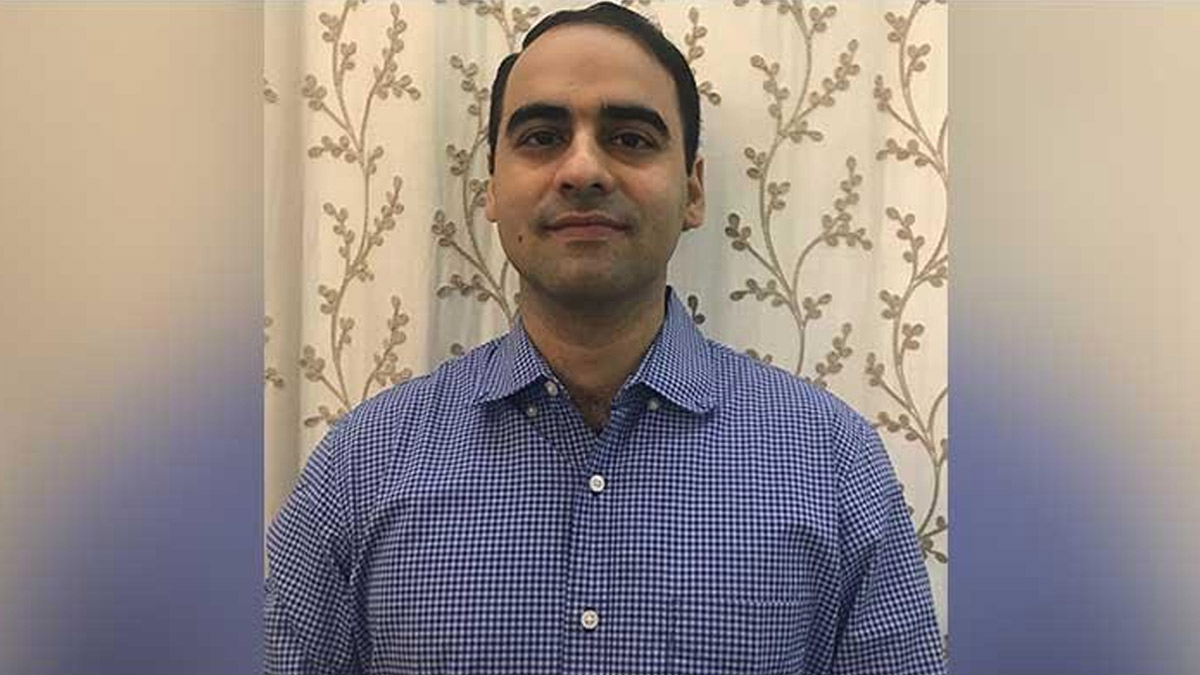
MUMBAI: After more than seven years of steering Uber through the bumpy roads of India’s mobility market, Ameya Velankar has decided to change lanes. Ameya Velankar has stepped down as Head of Marketing for India and South Asia, marking the end of a significant chapter at the ride-hailing company. He had been with Uber since 2019, taking on multiple roles in product and category marketing before rising to lead the marketing function for the region in 2021.
During his tenure, Velankar played a key role in strengthening Uber’s positioning in one of its most competitive and dynamic markets. He helped drive localised marketing strategies and scale adoption across key offerings such as Auto, Moto, Rentals and Intercity, tailoring global platforms to Indian consumer needs.
Prior to joining Uber, Velankar built his marketing expertise at leading consumer companies including SC Johnson and Marico, where he handled category and product leadership roles. His career began at RPG Enterprises.
Details of his next professional move have not been disclosed.
In a fast-evolving mobility landscape where brands constantly battle for attention, Ameya Velankar helped Uber stay relevant and resonant with millions of Indian users. As he moves on from the driver’s seat of marketing, the company will now look for fresh ideas to keep its wheels turning smoothly.






